

FORMULA 1 JAPANESE GRAND PRIX
Late March · Suzuka, Mie Prefecture · Three Days · Since 1962
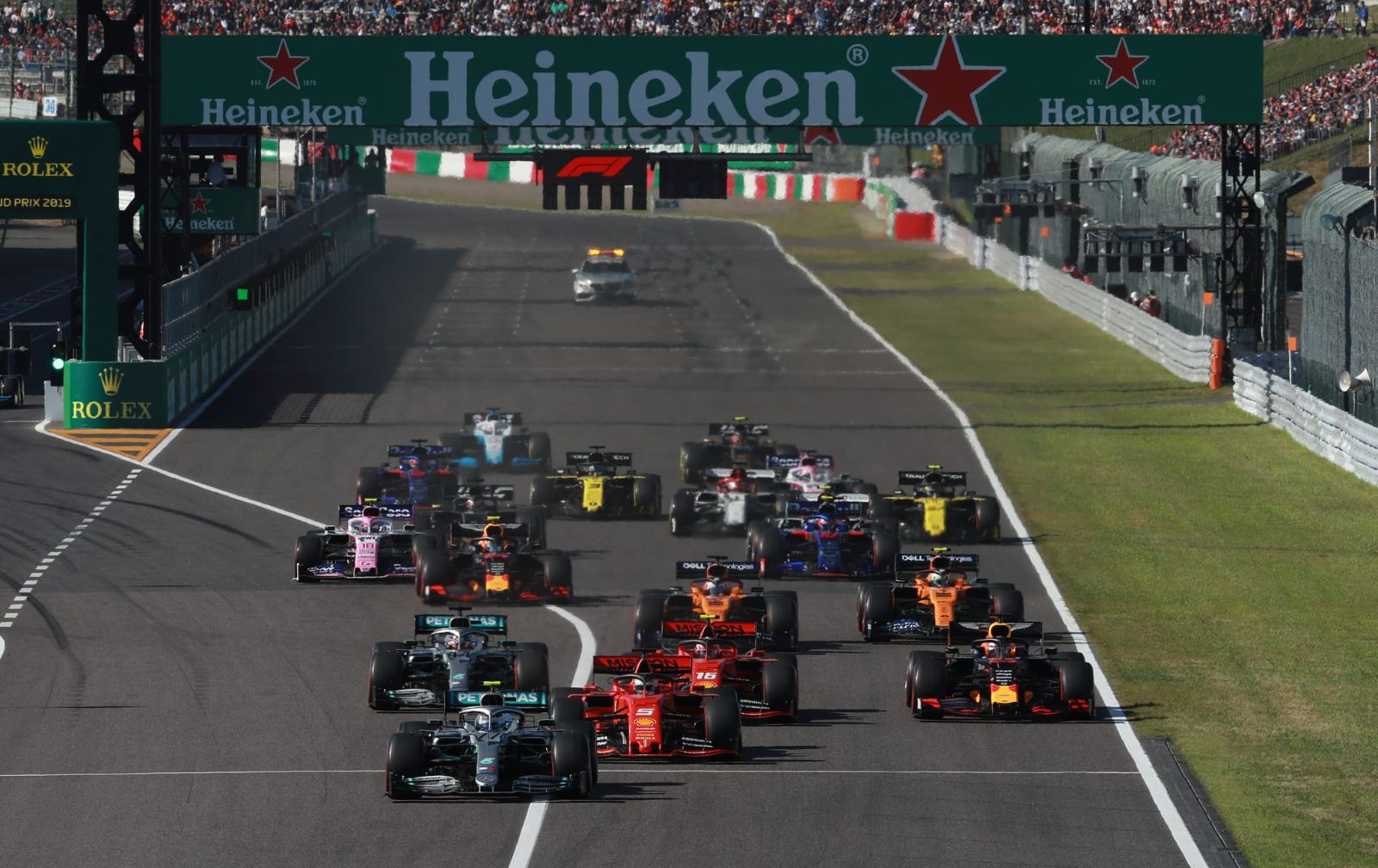
The Japanese Grand Prix is run at Suzuka, on the circuit drivers name more often than any other when asked which one they would choose.
It was built as a test track for a car company, it has a big wheel beside the main straight, and it is the only figure-of-eight circuit in Formula One.
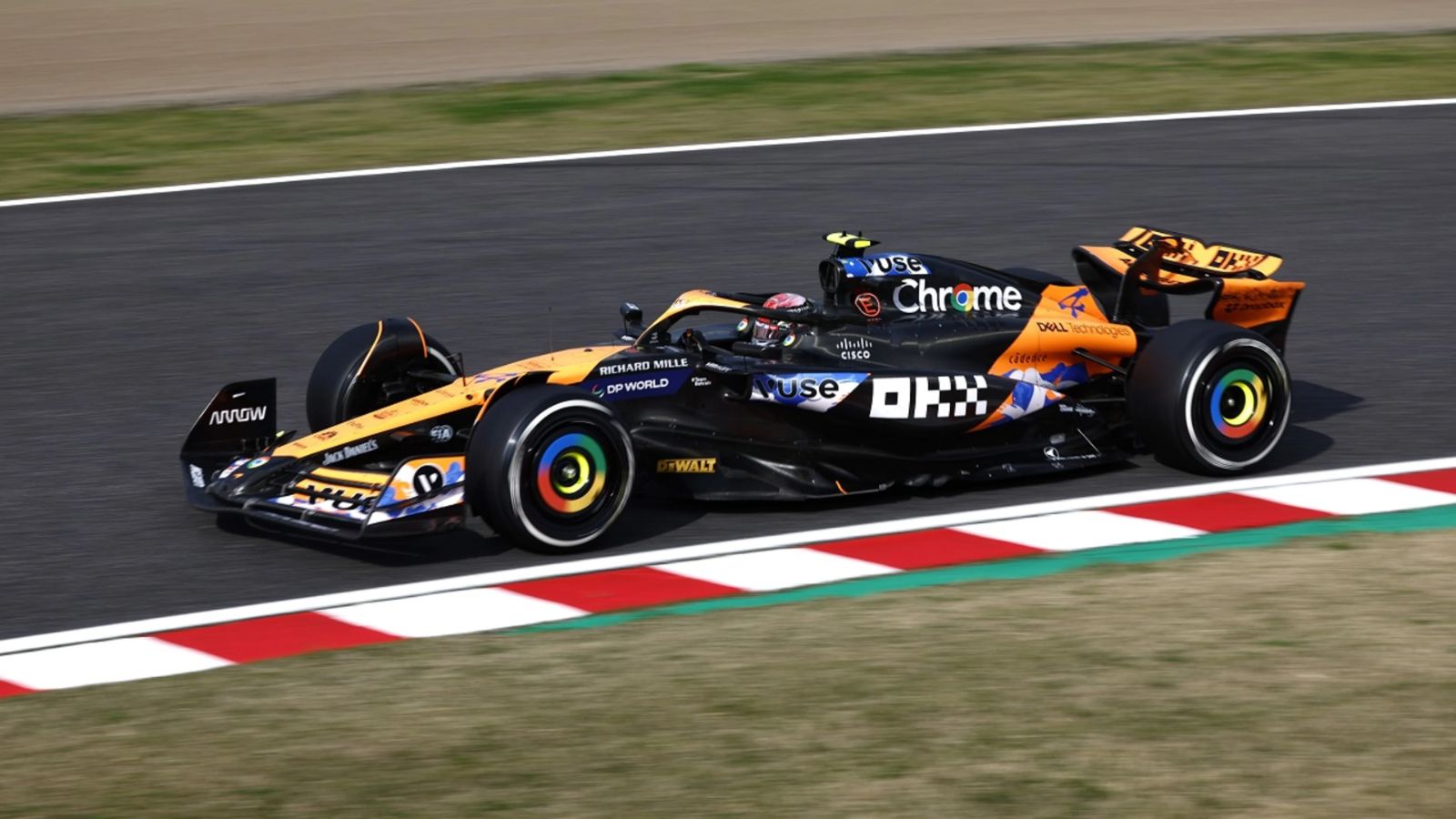
The Test Track
Soichiro Honda held a view his industry took some time to accept: without racing, cars will not improve. In the late fifties he decided his company needed a circuit of its own, and in 1961 he broke ground on one in Mie prefecture.
He hired a Dutchman. John Hugenholtz had worked on Zandvoort and would go on to Jarama and Zolder, and what he delivered at Suzuka was not what anybody expected.
The problem he set himself was balance. A circuit that turns mostly one way tires a driver unevenly and teaches a car nothing about the other direction, which is no use at all in a test track. His answer was to make the lap cross over itself, so the back section passes beneath the front by tunnel and then over it by bridge, and the corners come out at eight lefts to ten rights.
His first drawing had three crossovers. Two were removed before the plans were signed off in early 1962, in the section where the Esses now run.
The circuit opened that September for motorcycles. Formula One did not arrive until 1987, twenty-five years later.
The Two Afternoons
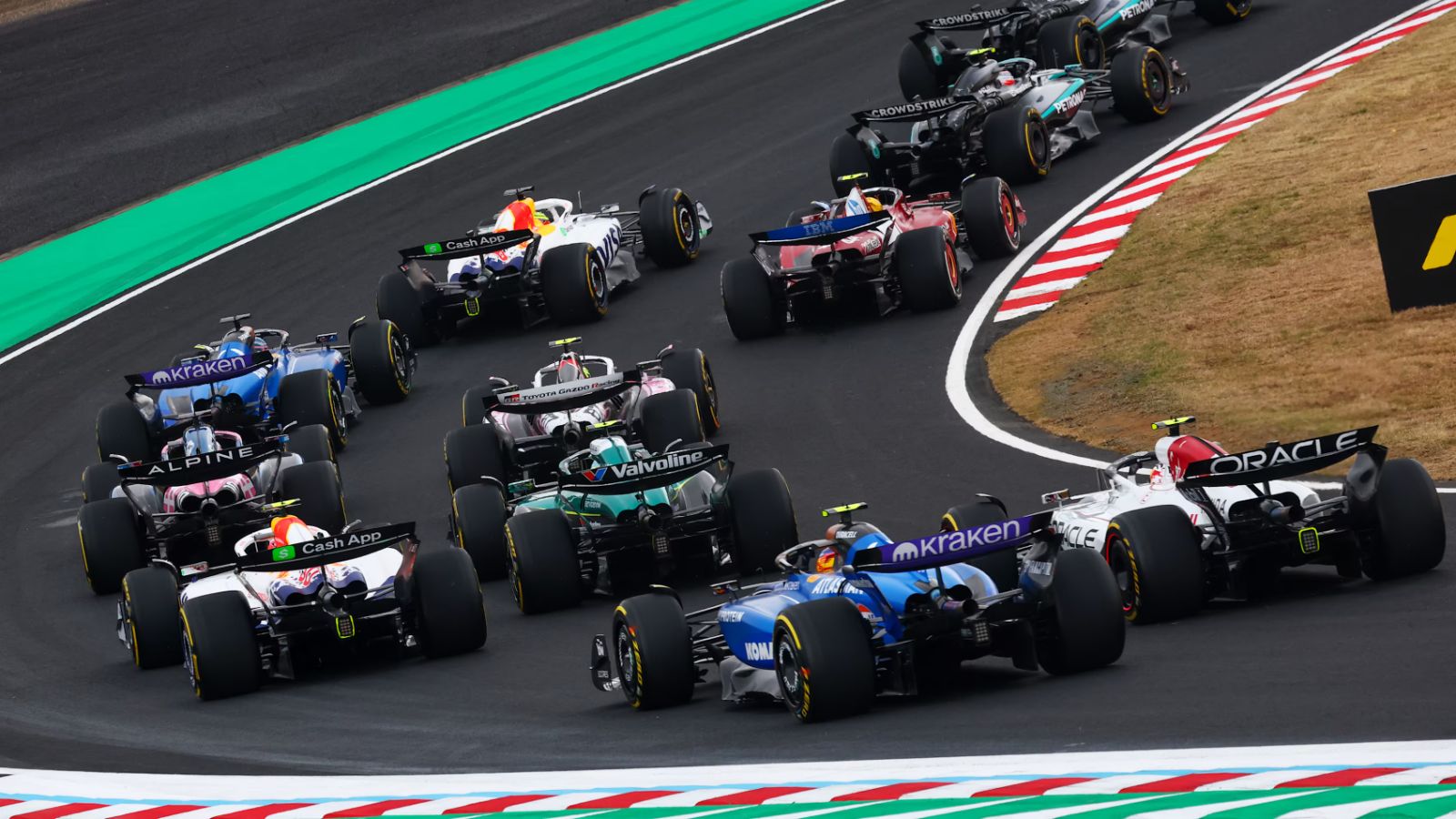
Two world championships were settled here in consecutive years by the same two men hitting each other.
In 1989 Alain Prost and Ayrton Senna were teammates who had stopped speaking. Prost turned in at the chicane, Senna went for the gap, and they came together. Senna rejoined, won the race, was disqualified afterward for how he had rejoined, and Prost took the title.
In 1990 they arrived again with the championship between them. Senna had asked for pole position to be moved to the clean side of the track and had been refused. At the first corner he drove into the back of Prost at something close to two hundred kilometres an hour and both cars left the circuit. The title was Senna’s before either man had climbed out.
Nothing in the sport has been settled quite so bluntly, and both of those were settled here.
What to Know
The Esses, from the third corner to the seventh, are why drivers love it. A car that gets the first one wrong is compromised through all five, and the sequence has to be taken as one thing rather than as corners.
130R is named for its radius in metres. It is taken flat now and was not always.
The circuit is narrow by modern standards and lined with gravel rather than tarmac, so a small mistake beaches a car where elsewhere it would cost a second. That is a large part of why it rewards precision.
It rains, and the undulations send streams across the surface. Wet races here are genuinely dangerous rather than merely slow.
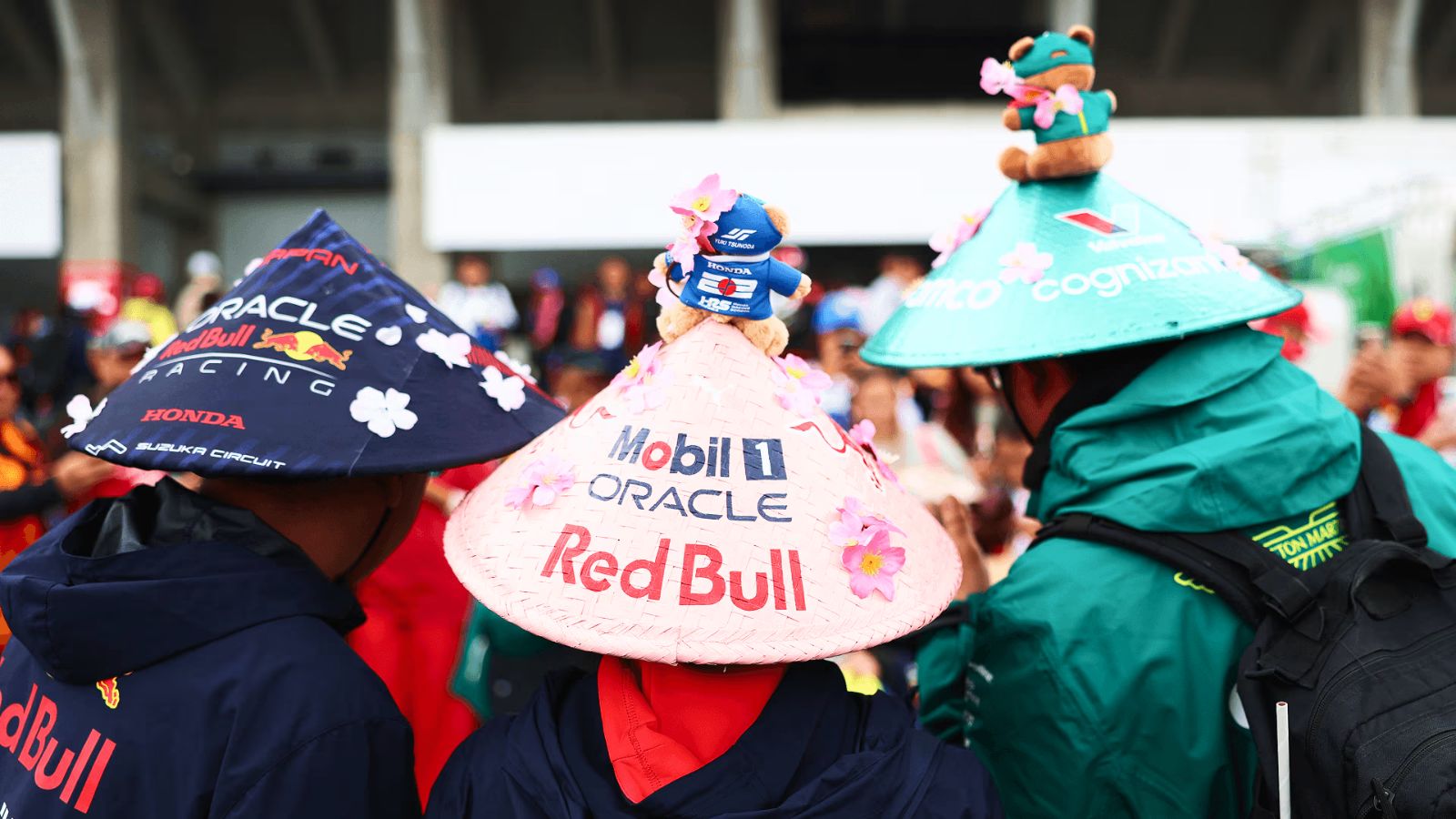
The Japanese crowd is unlike any other: knowledgeable, quiet while cars are running, and given to handmade signs and elaborate costume for particular drivers.
The amusement park attached to the circuit was built by Honda when the place was called Honda Land, and the big wheel turns beside the main straight throughout the race.
The Court
The Japanese Grand Prix is not the Court’s own. Paddock access, grandstand seats and rooms in Nagoya or the towns nearer the circuit are sought on a member’s behalf, and the Court arranges the whole of it: getting there, where to stay, and the table afterward. Suzuka has few rooms of its own and most people stay an hour away.
