

NEW YORK FASHION WEEK
February and September · New York · Eight Days · Since 1943
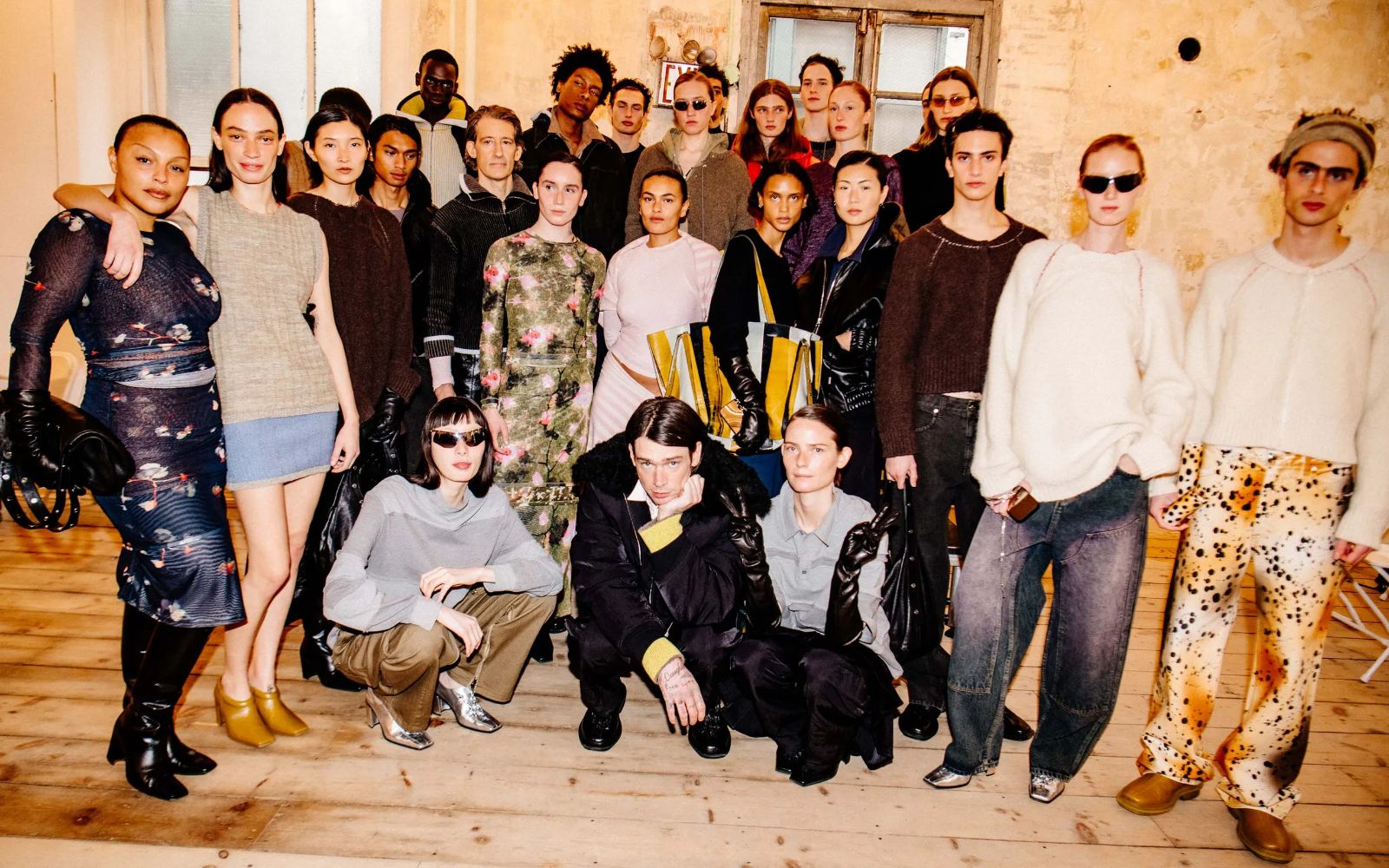
New York Fashion Week shows the autumn collections in February and the spring collections in September. Eight days or so each time, across venues scattered through Manhattan.
It is the oldest fashion week in the world. Paris, Milan and London all came afterward, and all of them copied the format.
The Invention
In 1943 the Germans held Paris and the American fashion press could not get there.
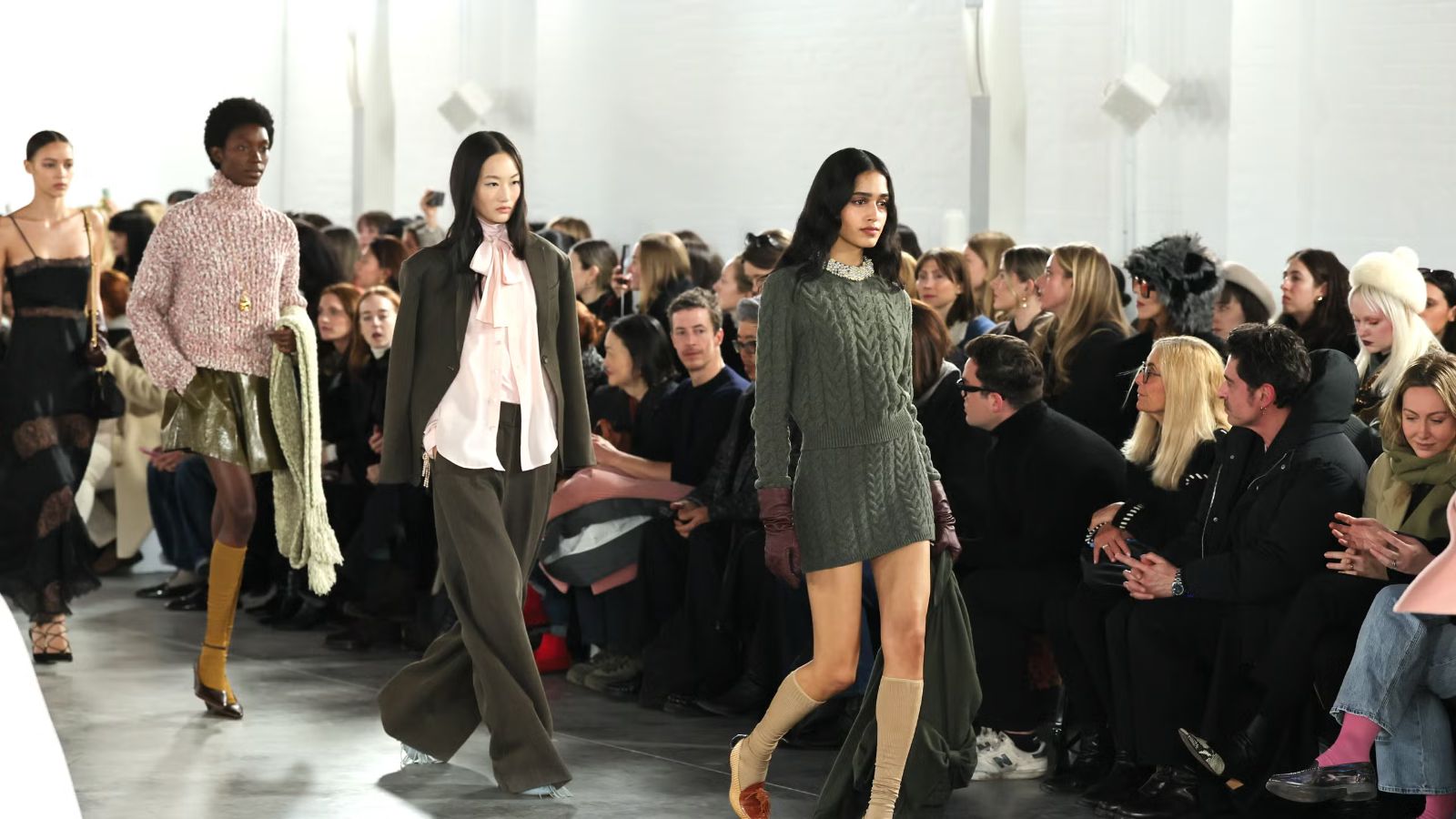
Eleanor Lambert was press director of the New York Dress Institute, an association of garment unions and manufacturers. She understood the absence of Paris as an opening rather than a problem, gathered a showcase of American designers for the national and regional press, and called it Press Week.
It worked at once. Vogue and Harper’s Bazaar, which had filled their pages with French clothes for decades, began printing Americans. Norman Norell and Claire McCardell became names. By the mid-fifties the thing was an institution.
Lambert went on to found the Council of Fashion Designers of America, to create the International Best Dressed List, and to help start the Museum of Modern Art. She made her last public appearance at New York Fashion Week in September 2003 and died a few weeks later, aged one hundred.
The Wandering
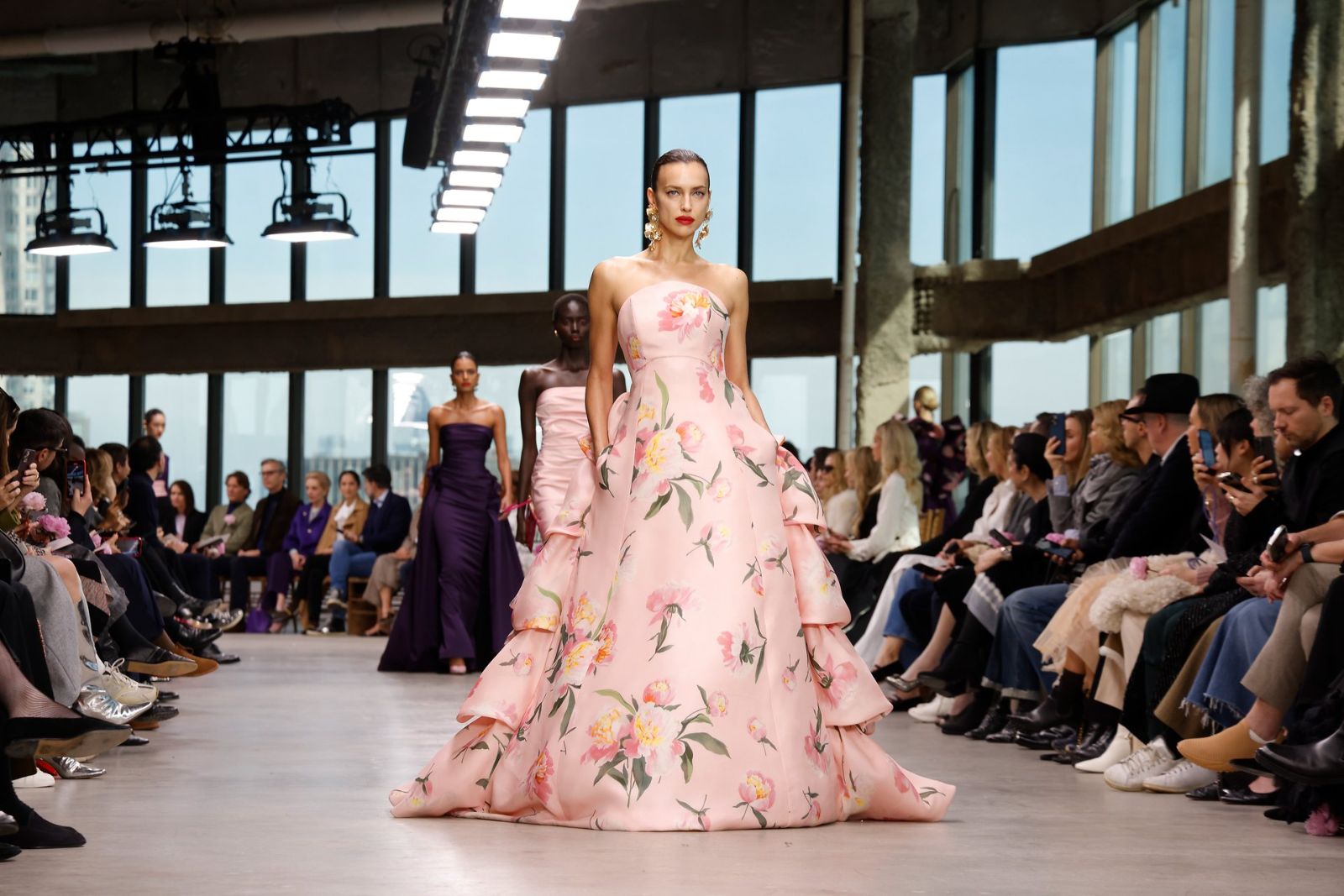
The shows stayed scattered across the city for fifty years. In 1993 the CFDA put them under tents in Bryant Park and called it Seventh on Sixth, after the garment district’s avenue and the park’s.
They moved to Lincoln Center in 2010 and left it in 2015 after a dispute over the use of public parkland. Then Spring Studios. Then Skylight Clarkson Square. Then out across the city again.
Which makes New York the only one of the four great fashion weeks without a fixed address. Paris has its hôtels particuliers, Milan its palazzi, London its institutions. New York has a list of buildings that changes.
What to Know
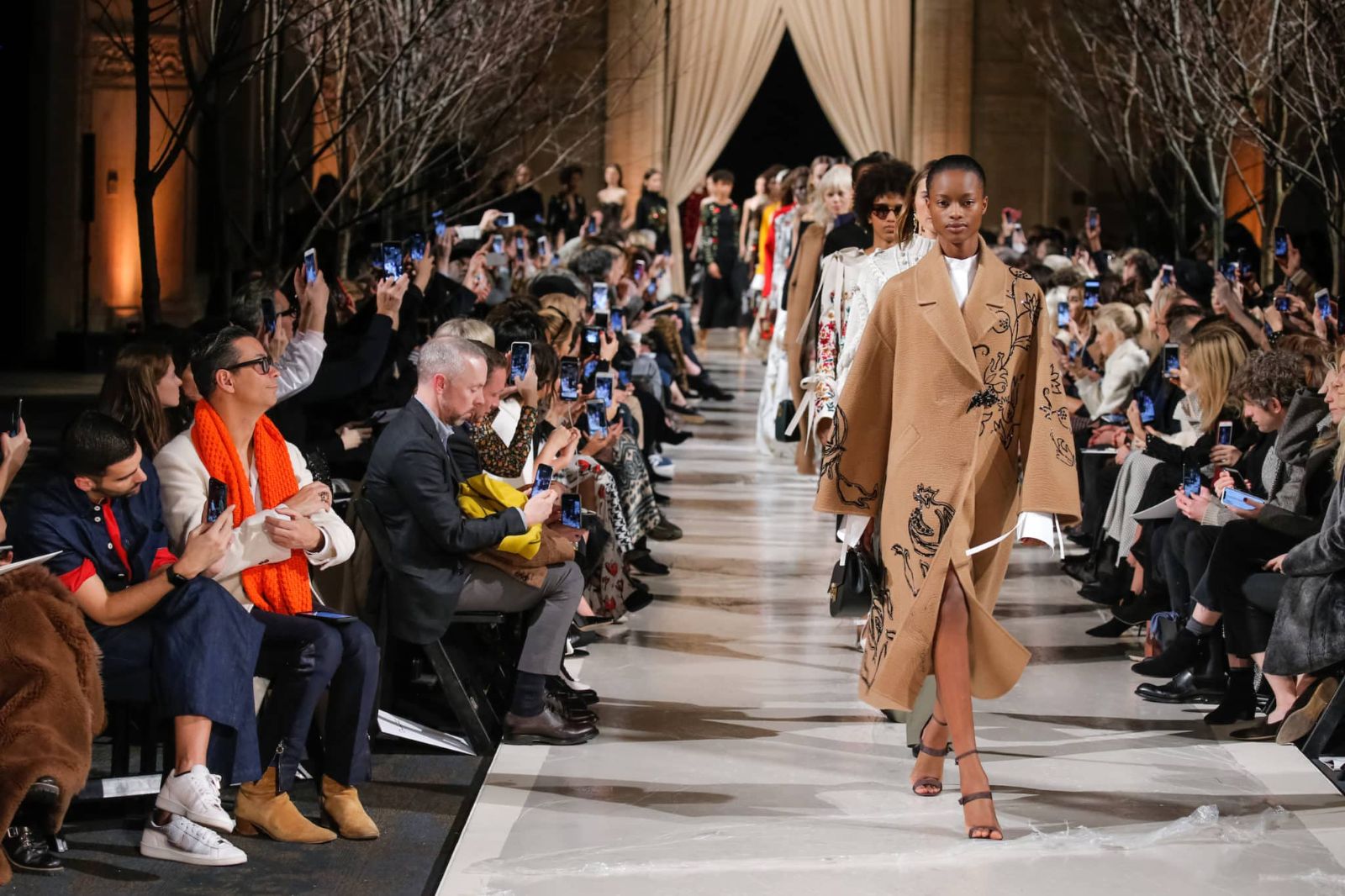
Every seat is given. There are no tickets, and the front rows belong to buyers, editors and the houses’ own clients.
The calendar is kept by the CFDA and descends directly from a printed schedule that Ruth Finley began in the same year as Press Week and ran for seventy years, telephoning houses herself to stop them clashing.
February shows autumn and winter. September shows spring and summer. Both run six months ahead of the clothes reaching a shop.
The week is worth something to the city. The figure usually quoted is close to nine hundred million dollars.
The mistake is thinking the shows are the week. Most of what matters happens at the presentations, the showroom appointments and the dinners, and a good many people who come for fashion week never sit down at a runway at all.
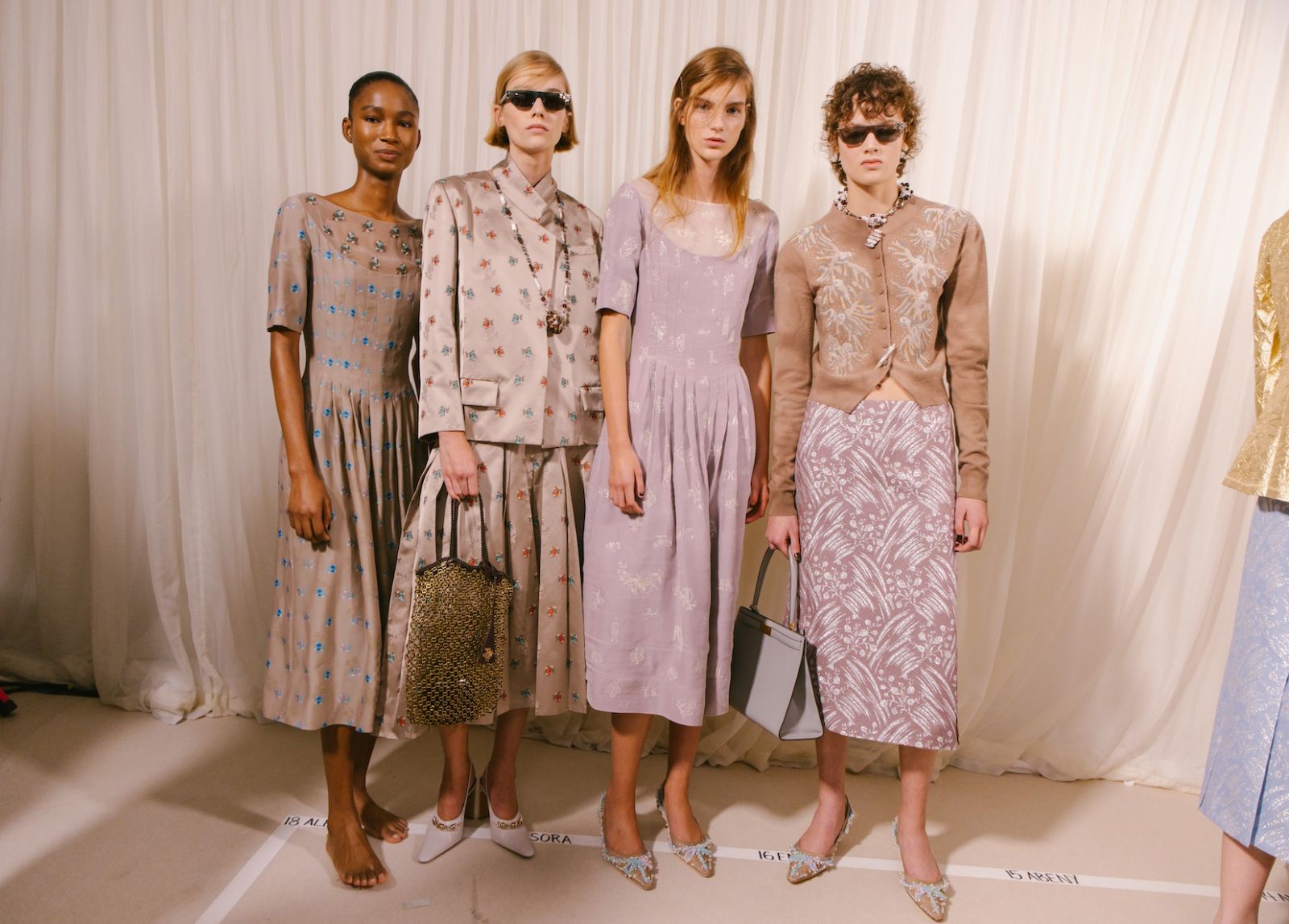
The Court
New York Fashion Week is not the Court’s own, and the Court will not pretend it can seat a member at a show. Those rooms belong to the houses.
What the Court arranges is the week around them: showroom appointments, the presentations that welcome guests, and the tables where the collections are actually discussed. Getting there, where to stay, and the table afterward are sought on a member’s behalf as usual.
