

PARIS FASHION WEEK
February and September · Paris · Nine Days · Since 1973
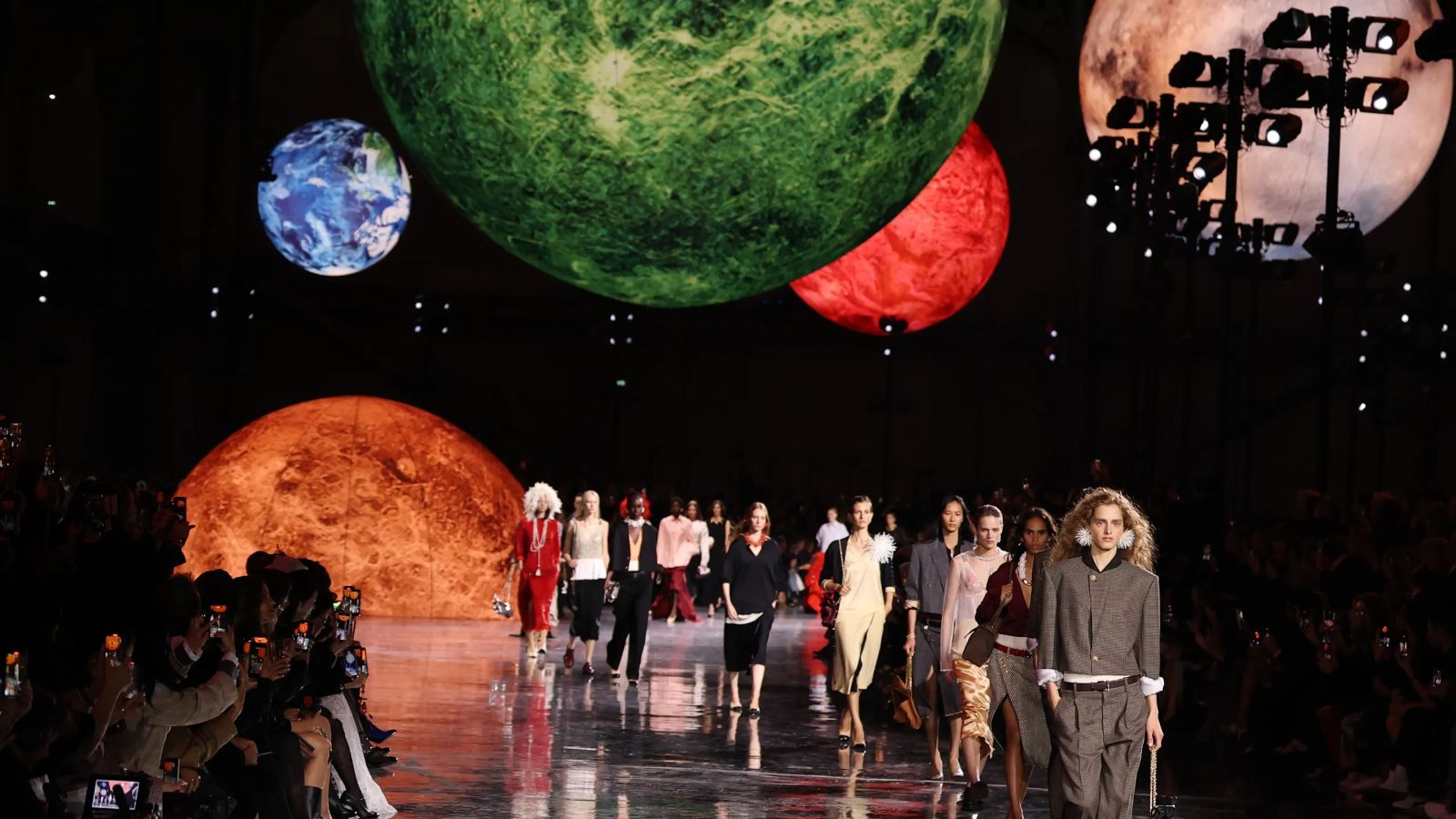
Paris Fashion Week shows last, at the end of February and again at the end of September, and it is the week the other three are arranged around. Some seventy-five runway shows and thirty presentations.
Every seat is given. There are no tickets.
The Battle
Paris had been the capital of fashion since Charles Frederick Worth opened a house there in the 1850s, and by 1973 nobody in Paris thought the matter was open.
That November the Palace of Versailles needed sixty million dollars of repairs the French government would not pay for. An American publicist named Eleanor Lambert proposed a fundraiser: five French houses against five American ones, on one stage, in front of seven hundred people.
Lambert had invented New York Fashion Week thirty years earlier, when Paris was occupied and the American press could not travel. The French side was organised by Marie-Hélène de Rothschild, who secured the president’s approval.
France fielded Saint Laurent, Givenchy, Ungaro, Cardin and Dior. America fielded de la Renta, Halston, Blass, Anne Klein and Stephen Burrows, all of them Lambert’s clients and most of them regarded in Paris as makers of sportswear.
The French spent about thirty thousand dollars each on stage sets. The American scenery arrived and did not fit the stage. They went on with recorded music, pools of light and the choreography they had, and they brought ten Black models, which that room had not seen before.
They took the evening. Women’s Wear Daily put it on the front page: the Americans came, they sewed, they conquered.
The head of the Chambre Syndicale later said that Versailles began the internationalisation of Paris. It is the night the city stopped being French fashion and started being world fashion, and Paris has been the stronger for it since.
The Position
The first formal Paris Fashion Week was held in October 1973, weeks before Versailles, when the federation grouped couture, ready-to-wear and menswear into a single organised showing for the first time.
Paris shows last of the four by design. New York, then London, then Milan, then Paris. Which means the Paris collections are seen against everything already shown, and a house that intends to say something about the season must say it here or not at all.
The body that runs it is the same one that governs couture, and it was founded in 1868. It has been deciding who shows in Paris for a hundred and fifty years.
What to Know
February shows autumn and winter. Late September into October shows spring and summer.
The calendar is published a few weeks ahead and not before.
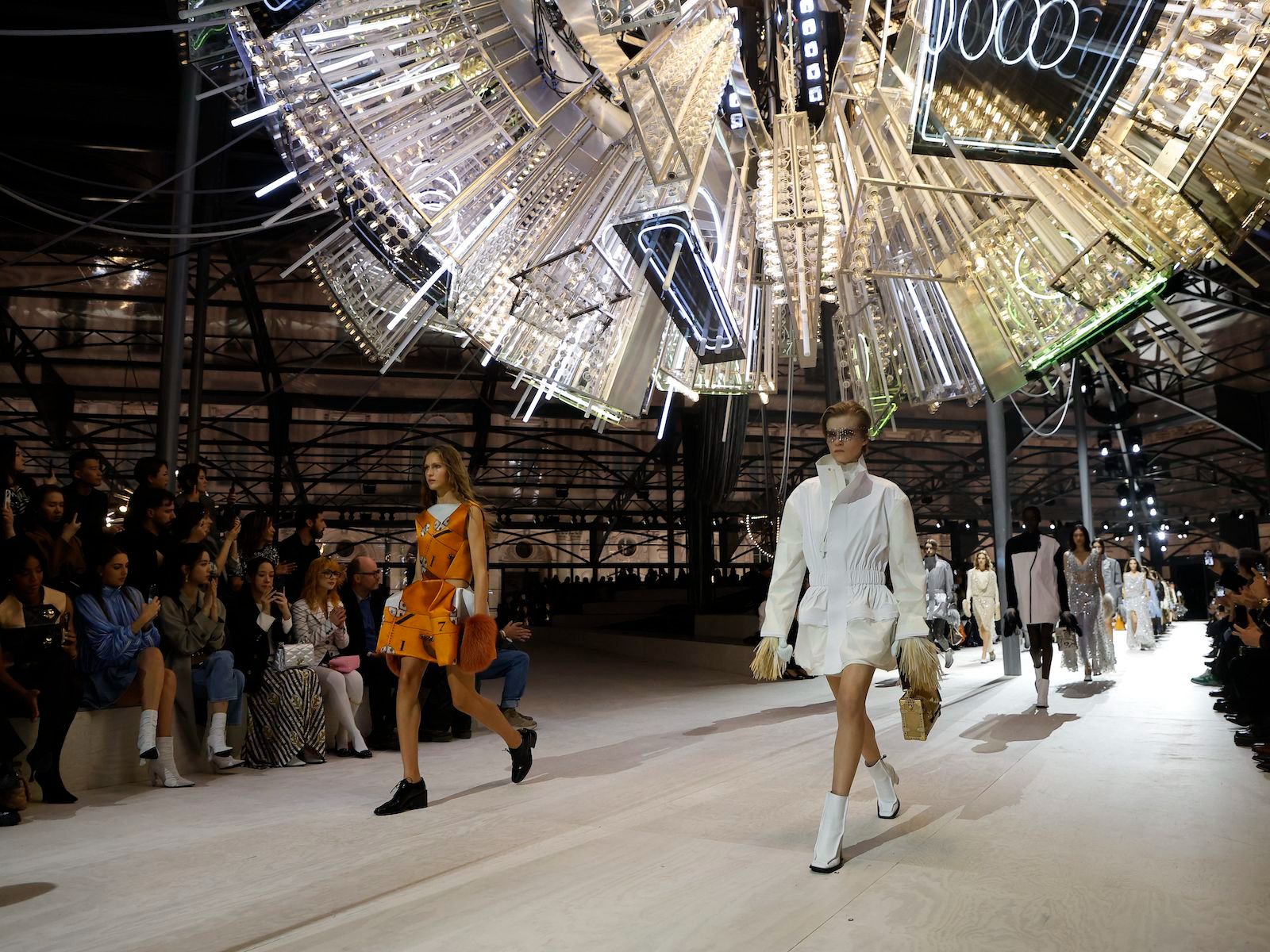
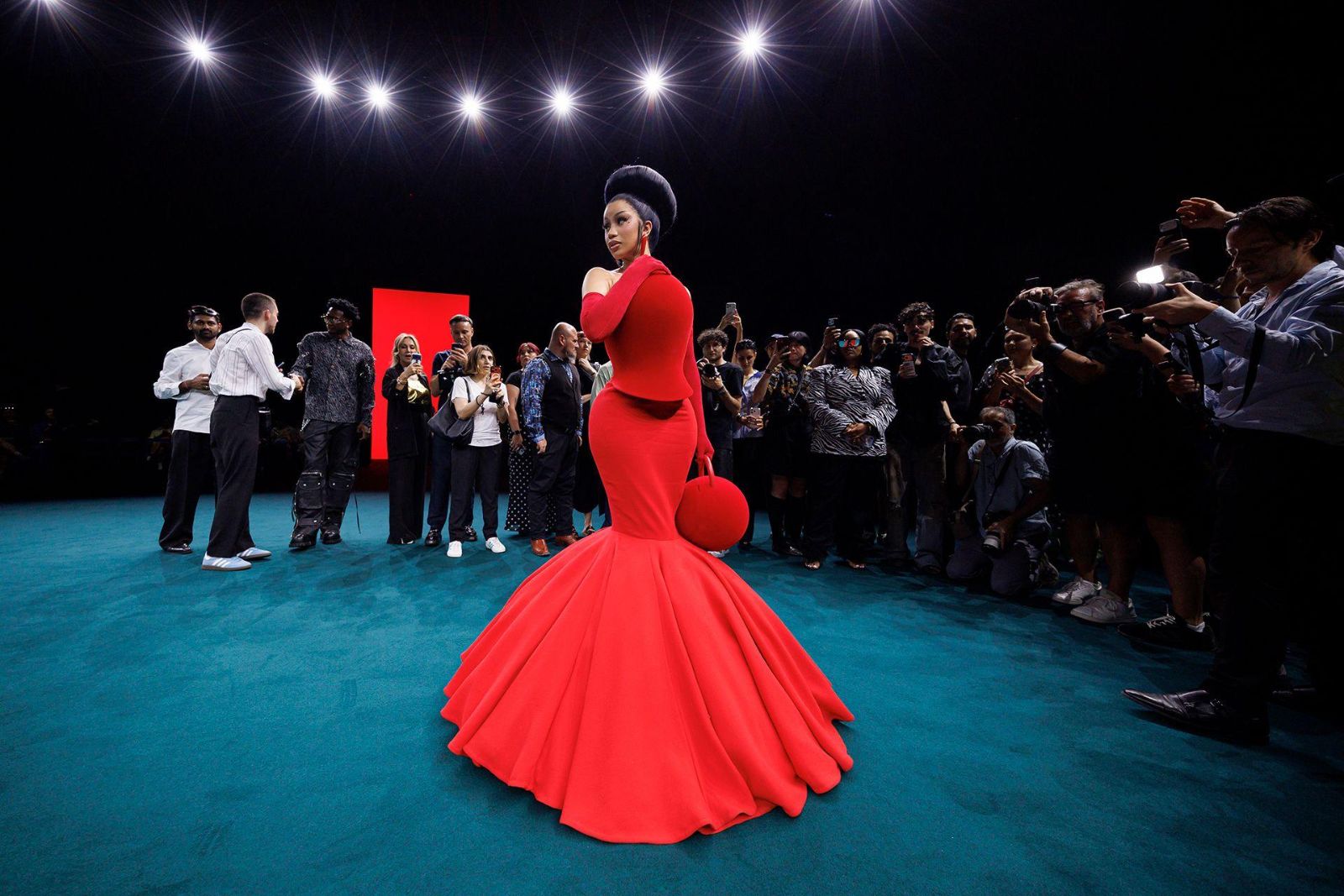
Shows are held in the Louvre, the Grand Palais, hôtels particuliers, museums, and occasionally somewhere nobody expects. The venue is a statement and is read as one.
Nine days is long. Nobody sees everything and nobody attempts it.
The mistake is calling Paris the most commercial of the four. It is the most consequential, which is a different thing. Milan sells more. Paris decides what selling will look like in eighteen months.
The Court
Paris Fashion Week is not the Court’s own, and the Court will not pretend it can seat a member at a show. Those rooms belong to the houses.
What the Court arranges is the week around them: showroom appointments, the presentations that welcome guests, and the tables where the collections are argued over. Getting there, where to stay, and the table afterward are sought on a member’s behalf as usual.
