

TEFAF MAASTRICHT
March · MECC Maastricht · Ten Days · Since 1988
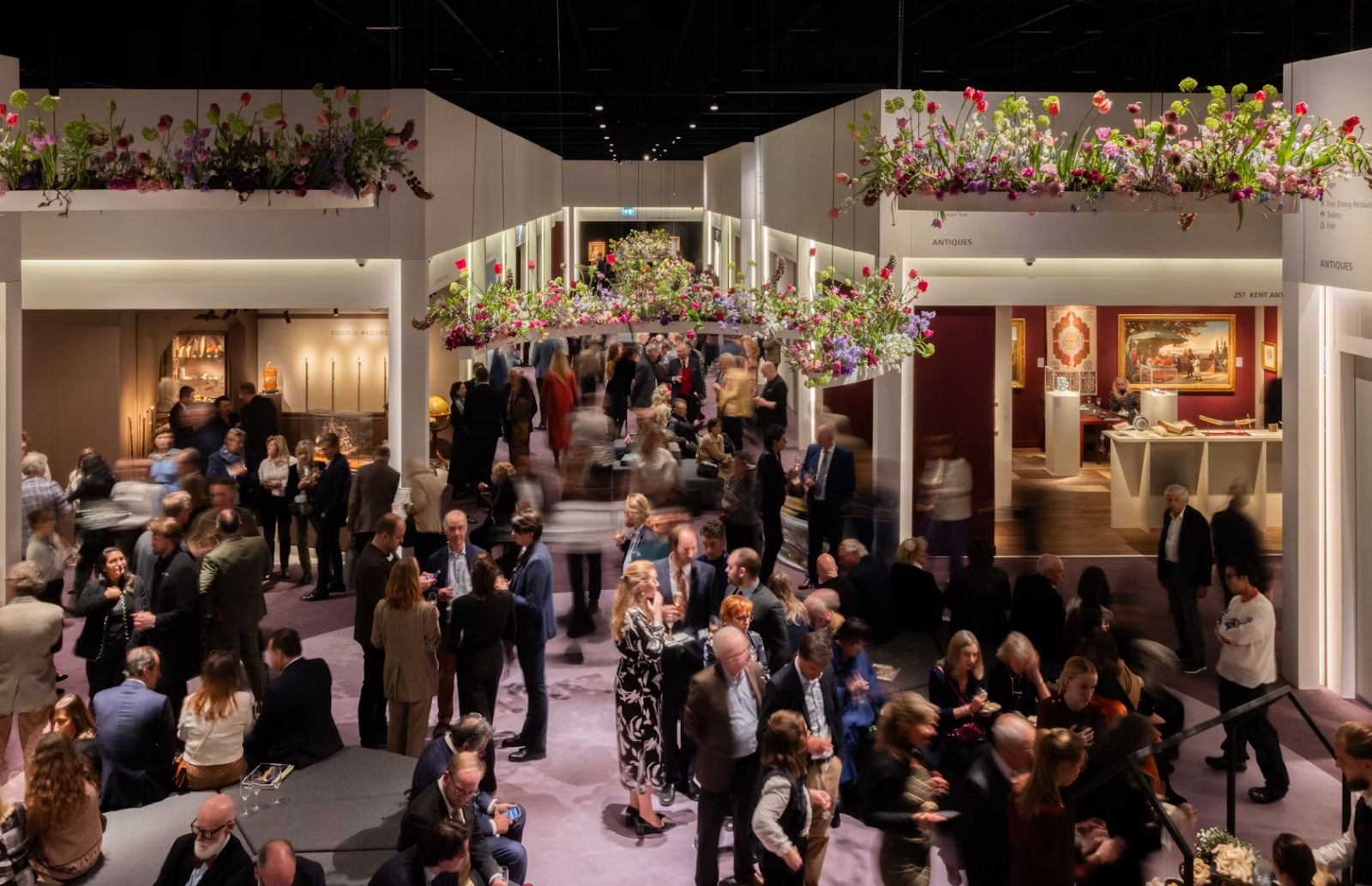
TEFAF Maastricht is ten days in March and the most rigorously examined art fair in the world. Some two hundred and seventy dealers from twenty countries, showing seven thousand years of art history under one roof.
It is held in a town of a hundred and twenty thousand people in the far south of the Netherlands, and that is not an accident.
The Merger
Two fairs came first. Pictura opened at the Eurohal in Maastricht in 1975, the first international fine art fair in the Netherlands, with twenty-eight dealers showing medieval sculpture and old masters. Antiqua followed in 1978 and became De Antiquairs International in 1982.
They merged in 1985 and became TEFAF in 1988 with ninety-seven exhibitors. The present name was adopted in 1996, the year a Rembrandt portrait sold on the floor for nearly five million dollars.
The structure is the part worth understanding. The fair is organised by the dealers themselves, under a non-profit foundation, rather than by a company that rents them space. That is why the standards are what they are. The people setting them are the people who have to meet them.
As for the location, Maastricht sits in a thin strip of the Netherlands between Belgium and Germany, closer to Brussels, Cologne and Düsseldorf than to Amsterdam. A collector in Antwerp, Paris or the Ruhr can drive to it. That was the whole idea.
The Vetting
Before the doors open, the dealers leave the floor.
Twenty-nine specialist committees, drawn from something approaching two hundred experts, go through every object on every stand. They check attribution, date, condition and restoration, and they bring equipment with them: ultraviolet light, X-ray, and dendrochronology where a panel painting needs its wood dated.
Anything that fails is removed. Not relabelled, not discounted. Taken off the stand and out of the building, and the dealer has no appeal.
The effect is that a buyer at Maastricht is buying something that has already survived the scrutiny of the people best placed to doubt it. That is a different proposition from an auction, where the catalogue is an opinion, and from most fairs, where the stand is the dealer’s word.
What to Know
The fair opens with an early access day, and that is when the museums buy. Curators from the Rijksmuseum, the Met and the Louvre walk the floor with acquisition budgets, and a good number of the best things are gone by the afternoon.
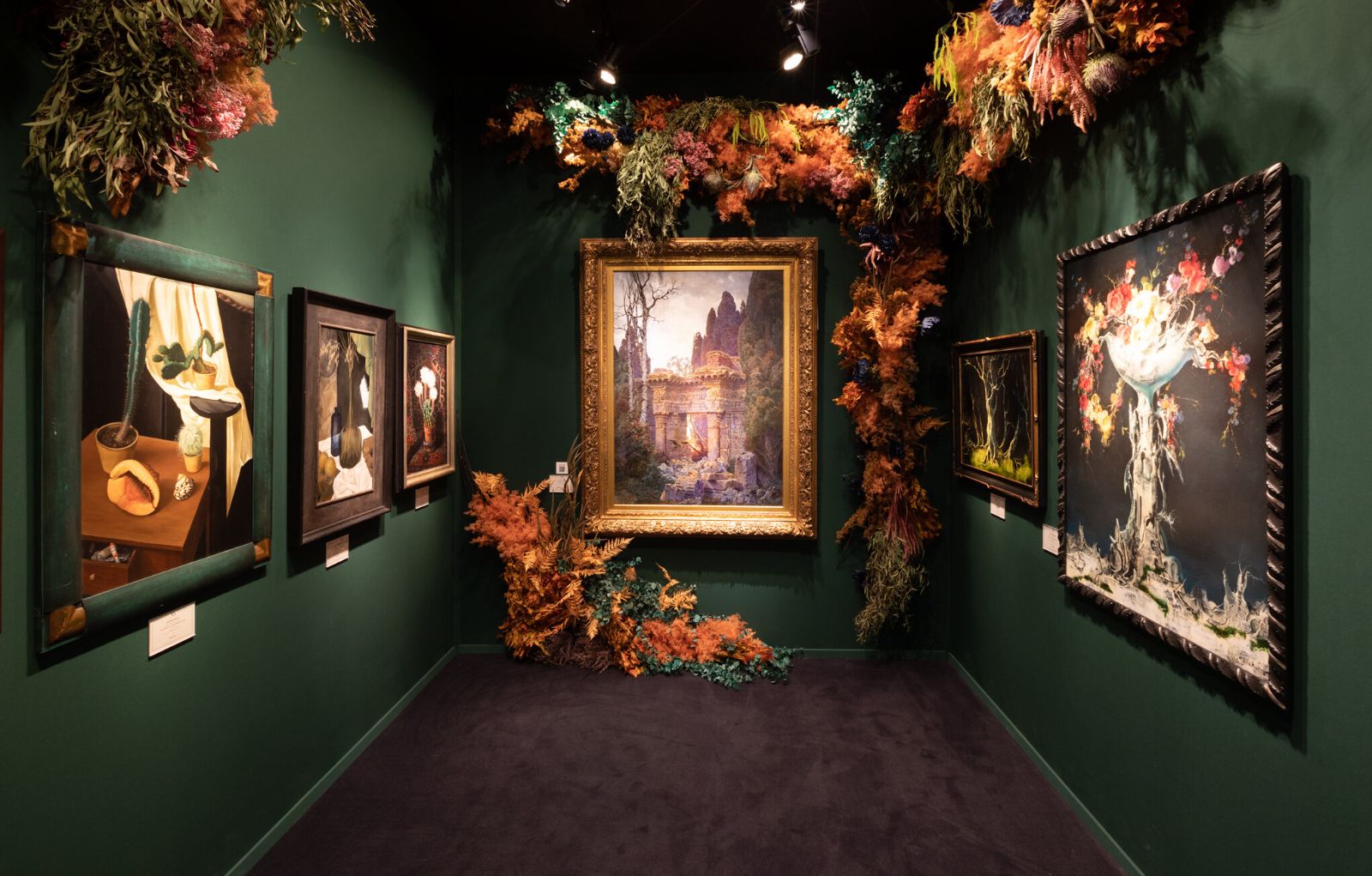
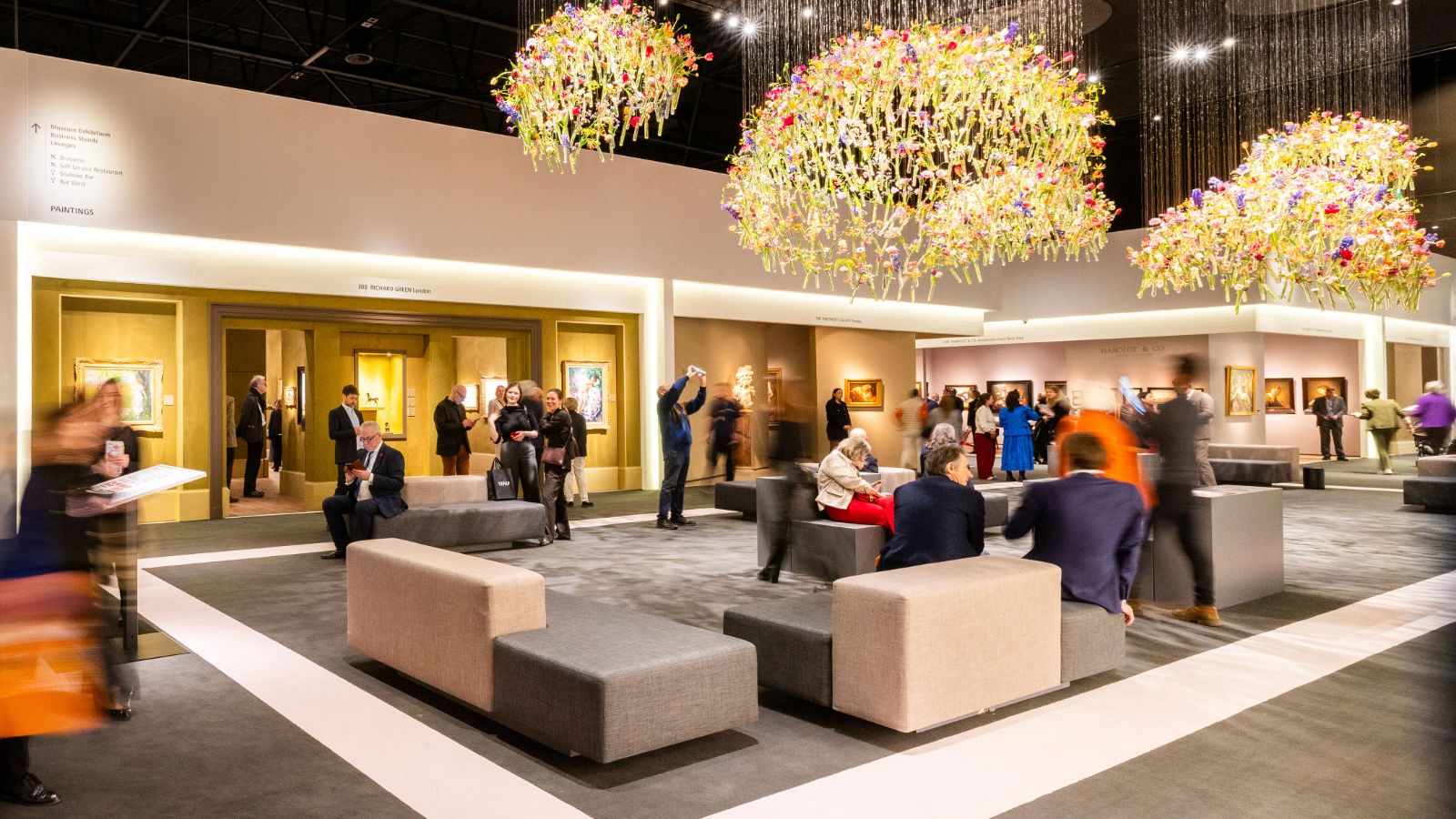
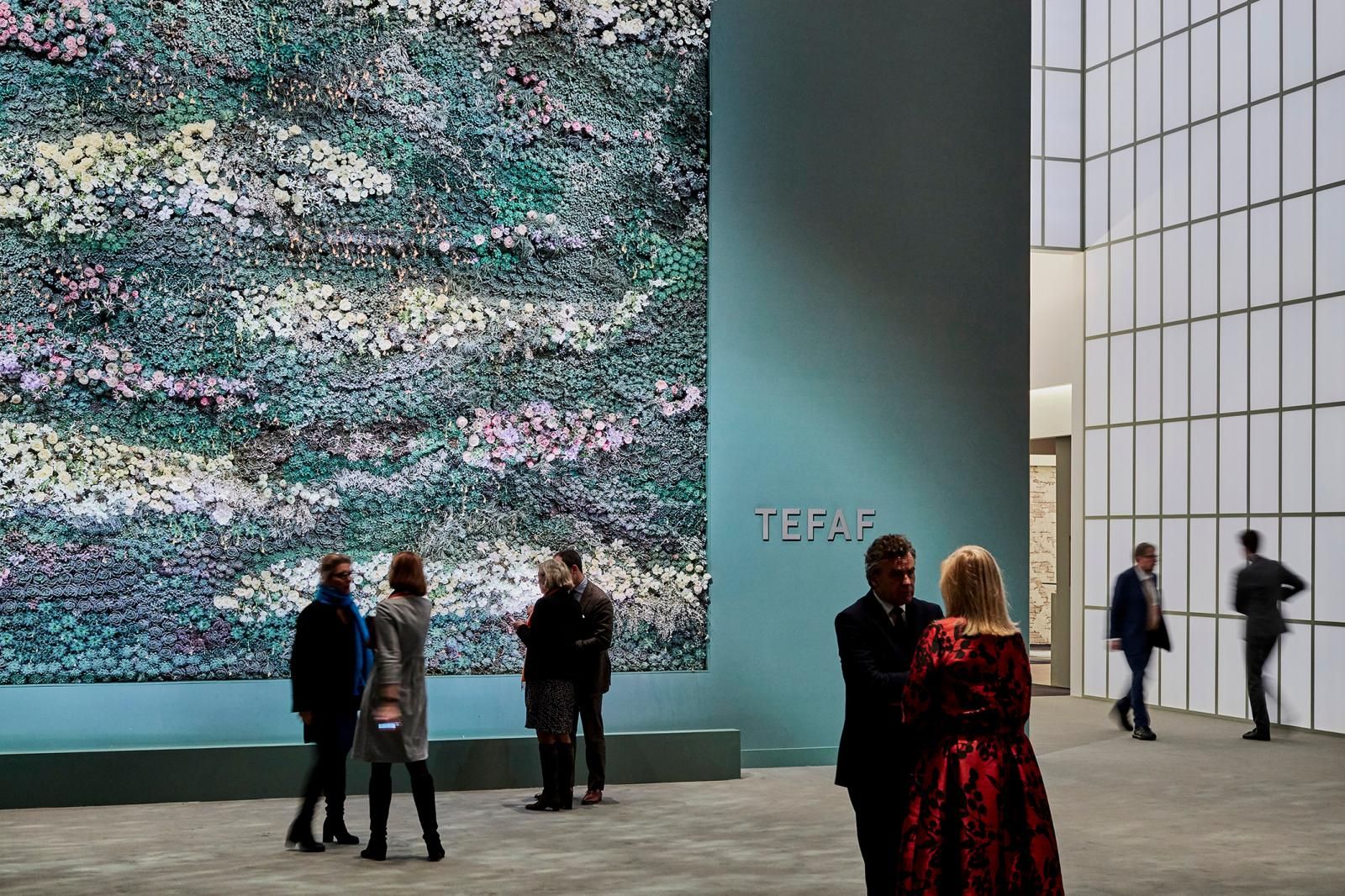
The flowers are not decoration in the ordinary sense. Maastricht in March is tulip season, and the aisles are staged on a scale nobody else attempts: walls of flowers at the entrance, chandeliers of them hung over the paintings. It is the first thing anybody mentions afterward.
Ten days is long and the fair does not thin out. The second weekend is quieter than the first and the dealers have more time.
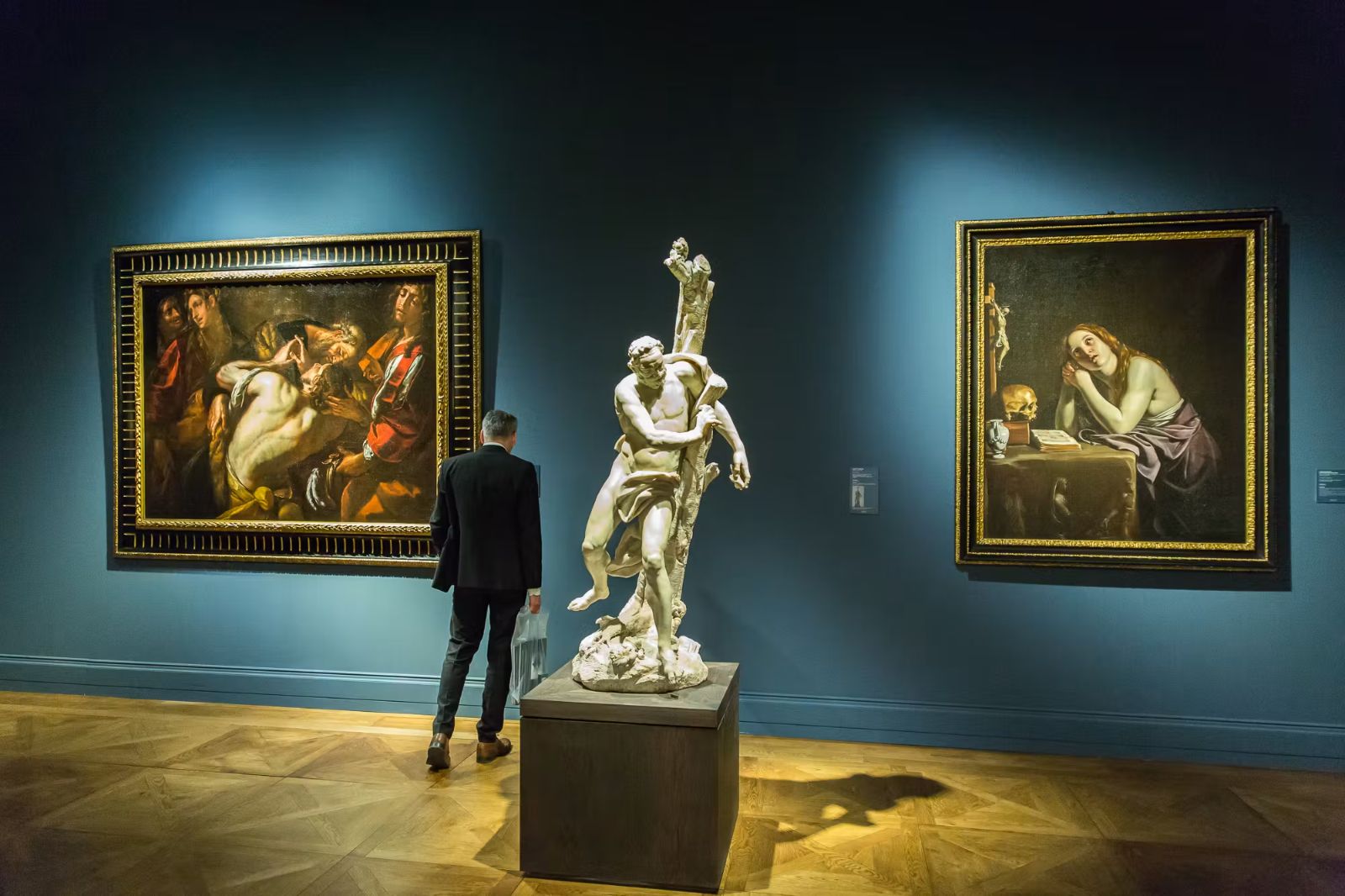
The range is the point. A Roman bronze, a Rembrandt drawing, a Cartier bracelet and a Rietveld chair within fifty metres of one another. Most visitors arrive meaning to look at one category and leave having spent three hours in another.
Maastricht fills entirely for the fair. A good number of people stay in Liège or Aachen and drive.
The Court
TEFAF Maastricht is not the Court’s own. Early access, introductions to particular dealers and rooms in a town with too few of them are sought on a member’s behalf, and the Court arranges the whole of it: getting there, where to stay, and the table afterward. The Court’s own Acquisition each April is decided by members who have spent March looking properly.
