

THE BERLINALE
February · Berlinale Palast, Berlin · Ten Days · Since 1951
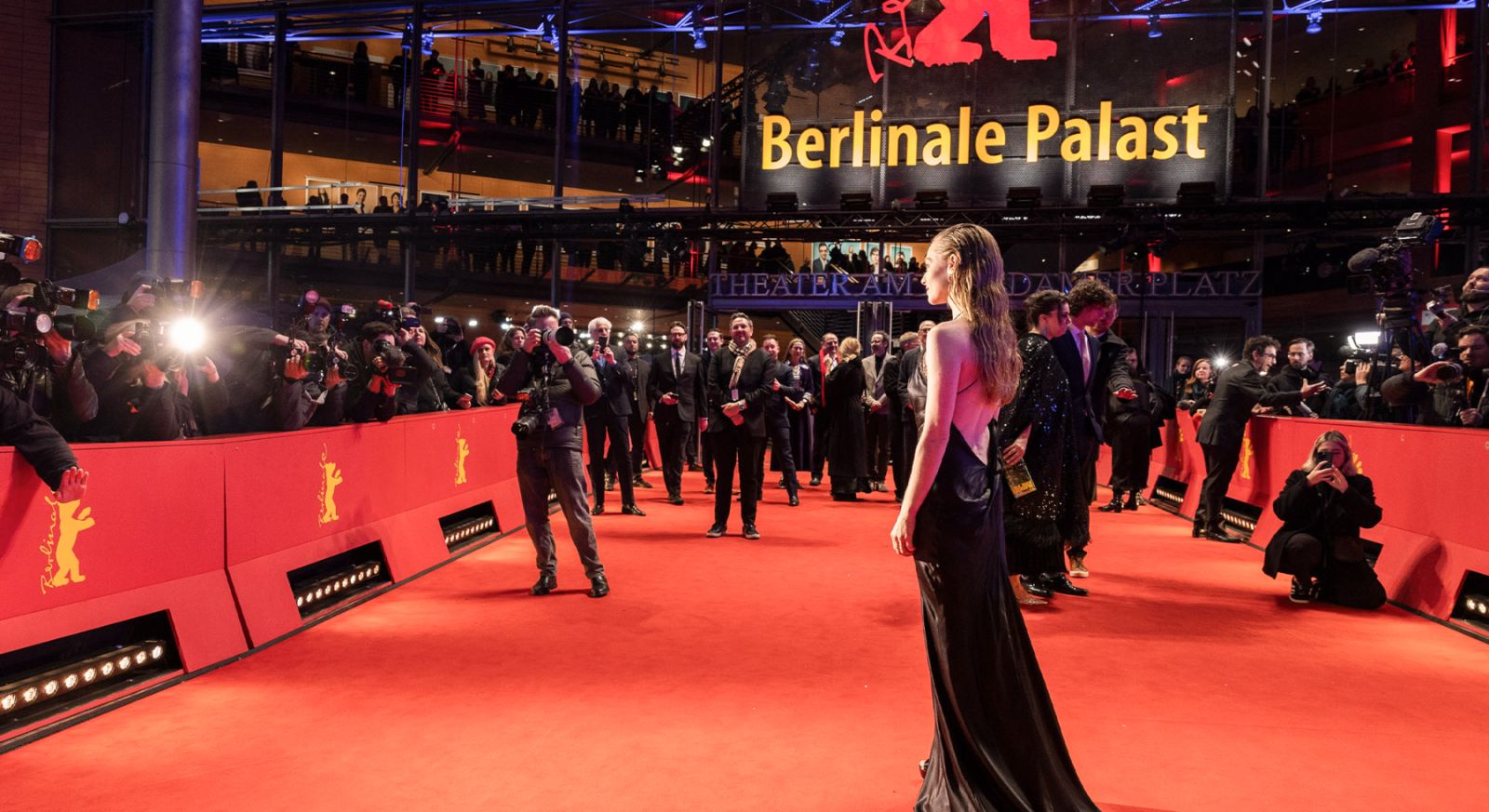
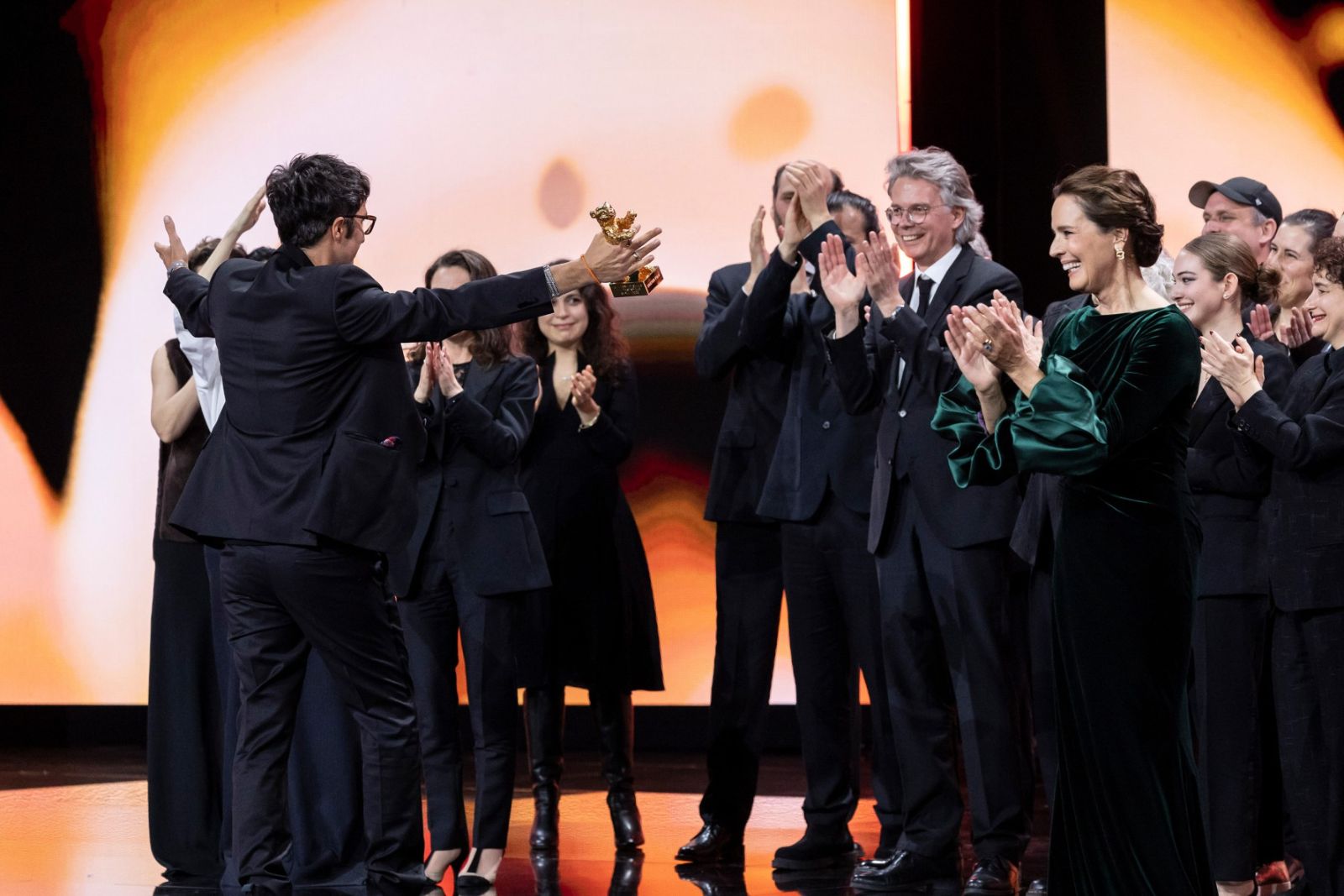
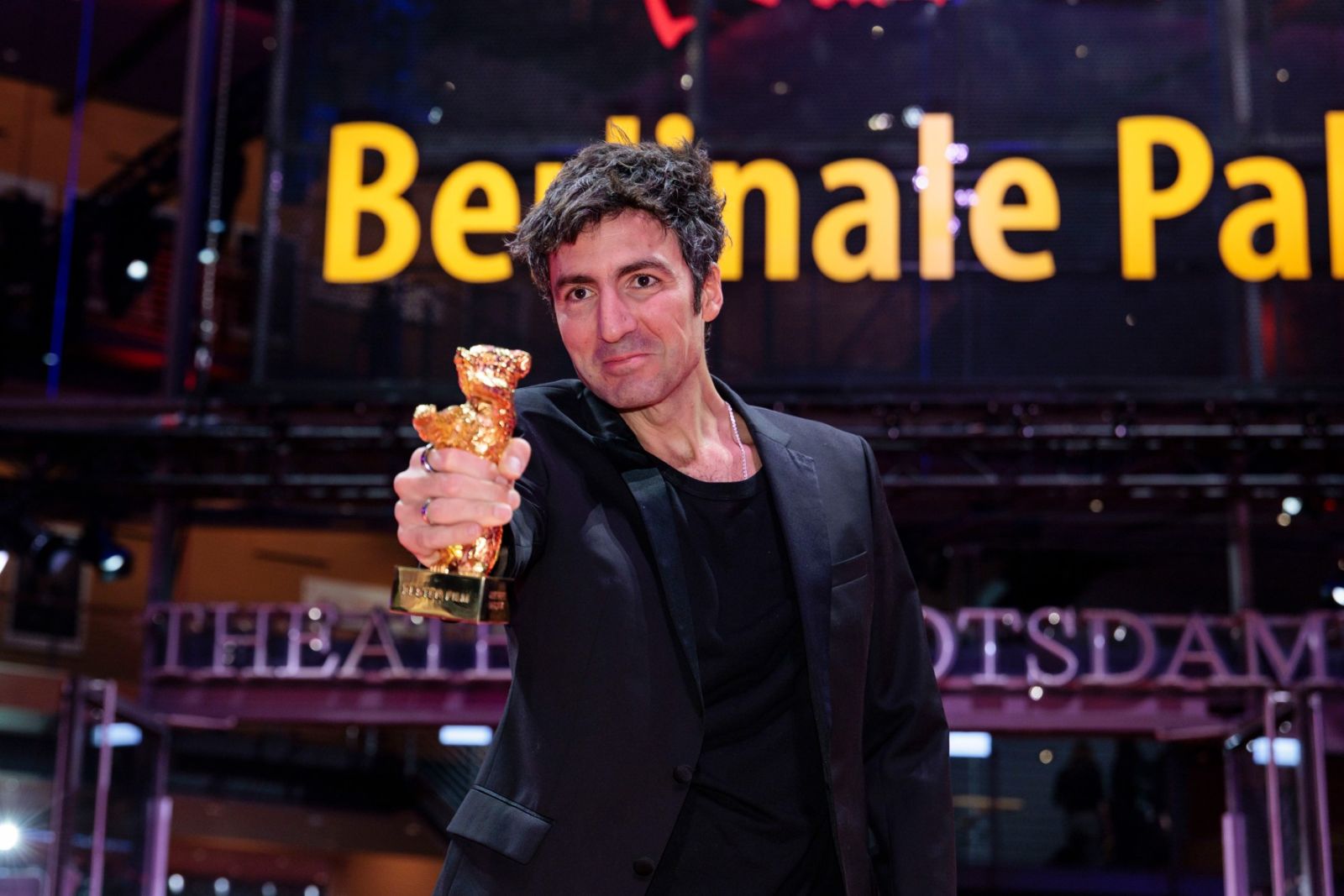
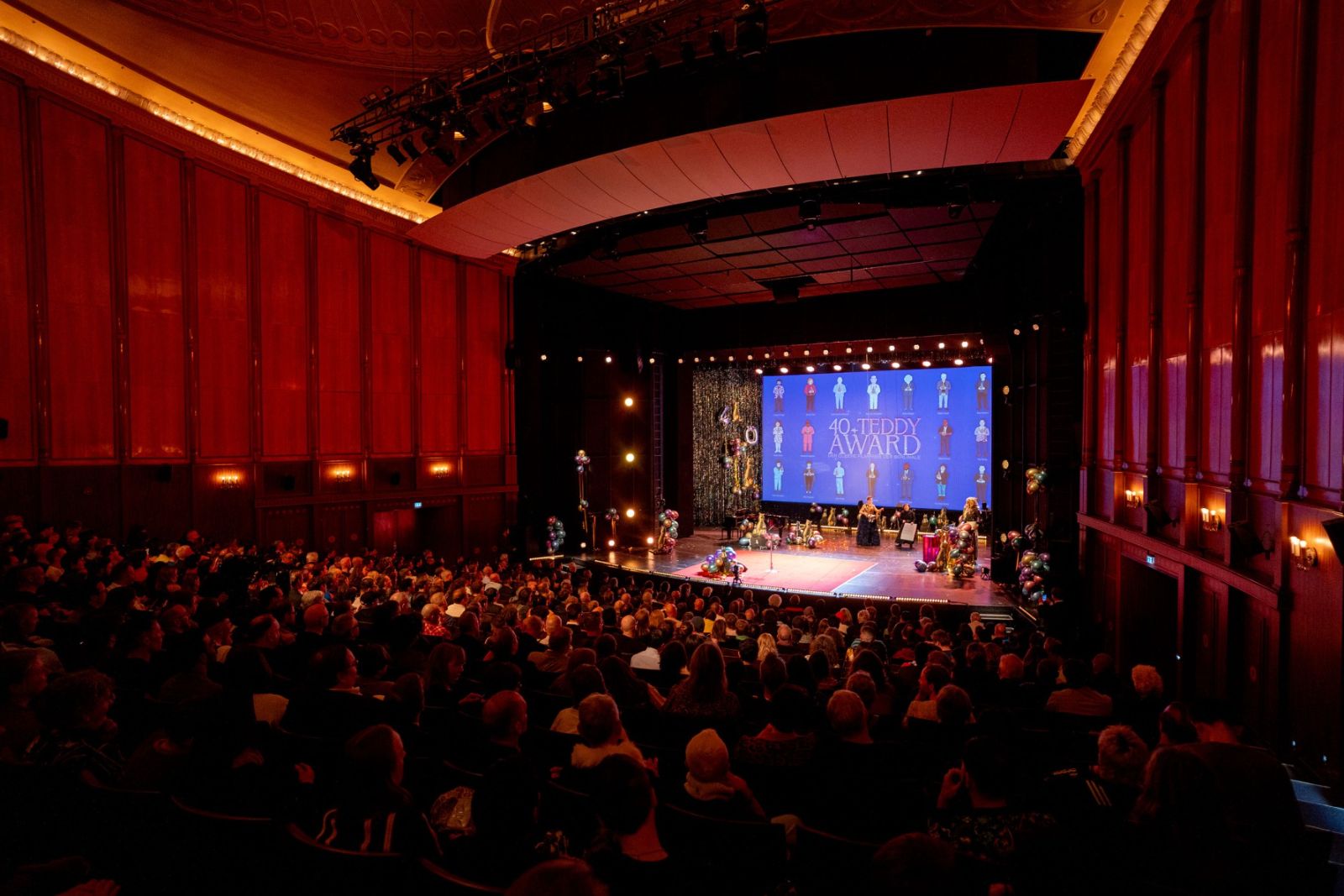
The Berlinale is ten days of film in February and the most public of the three great festivals. Some four hundred films across nine sections, twenty of them competing for the Golden Bear.
Cannes admits the accredited. Venice admits the accredited. Berlin sells tickets to anyone who wants one, and several hundred thousand people buy them.
The Showcase
The festival was the idea of an American army officer.
Oscar Martay was a film officer with the United States military in West Berlin after the war. In 1950 he assembled a committee of Berlin senators, German film people and a journalist, and they set the first festival for June 1951.
The city was still largely in ruins. The purpose was stated frankly: Berlin was to be a showcase of the free world, and a film festival was a cheaper way of demonstrating that than most of the alternatives.
It opened at the Titania-Palast with Hitchcock’s Rebecca, and Joan Fontaine was in the room. The prizes were given at the Waldbühne, an open-air arena, and it sold out. Martay was given a Golden Bear of his own for having made the thing exist.
The bear is Berlin’s heraldic animal, and has been for some seven hundred years.
The Public
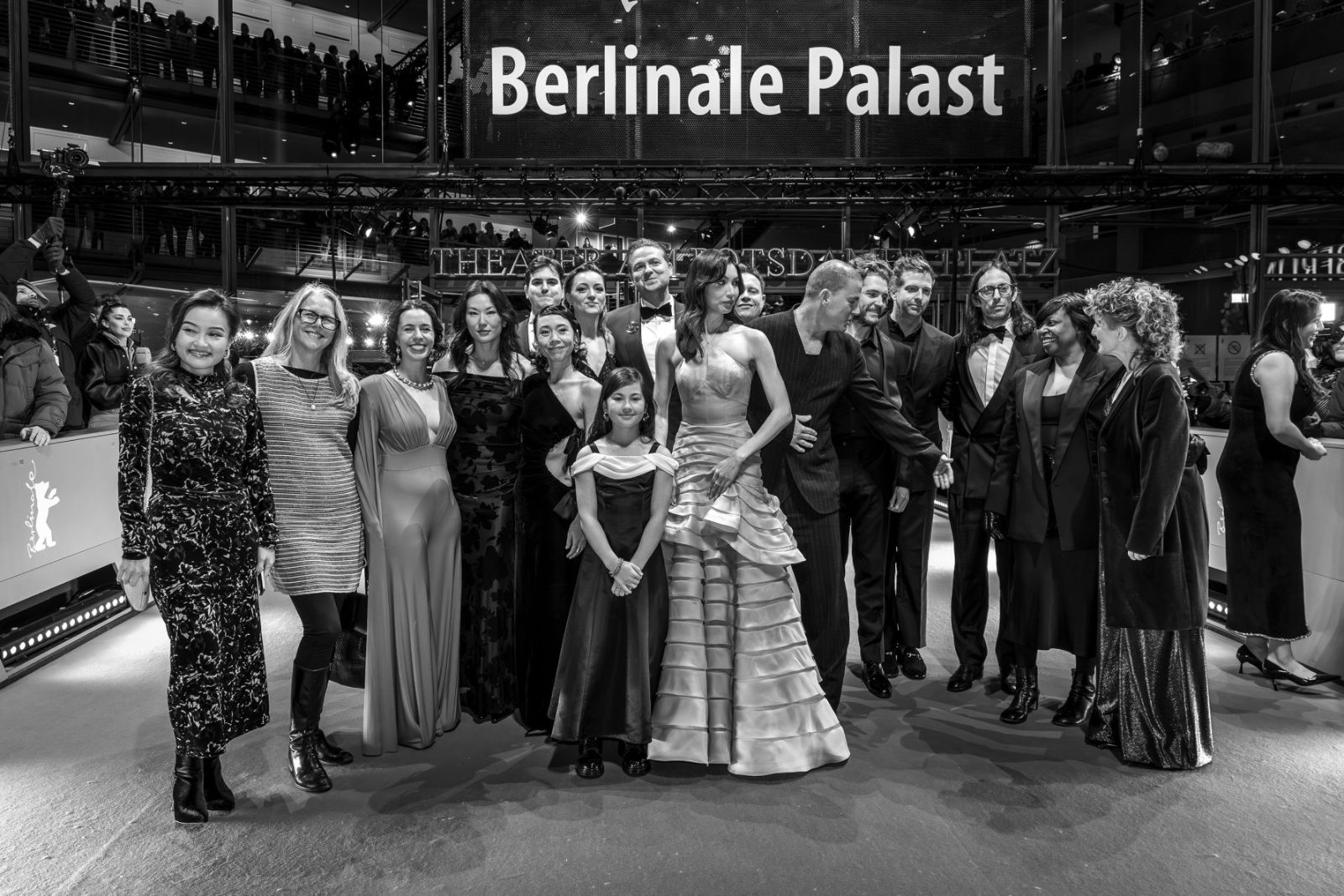
For its first four years the international producers’ federation refused to let the festival award jury prizes. The Berlinale’s answer was to let the audience decide. Between 1952 and 1955 the Golden Bear was determined by public vote.
That accident set the festival’s character. It was properly accredited in 1956 and given the status Cannes and Venice already held, but it never stopped being a festival the city attends.
The politics came with it. In 1970 the competition collapsed in an argument over a German film about American conduct in Vietnam, and out of that came the Forum, a section for political and experimental work that runs still.
It moved from June to February in 1978, and to Potsdamer Platz in 2000.
What to Know
Tickets go on sale to the public a few days before the festival opens, and a great many sell within hours. There are queues before dawn and they are part of the thing.
The European Film Market runs alongside, with more than a thousand screenings in the cinemas around Potsdamer Platz. That is the trade half and it is closed.
Nine sections. The Competition is twenty films. The Forum and Panorama are where the interesting work usually sits, and the Retrospective is the best-programmed old cinema in Europe in any given year.
Berlin in February is cold, wet and dark by four. Nobody dresses for a red carpet in that weather and nobody is expected to.
The mistake is comparing it with Cannes. Cannes is a market with a festival attached, and it is closed. Berlin is a city watching films, and the tone follows from that.
The Court
The Berlinale is not the Court’s own. Tickets, premieres and places at the industry receptions are sought on a member’s behalf, and the Court arranges the whole of it: getting there, where to stay, and the table afterward.
