
THE DUBAI WORLD CUP
Late March · Meydan, Dubai · An Evening · Since 1996
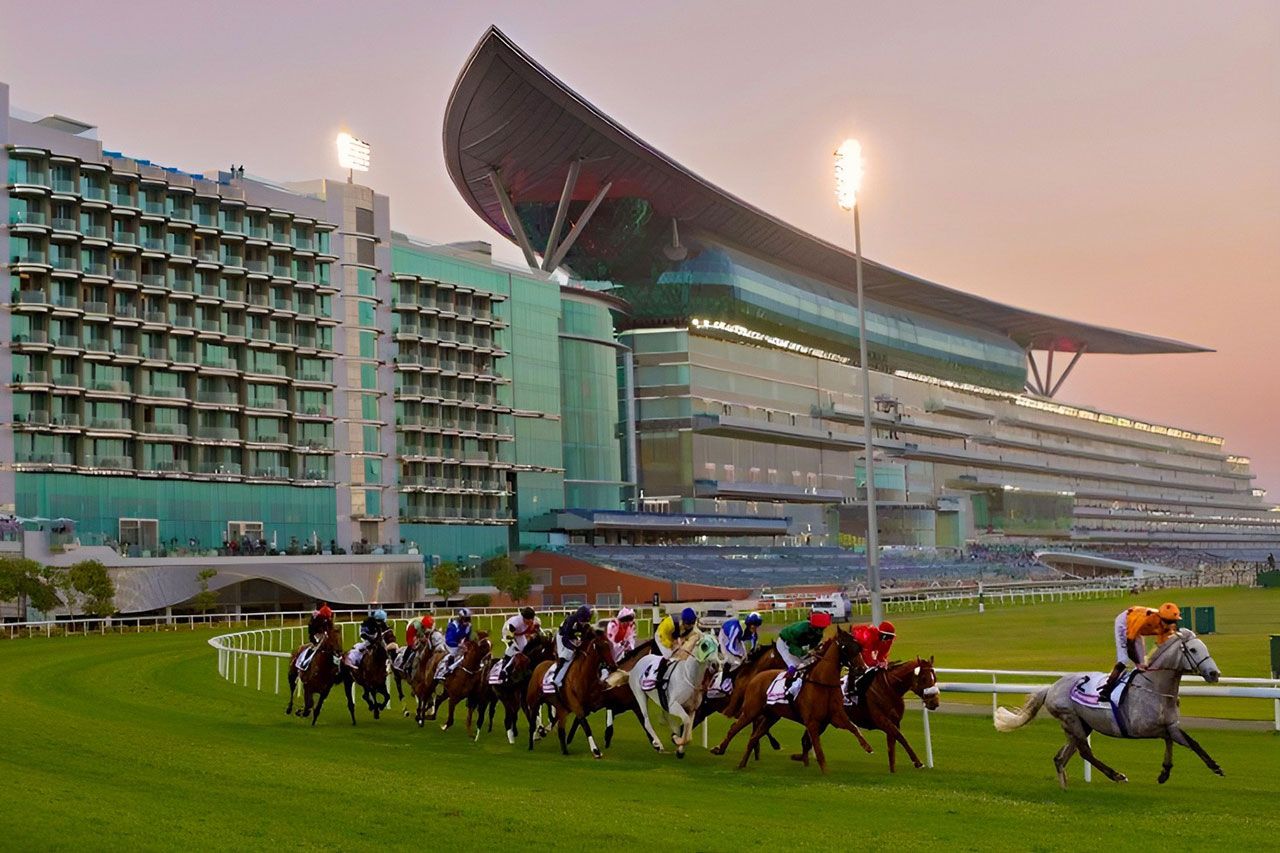
The Dubai World Cup is run on the last Saturday in March, under lights at Meydan, and it is the richest day’s racing in the world. Nine group one races across an evening, with the main event alone carrying twelve million dollars.
There is no betting on any of it.
The Recruitment
In 1996 Dubai had a racecourse at Nad Al Sheba and no reputation whatever.
Sheikh Mohammed bin Rashid Al Maktoum put four million dollars on a single race and then went and got a horse to make it matter. Cigar was the best animal in America, on a winning streak that had reached thirteen, and there was no reason at all for his connections to fly him to the Gulf. His trainer, Bill Mott, described the journey as a trip to the moon.
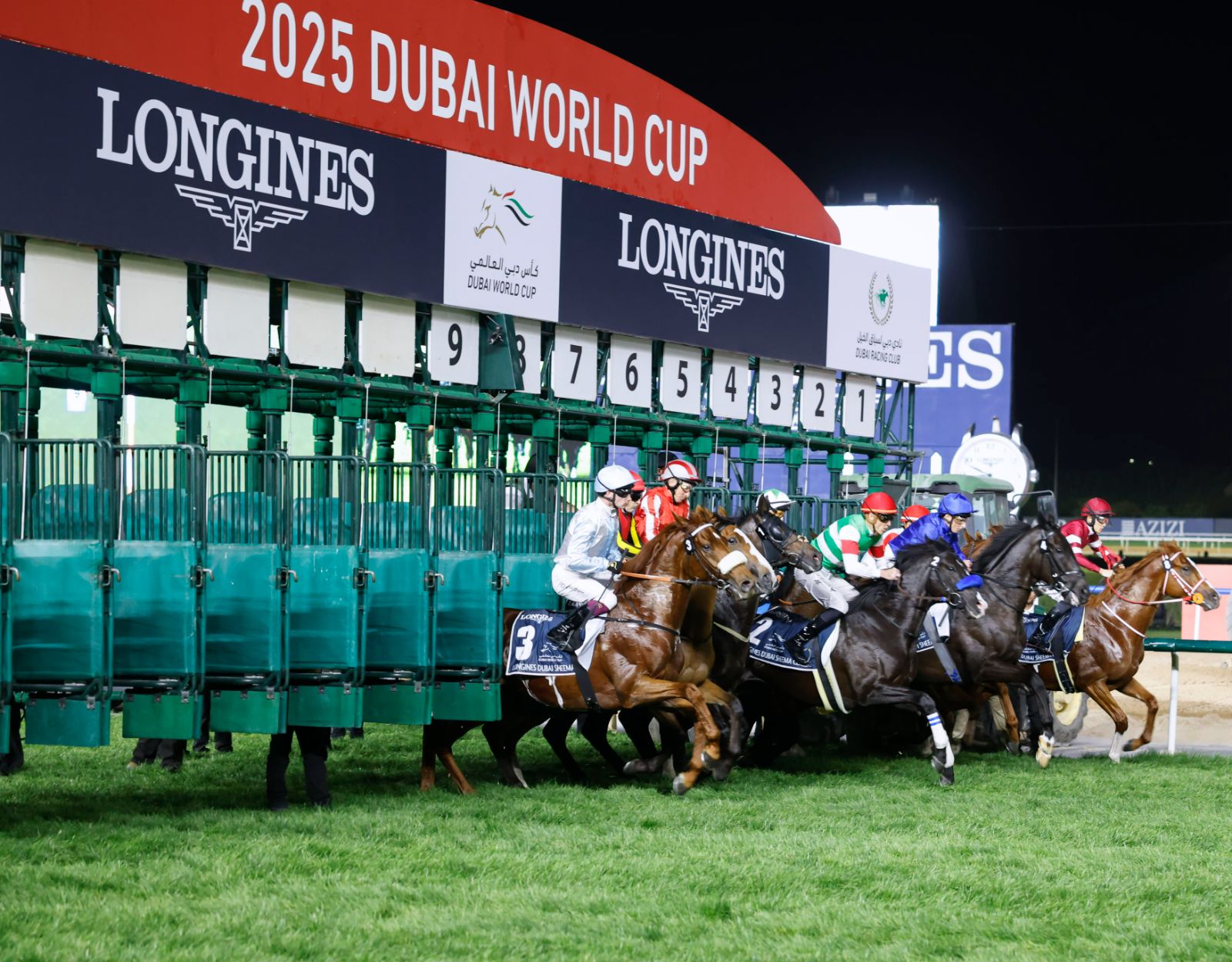
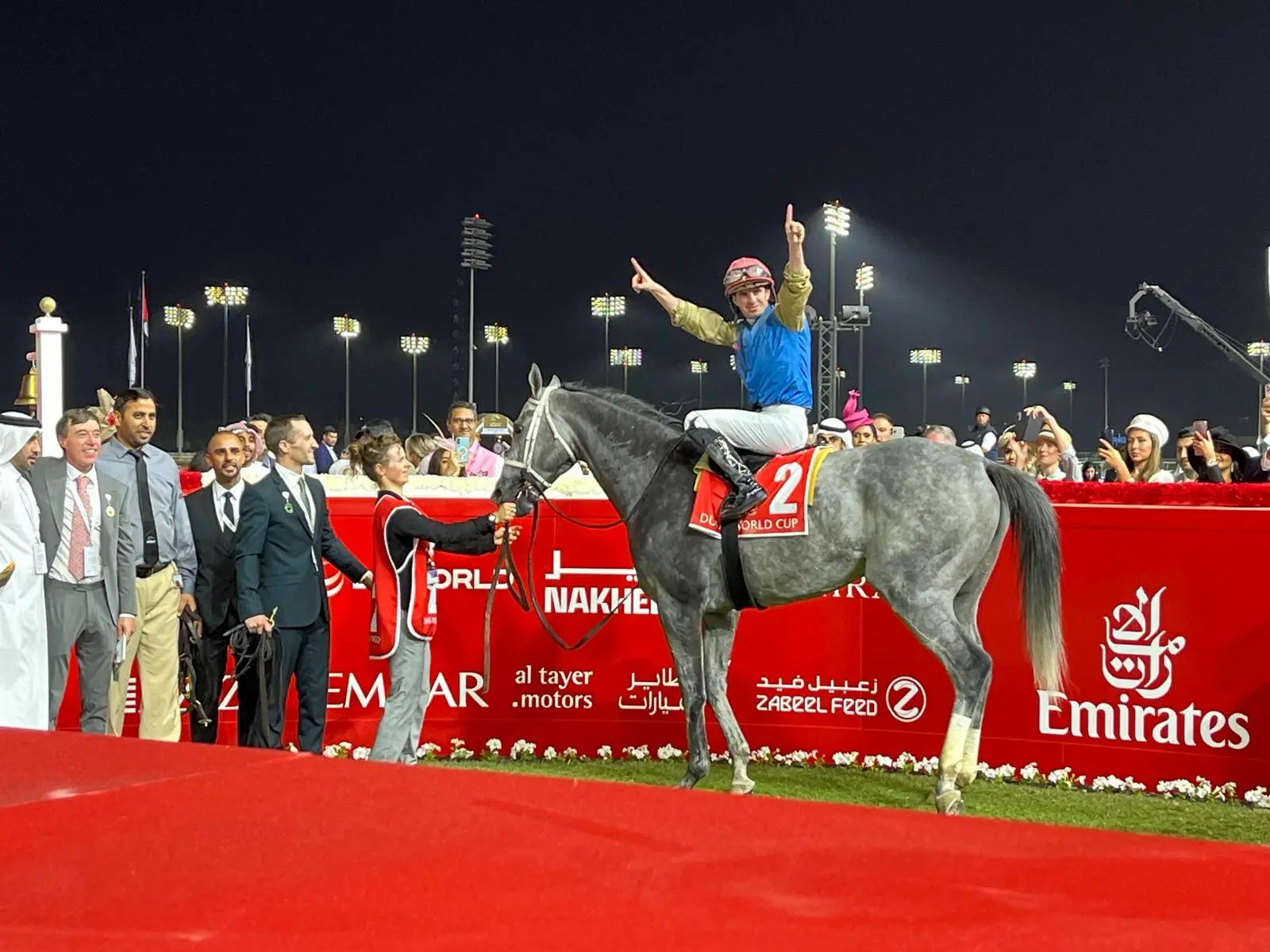
They went. Cigar won it under Jerry Bailey, and the race existed from that afternoon. Eleven horses ran in the first edition. The best horses in the world have run in every one since.
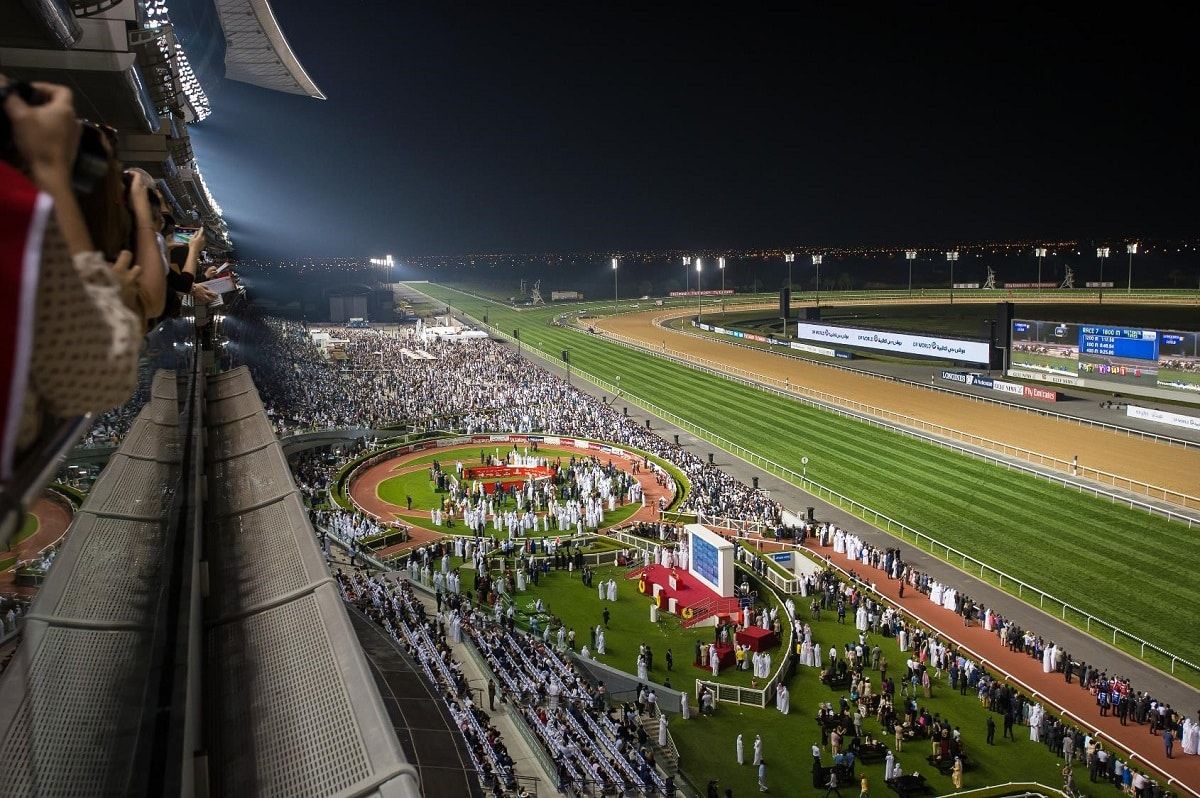
Nad Al Sheba held it until 2009 and was also the first home of Godolphin. In 2010 the whole operation moved to Meydan, which is Arabic for meeting place, and which has a grandstand a mile long.
The Absence of a Bet
Almost every racecourse in the world is funded by gambling. Prize money comes from a levy on what is wagered, which means the size of a purse is ultimately decided by how many people bet on it.
Betting is illegal in the United Arab Emirates. There is none at Meydan, on any race, and there never has been. A free prediction competition is run instead, for prizes.
Which makes the Dubai World Cup the only great race in the world that is not paid for by the people watching it. The money is simply put up, by one family, because they decided the race ought to exist.
That is worth sitting with, because it changes what the race is. Everywhere else a purse reflects demand. Here it reflects intent.
What to Know
It runs at night under floodlights, in temperatures that are pleasant by then and were not at four in the afternoon.
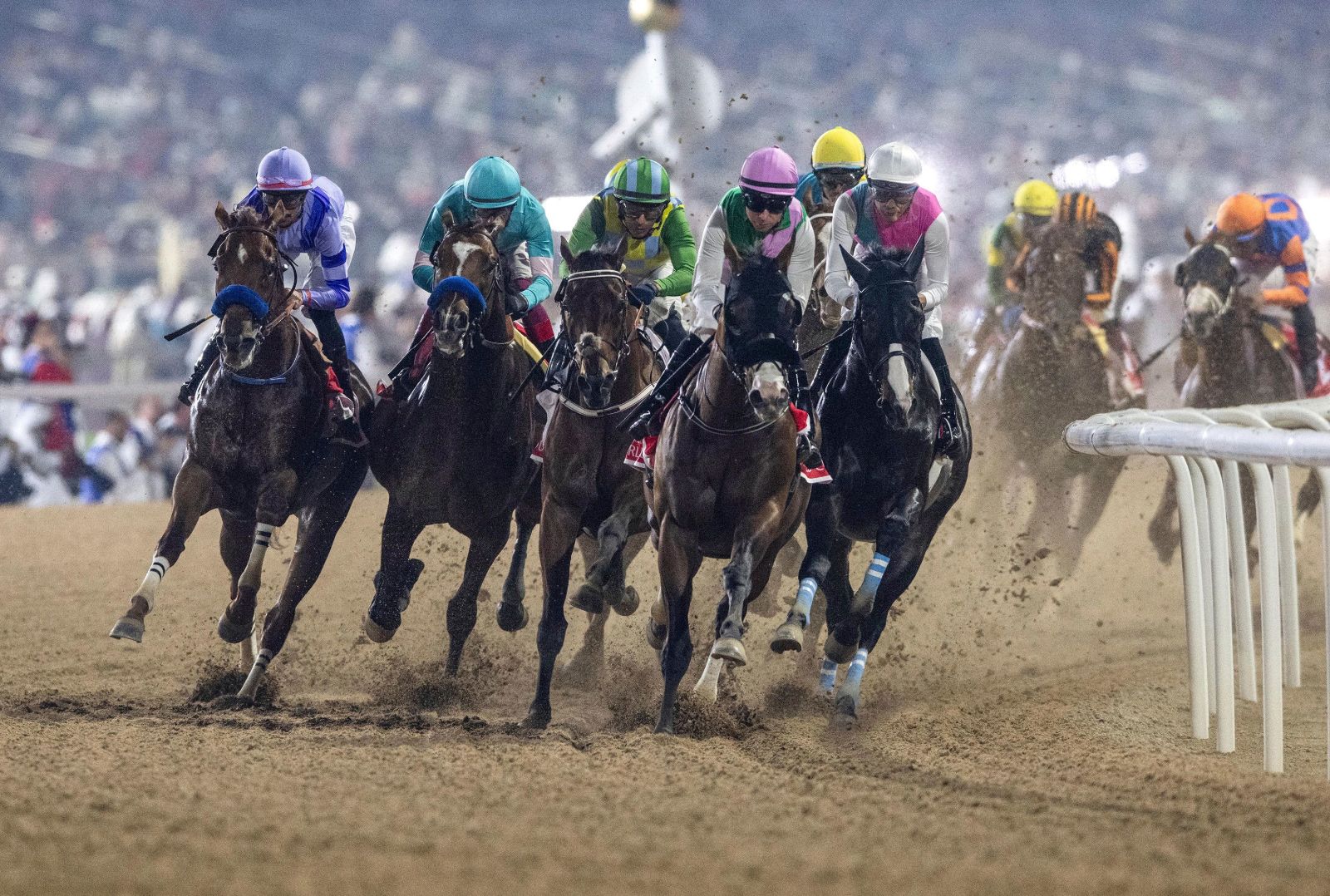
The surface has changed twice. Dirt from 1996, a synthetic called Tapeta from 2010, and back to dirt in 2015, because the Americans would not send horses to run on something they had not trained on.
Nine races, and the World Cup is the last of them. The card carries the Dubai Turf, the Sheema Classic and the Golden Shaheen, any one of which would headline a meeting elsewhere.
The dress is strict for a racecourse and it is enforced: shoulders covered, hemlines at the knee, and hats worn as a matter of course.
It closes a season rather than opening one. The carnival runs from November and this is the last night of it.
The Court
The Dubai World Cup is not the Court’s own. Boxes, enclosure access and rooms in the city are sought on a member’s behalf, and the Court arranges the whole of it: getting there, where to stay, and the table afterward. The Desert Classic in January and the boat show in April sit in the same city’s year.
