

THE NEW YEAR LUNCHEON
Early January · New York · An Afternoon · Hosted by the Court
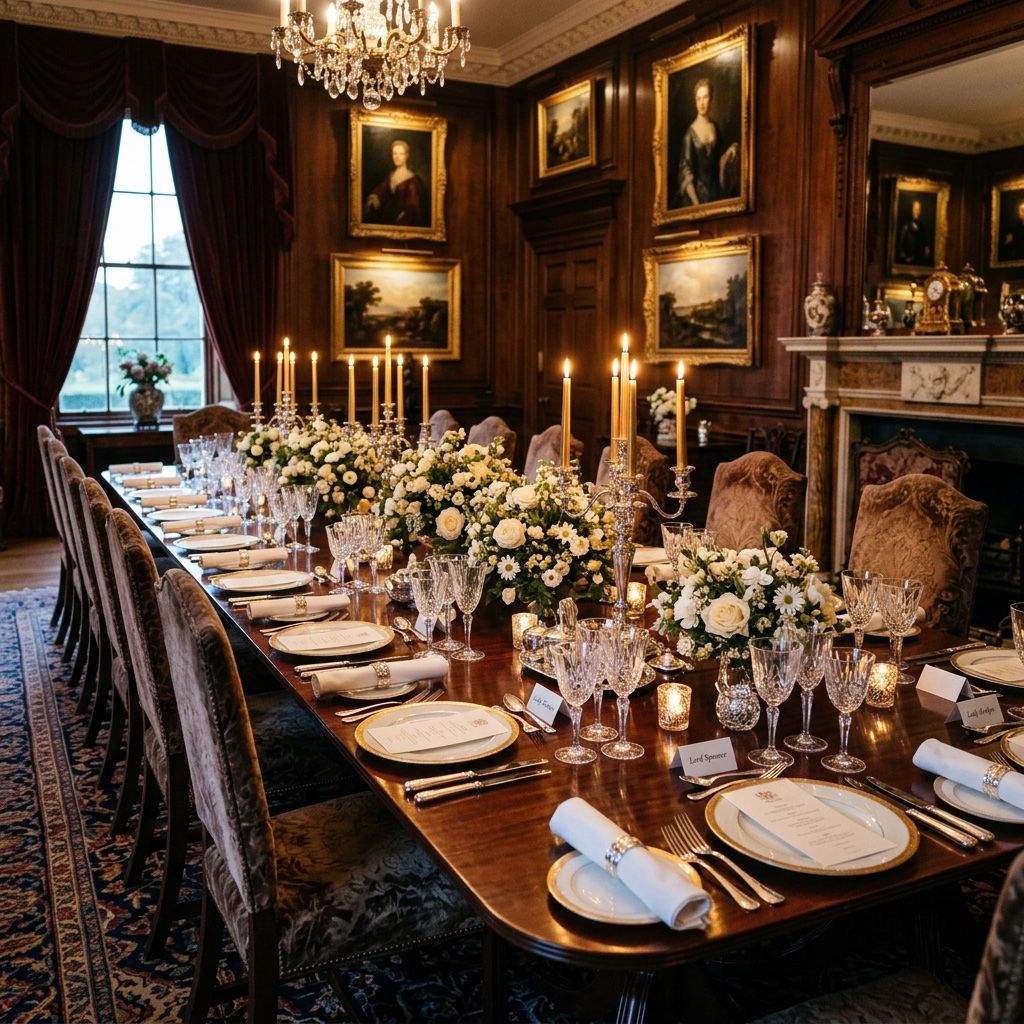
The New Year Luncheon is the first table of the year. It is set at midday in the first week of January, in a borrowed room in New York, and it runs into the afternoon.
Members come alone or with one guest. The courses are fixed. The room is not turned over for a second seating.
The Form
A luncheon is not a lesser dinner. It is a different thing, and for a long time it was the more serious of the two.
The point of the middle of the day is that it ends. A dinner runs until people are tired, and tired people say things at eleven they would not say at noon. A luncheon has an afternoon on the other side of it, and everyone at the table knows they will be somewhere else by four. That constraint is what makes the conversation good.
The first week of January is the emptiest week in the year. Nothing is happening, nobody is travelling, and the year has not yet made its demands. It is the best week there is for sitting down with people, and the one nobody uses.
The Afternoon
Guests arrive at half past twelve and are given one drink standing.
The table sits at one. The courses are fixed and nothing is chosen. What is served is what January gives, cooked plainly and brought in whole.
Wine is poured and left. There are no speeches. The Court gives one toast at the start and it is short.
The table rises when it rises. Nothing is arranged for afterward, which is the point.
What Is Asked
The code is stated in the invitation and it is not negotiable.
The Court sits at one whether or not everyone is there.
Telephones stay in pockets. A photographer is present for part of the afternoon, and what is worth keeping is sent afterward.
A member may bring one guest and answers for them. One rather than two: the table is set for twenty-four, and half of it is meant to be people the other half has not met.
Nobody is pitched at the table.
The Places
Twenty-four. Members are written to in December, and the luncheon fills before the year turns.
The sum is stated in the invitation and covers the whole of the afternoon.
