

THE SWISS BALL
March · Cipriani 42nd Street, New York · An Evening · Since 1920
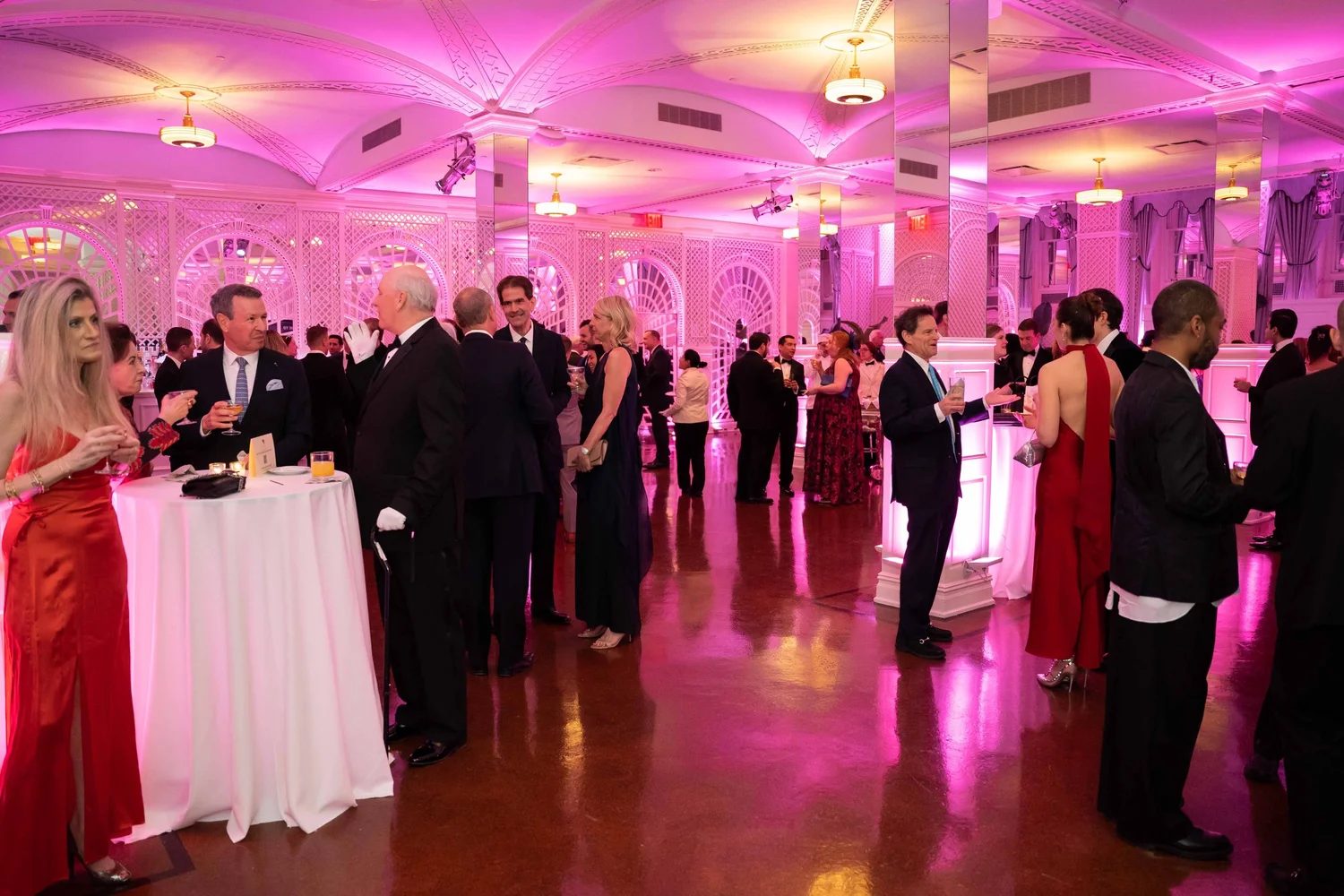
The Swiss Ball is given each March by the Swiss Society of New York, a body that has been in the city since 1882.
Black tie, in a room on Forty-Second Street that was a bank before it was a ballroom, and a company that runs to Swiss bankers, watchmakers and diplomats, along with a good number of Americans with no Swiss connection at all.

The Motion
It was not a ball for the first forty years. It was a banquet, and it was a banquet for men.
In 1920 the Society’s president put a motion to the membership: that ladies should henceforth be invited. The minutes record a heated discussion. The motion carried.
From that year the evening was called the Banquet and Ball, and in time simply the Ball. Which makes this one of the few occasions on this calendar whose name records the outcome of a vote.
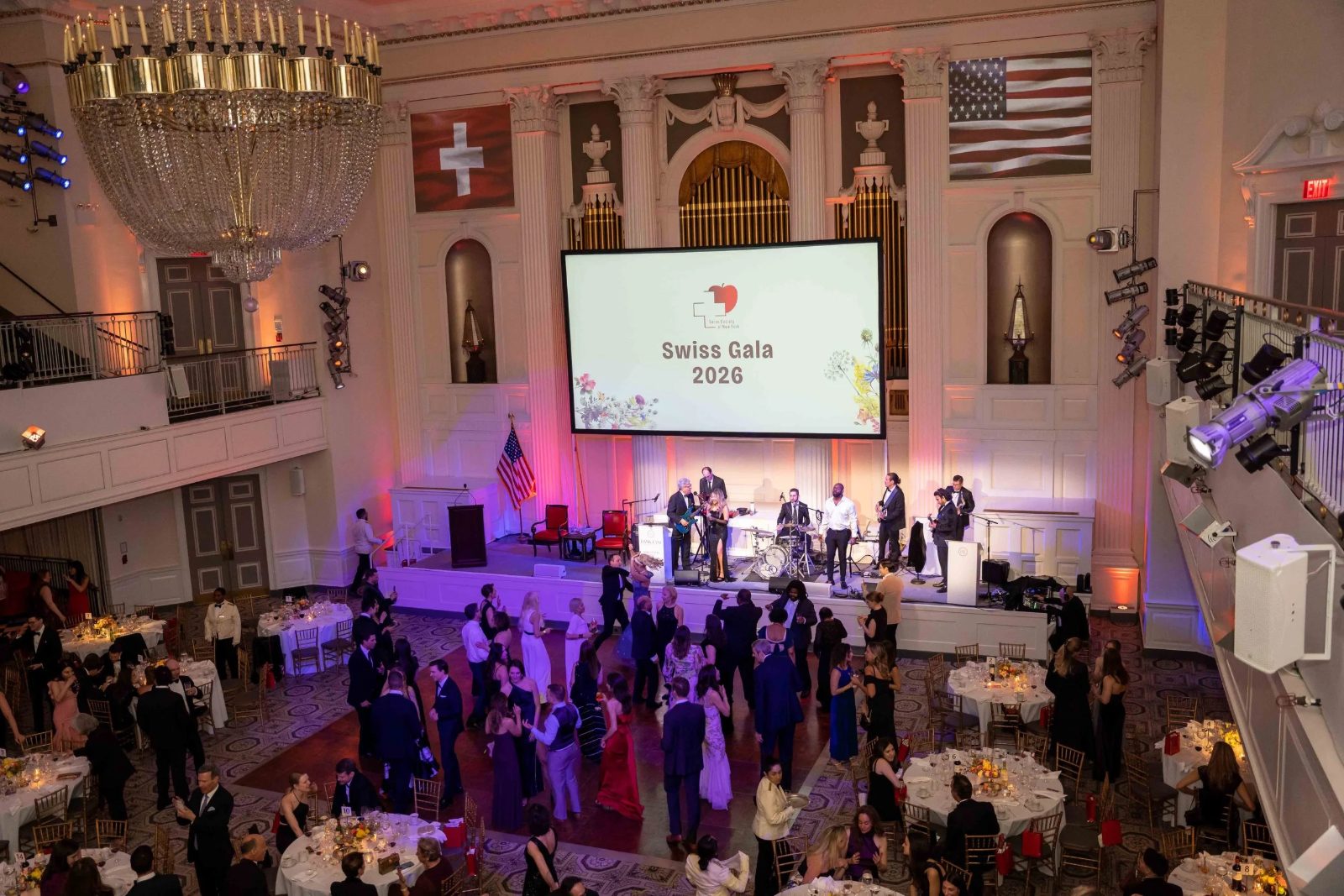
The Society
The Swiss Society of New York began in 1882 as the Swiss Club.
Alongside it ran a second body, the free association of former students of the Swiss technical colleges, for Swiss men in New York with engineering or academic training. It later dropped the qualification, admitted women, renamed itself the Swiss Scientific Society, and in March 1930 merged with the Swiss Club. The two became the Swiss Society of New York.
That is the shape of the Swiss abroad in a single sentence: a social club and an engineers’ association, joined.
The Society is run by volunteers and gives a fellowship each year, named for the ball’s theme or for its guest of honour.
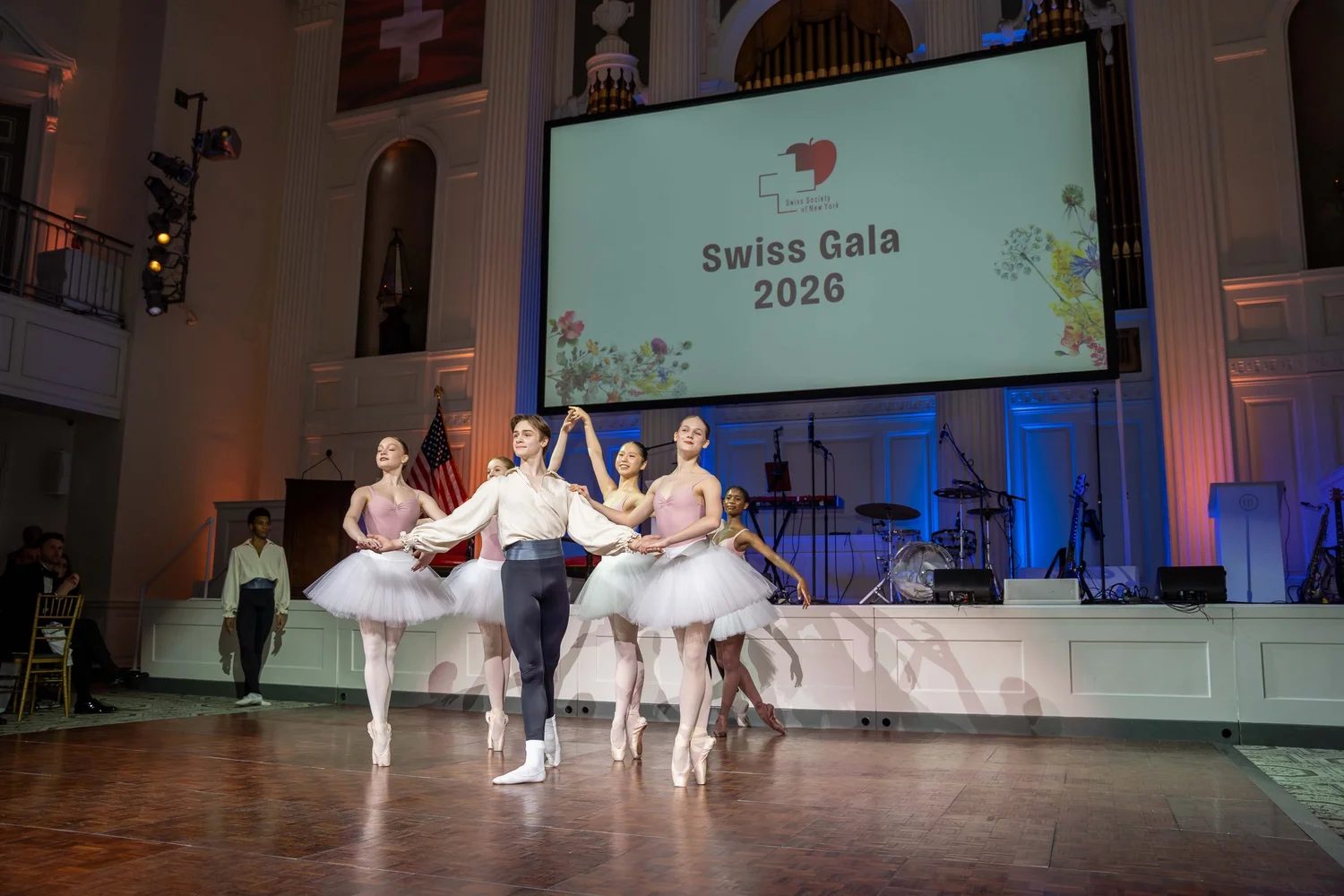
What to Know
Black tie, and the room keeps it.
It is among the more approachable of the New York national balls. Places can be taken without a nomination, and the Society has deliberately held its price below its neighbours.
You need not be Swiss. A good part of the room is not.
The same Society’s year also holds a fondue night and a national day picnic, which tells you something about the tone. This is not an institution that takes itself too seriously, and the ball is the better for it.
The Court
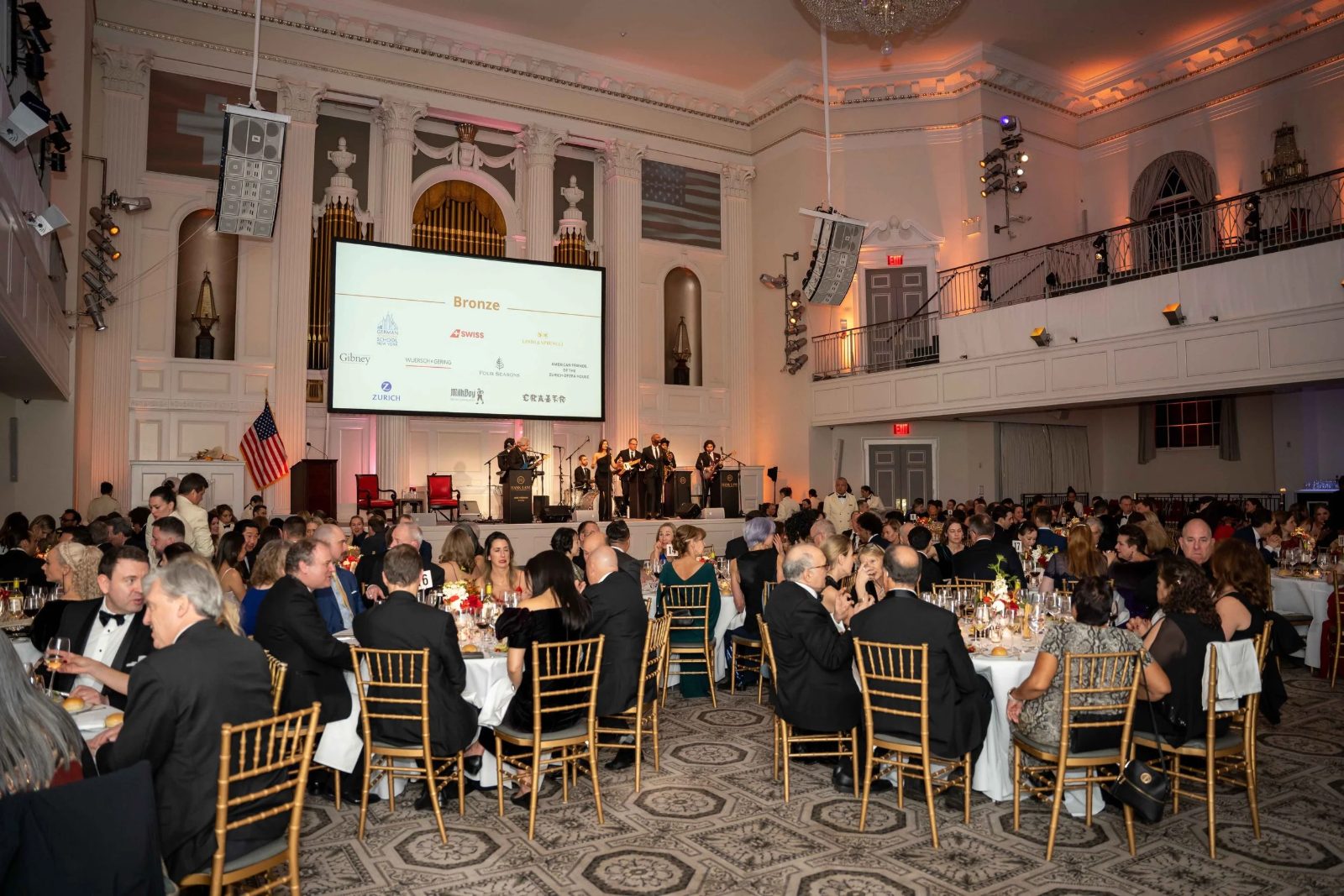
The Swiss Ball is not the Court’s own. Tables, seating and Society membership are sought on a member’s behalf, and the Court arranges the whole of the evening: getting there, where to stay, and the table afterward.
