

THE WINTER SHOW
Late January · Park Avenue Armory, New York · Ten Days · Since 1954
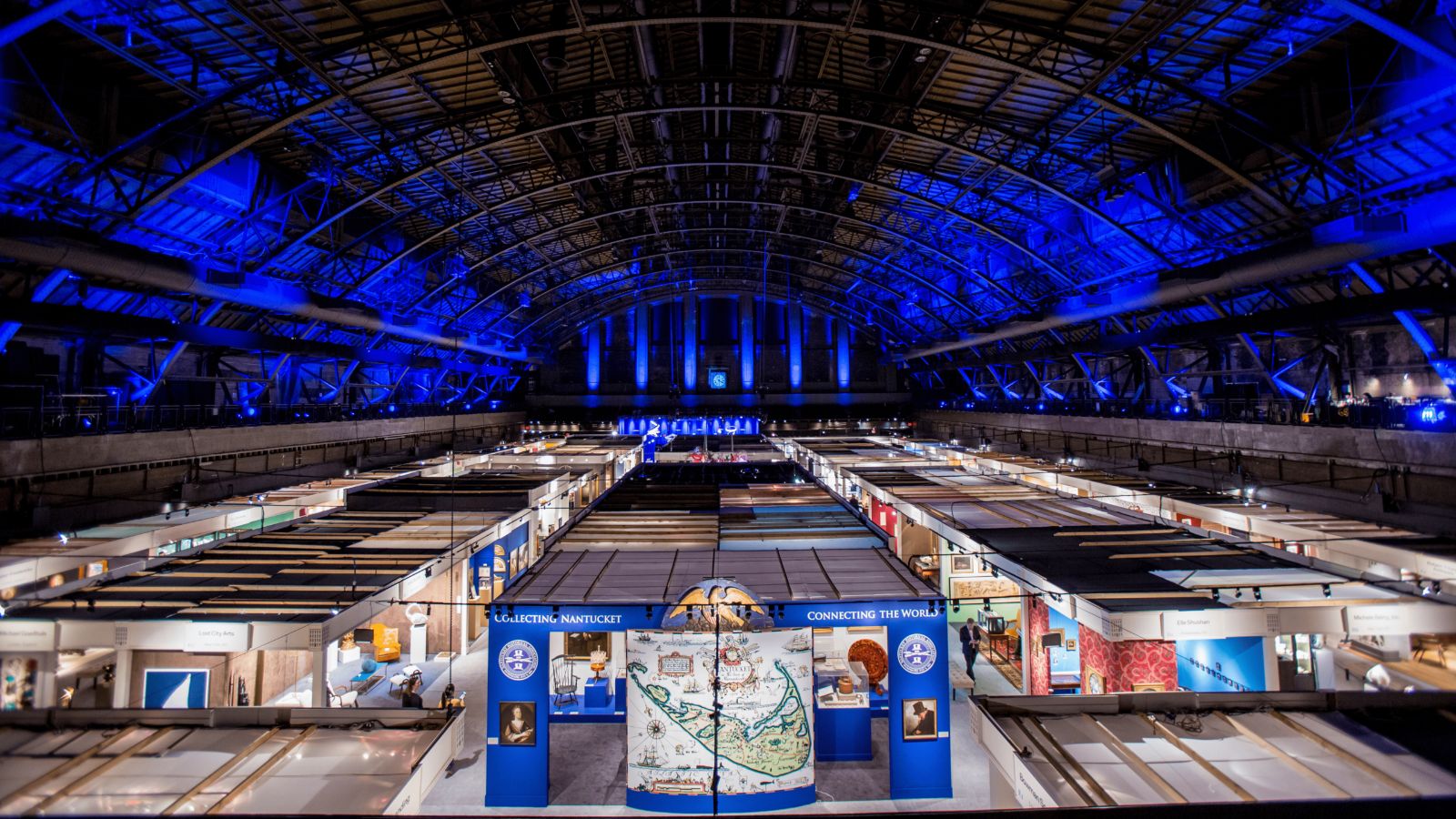
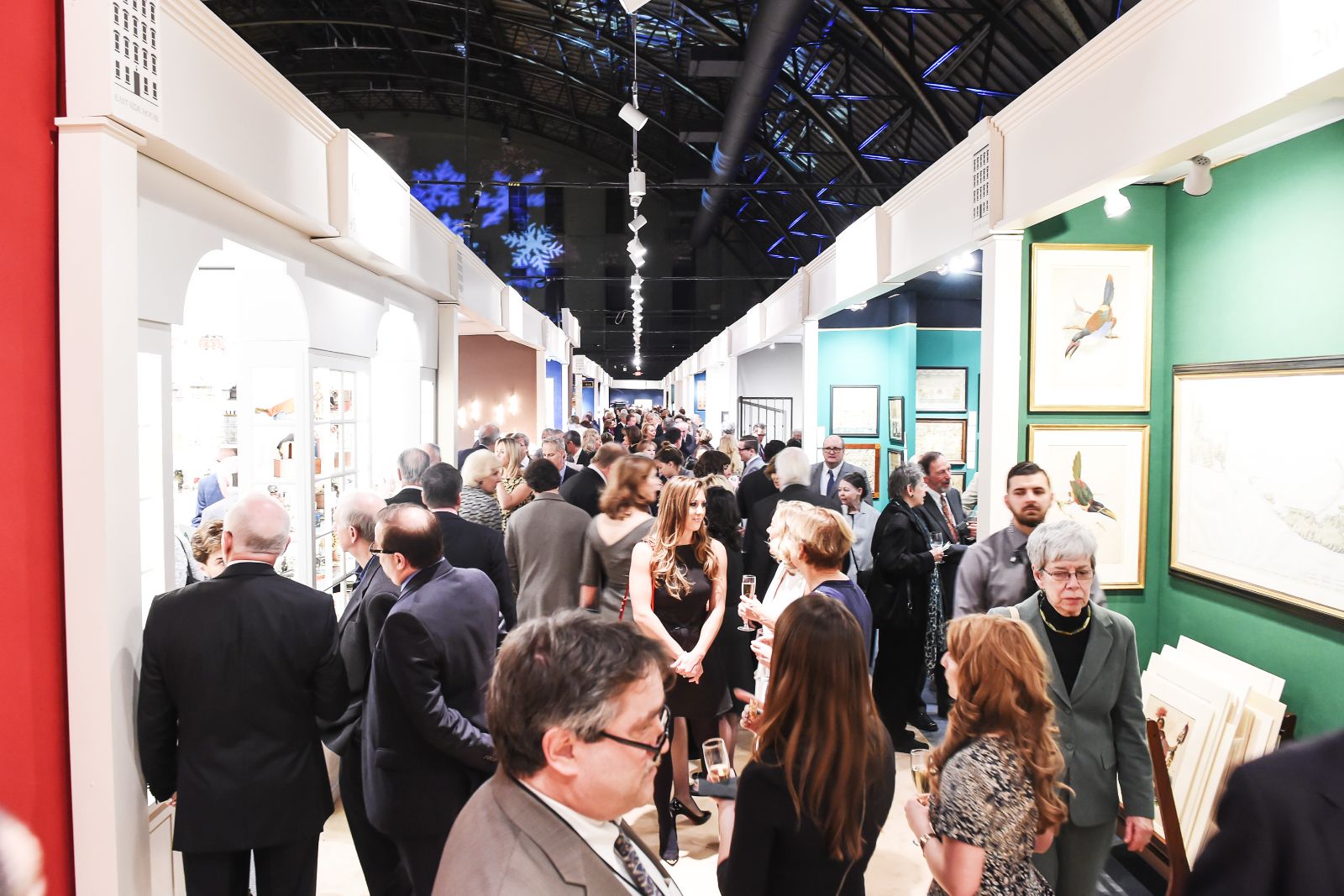
The Winter Show is ten days of art, antiques and design at the Park Avenue Armory, and the oldest fair of its kind in America. Around seventy dealers take stands, and what they bring spans five thousand years: Egyptian antiquities at one end of the hall, contemporary ceramics at the other.
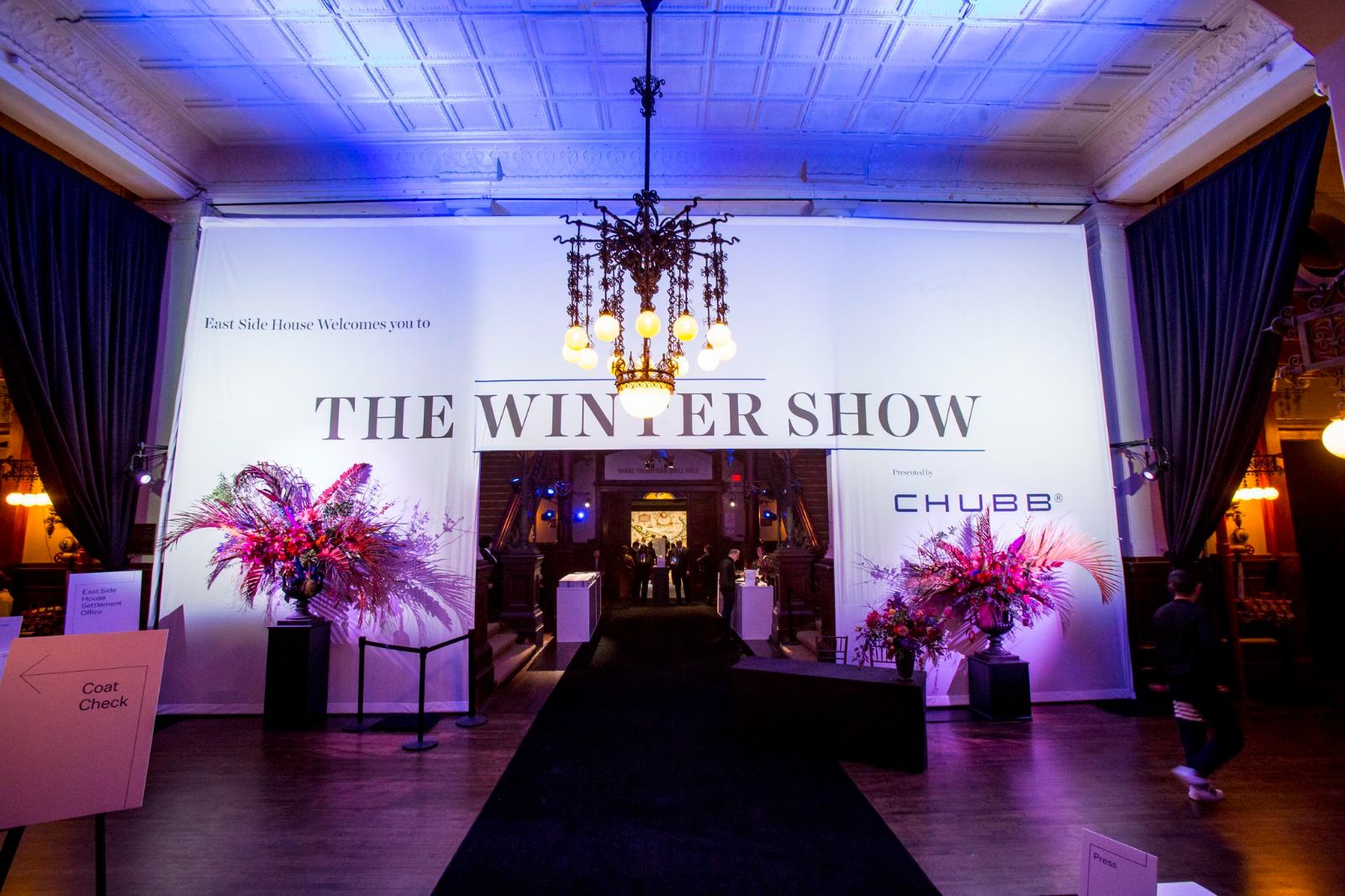
It is also a charity benefit. Every dollar of net proceeds goes to East Side House, a settlement house serving the Bronx and Northern Manhattan, and has done since the first show.
The History
In 1954 a New York socialite asked the co-director of East Side House to help her sell five Louis Vuitton trunks. Days later, two young antiques dealers suggested to the same woman that the charity might run an antiques fair. The two ideas met, and the fair has run every January since.
It was called the Winter Antiques Show for sixty-four years. The name was shortened in 2018, once too much of what sold was too new to be called antique.
Several dealers have taken a stand for more than forty years. A La Vieille Russie has been selling Fabergé at it since before most of the current buyers were born.
The Vetting
This is what separates the Winter Show from every other fair in America, and it is the reason to go.
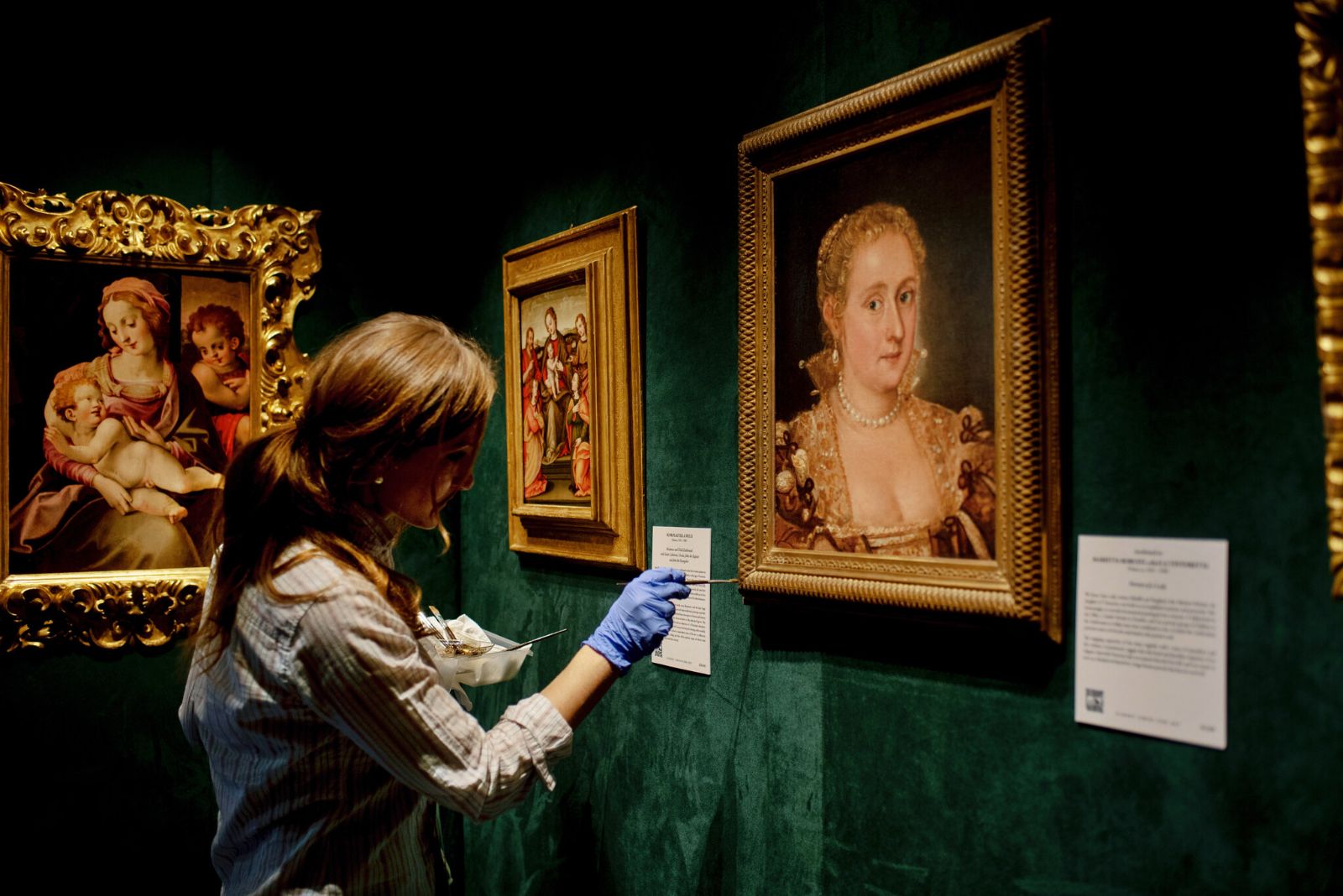
Before the doors open, a committee of experts examines every object on every stand for authenticity, date and condition. Anything that fails is removed from the floor. The dealer does not get to argue.
The practical effect is that a person can buy at this fair without bringing their own specialist, which is not true at most fairs and is not true at any auction. What is on the stand has already been examined by someone who knows more than the buyer does.
The Armory
The building is worth an hour on its own. It was built in 1881 for the Seventh Regiment, whose officers were drawn from the old New York families, and they furnished it accordingly. The period rooms off the main hall were decorated by Louis Comfort Tiffany, Stanford White and the Herter Brothers, and most visitors walk past them without looking in.
The fair occupies the drill hall, which is a single unobstructed room the size of a train shed.
What to Know
There is no dress code for the fair. Opening Night is a different matter, and is dressed accordingly.
Ten days is long for a fair of this kind, which means it never becomes a scrum. Go on a weekday afternoon and the dealers will talk to you properly.
Prices run from a few thousand dollars to seven figures on the same stand. Nothing is marked, and asking is expected rather than gauche.
Objects may be handled. This is a fair rather than a museum, and a dealer would rather you picked something up than admired it from four feet away.
The mistake is treating it as an exhibition. Everything in the room is for sale, and the people behind the stands have spent their lives learning what they are selling. The knowledge is free and most visitors never ask for it.

The Court
The Winter Show is not the Court’s own, though the Acquisition each April is cut from the same cloth. Tickets, the Opening Night benefit and introductions to particular dealers are sought on a member’s behalf, and the Court arranges the whole of the day: getting there, where to stay, and the table afterward.
