
ANTIGUA SAILING WEEK
Late April · English Harbour · A Week · Since 1968
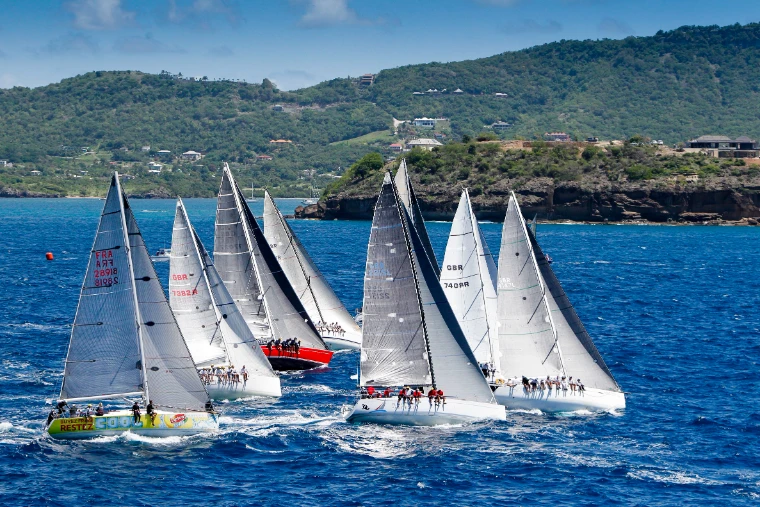
Antigua Sailing Week is five days of racing out of English Harbour at the end of April, the last great regatta of the Caribbean winter before the boats head north for the summer.
Its dockyard is older than the United States.
The Dockyard
English Harbour is a hurricane hole: a deep inlet on Antigua’s south coast, almost enclosed by hills, where a fleet could ride out a storm. In 1725 the island’s planters offered it to the Royal Navy, and from the 1740s the navy built a dockyard there to keep its warships in the West Indies at sea. It was built by enslaved Africans from the plantations around it.
Horatio Nelson was posted there as a young captain from 1784 to 1787, enforcing the laws that forbade the islands to trade with the newly independent Americans. He made enemies of the planters, lived aboard his ship as much as he could, and wrote home that the place was an infernal hole.
The navy left in 1889, when steam had made a base for sailing ships pointless, and the dockyard was left to the weather. When it was restored in the 1950s it was given Nelson’s name, an honour he would not have expected. It is the only Georgian dockyard in the world still at work, and the stone pillars of its boathouse and sail loft, built in 1797, still stand at the water’s edge.
The Week
Sailing Week began in 1968, when the island’s hotels put on a week of racing to bring visitors: races for yachts, for powerboats and for the fishermen’s own boats, and a costume ball in Nelson’s name to finish. It grew until, at its height, more than two hundred and fifty boats came.
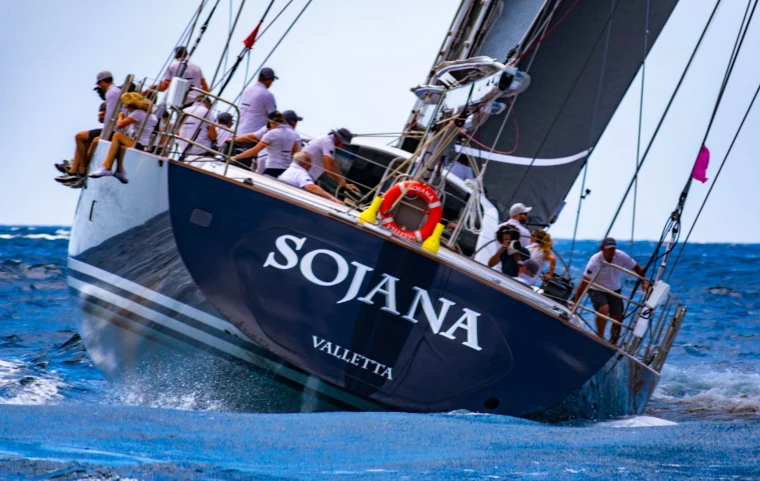
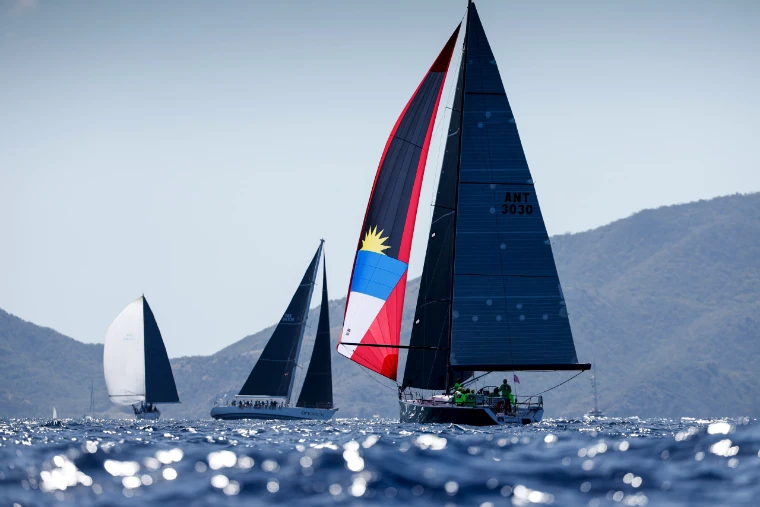
Its classic yachts left in 1988 for a regatta of their own, held the week before. What remains is modern racing: grand prix boats, cruisers, multihulls and chartered bareboats, each class on its own course around the island.
The racing ends each day by the middle of the afternoon, and then the island’s parties begin: in the Dockyard, in Falmouth Harbour next door, and on the Sunday at Shirley Heights, the old gun battery above the harbour, where a steel band plays into the dark.
What to Know
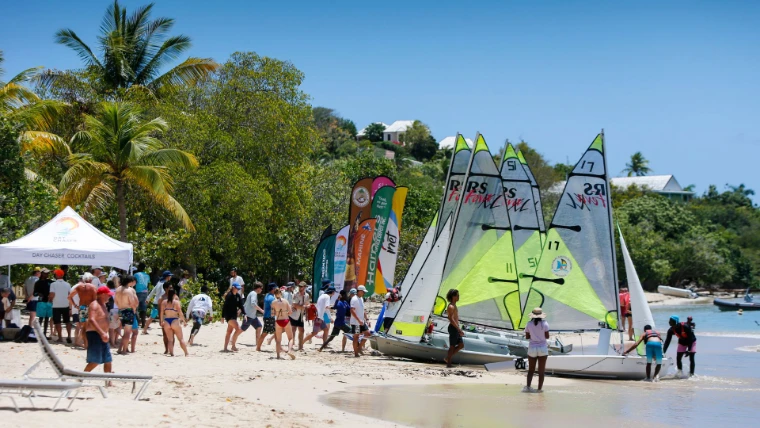
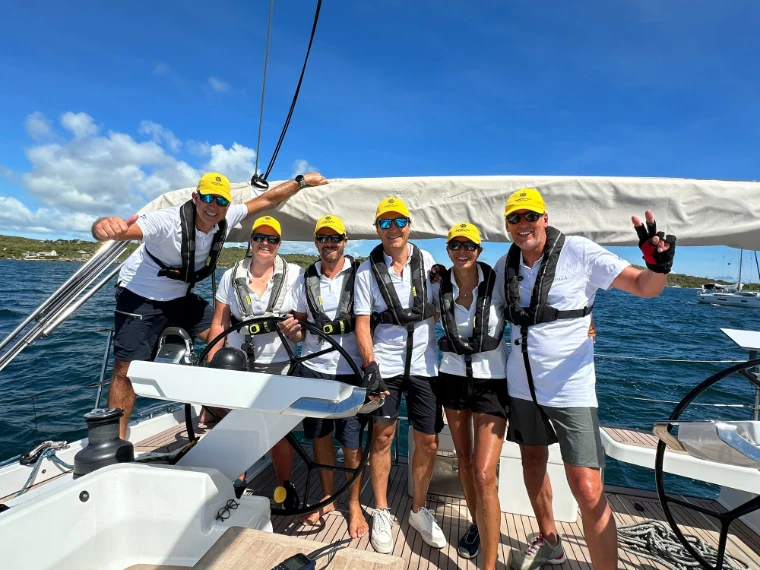
Many of the boats that race are chartered, crew and all. A member can race without owning anything.
The best view of the racing is from the heights above the harbour, or from a boat.
The classic regatta the week before makes a fortnight of it for those who can stay.
The Dockyard is a national park. Its museum keeps the history of the enslaved and free Africans who built and worked the yard, as well as the navy’s.
The Court
Antigua Sailing Week is not the Court’s own. A place aboard a racing yacht, a boat chartered for members to race together, and rooms around English Harbour are sought on a member’s behalf, and the Court arranges the whole of the week: getting there, where to stay, and the table afterward.
How one becomes a member is set out under Admission.
Set down September MMXXVI