

ART BASEL HONG KONG
Late March · Hong Kong Convention and Exhibition Centre · Four Days · Since 2013
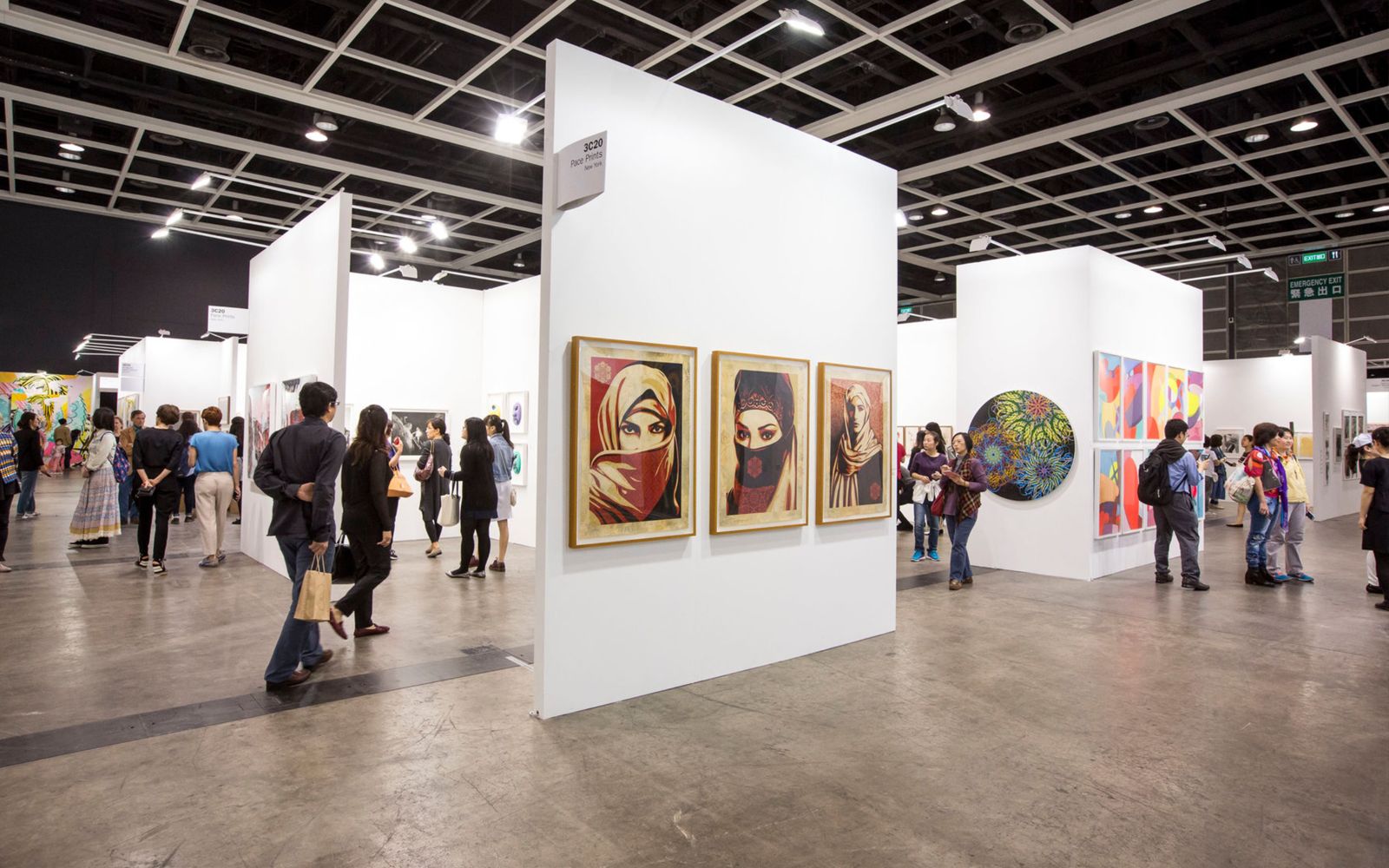
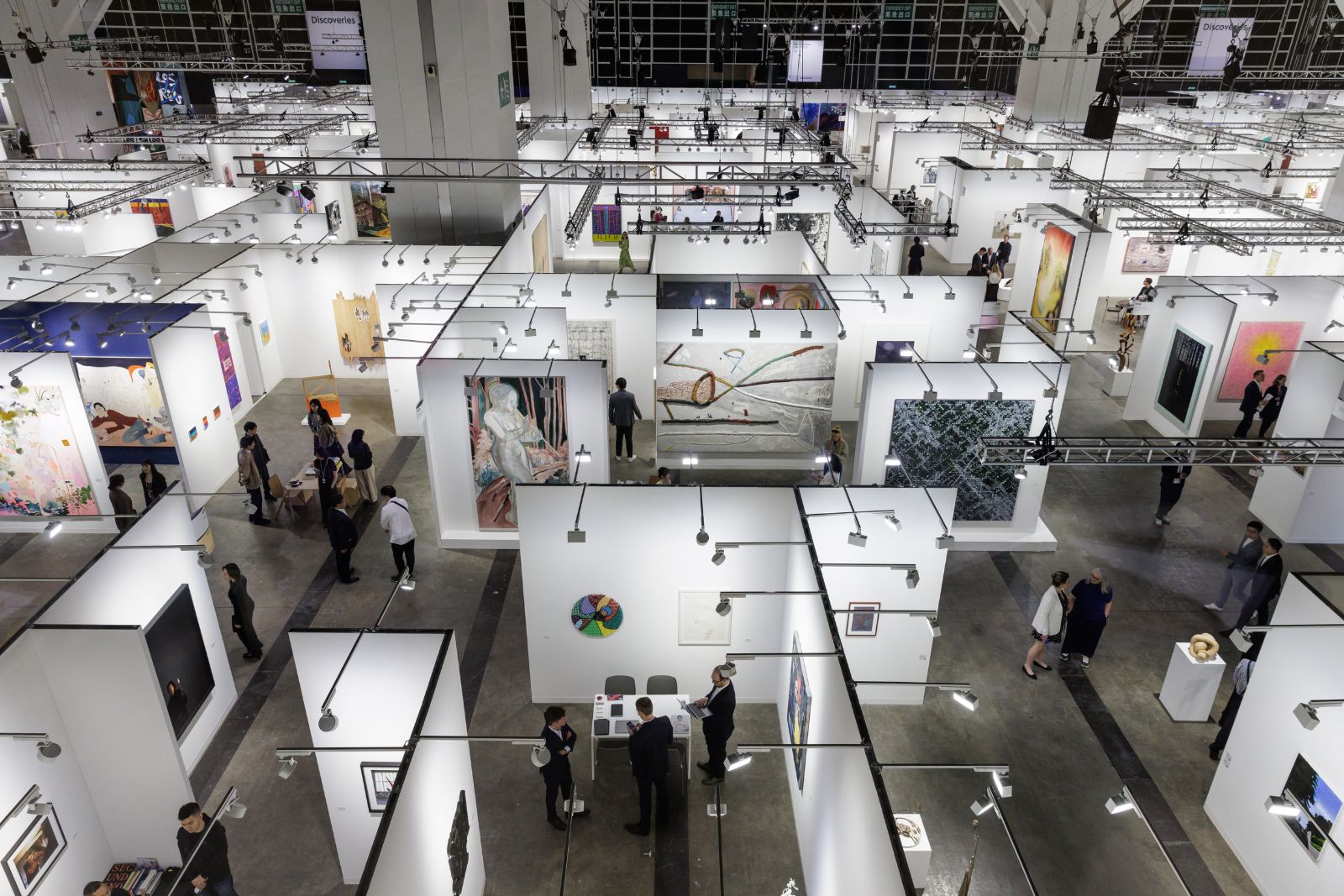
Art Basel Hong Kong is four days at the end of March and the most important art fair in Asia. Around three hundred galleries, half of them from the Asia-Pacific, and something close to a hundred thousand visitors.
It is held on the harbour front, in a building whose roof was made to look like a seabird taking off, and it exists because of a tax rule.
The Freeport
Hong Kong charges no duty on art entering or leaving the territory.
That single fact is why the city is the third largest art market in the world, behind New York and London. A dealer can bring a painting in, fail to sell it, and take it out again without paying anything. Nowhere else in Asia offers that, and the alternative jurisdictions add percentages that make holding stock expensive.
The rest assembled itself around the rule. Gagosian, White Cube, Pace, Perrotin, Hauser and Wirth and Zwirner all took premises in Central. The auction houses built their Asian operations there. The government put billions into West Kowloon and the M+ museum.
The fair is the annual expression of all that rather than the cause of it.
The Founder
It began as something else, under somebody else’s name.
Magnus Renfrew, an Englishman working in Hong Kong, launched ART HK in 2008 as a local fair with international ambitions. It worked quickly enough that in 2011 the Swiss company behind Art Basel bought a controlling stake, and in 2013 the fair opened under the Art Basel name with Renfrew as its founding director.
He left in 2015. What he did afterward is the interesting part: he went and built the competition. Taipei Dangdai in 2019, then ART SG in Singapore and Tokyo Gendai, both in 2023, all under a company of his own.
Which means the man who made Hong Kong the centre of the Asian art market spent the following decade building the fairs that argue with it. Singapore in January, Hong Kong in March, Taipei in May, Tokyo in July. The year he assembled is the year the region now keeps.
What to Know
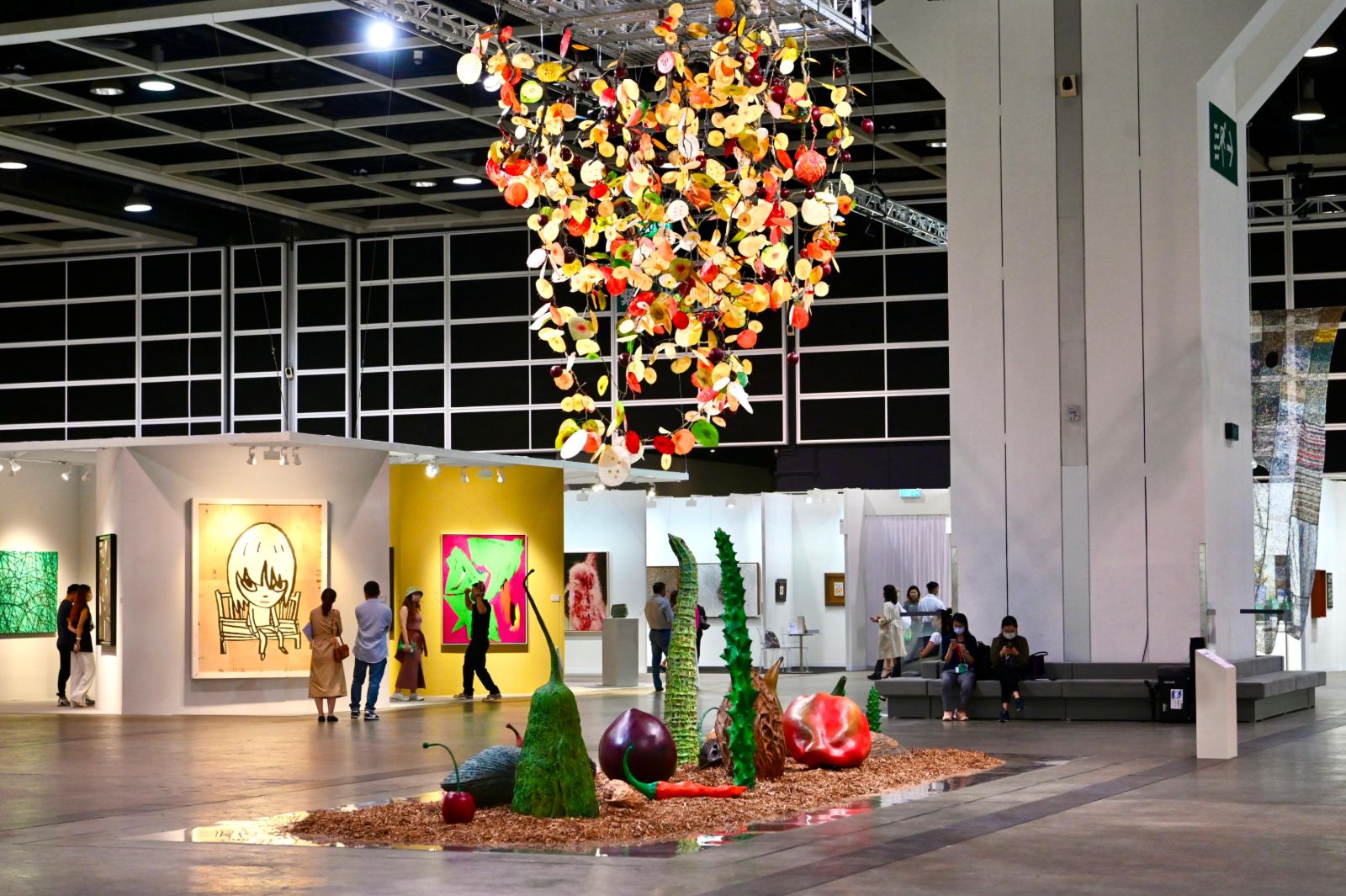
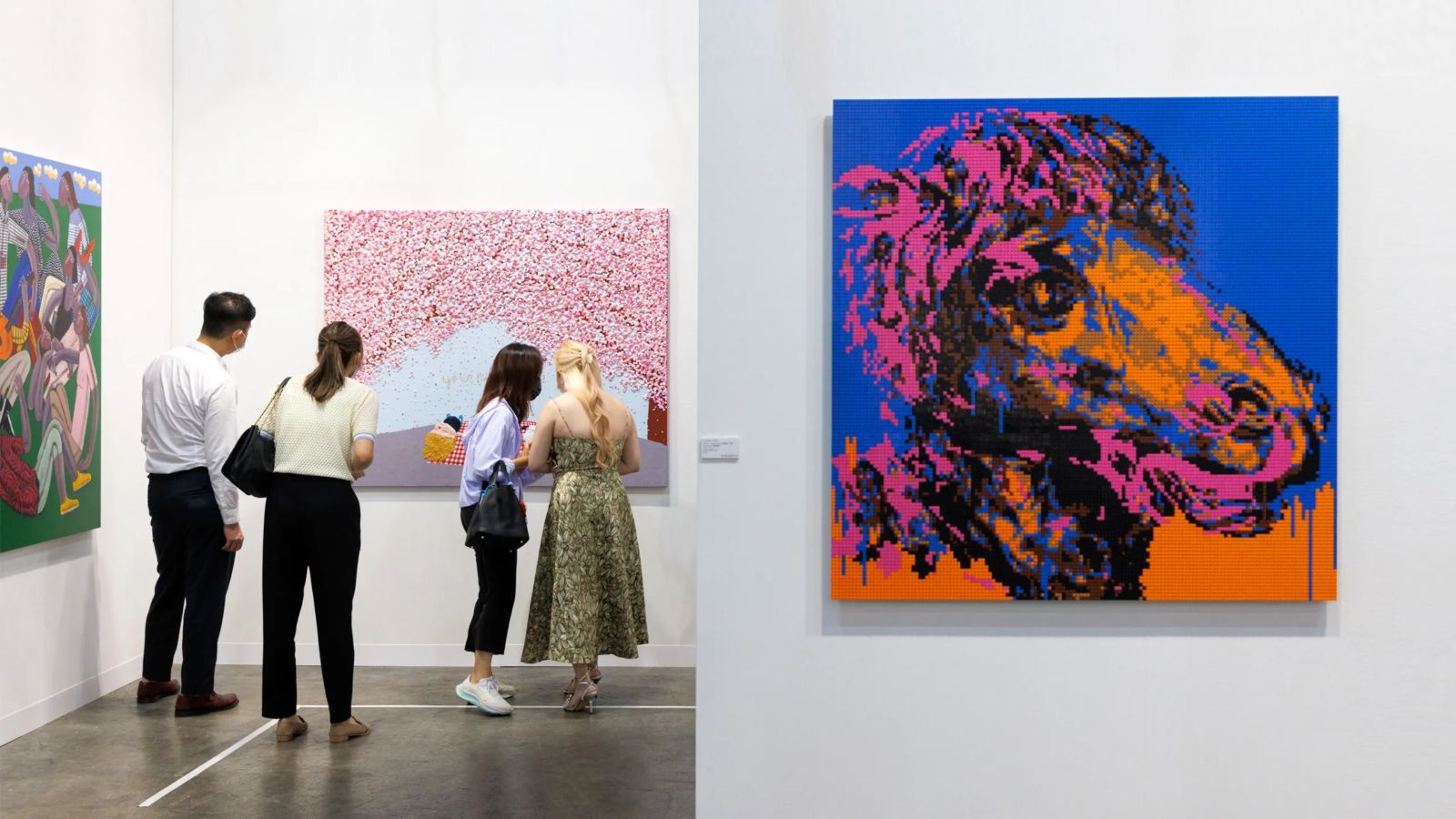
Encounters is the reason to come. It is a separate sector for work too large for a stand, installations and sculpture placed through the halls, and it is curated rather than sold from. Most fairs have nothing like it.
Half the galleries are from Asia and the Pacific, and that is the point. The Western houses show what they show everywhere. The regional galleries show work that does not travel, and it is where the fair earns its standing.
There are preview days before the public opens, and most of the selling happens in them.
March in Hong Kong is warm and humid and the harbour is at its best. The fair sits on the waterfront at Wan Chai, and Central is fifteen minutes on foot.
The Court
Art Basel Hong Kong is not the Court’s own. Preview passes, introductions to particular galleries and places at the collectors’ dinners are sought on a member’s behalf, and the Court arranges the whole of it: getting there, where to stay, and the table afterward.
