CANNES FILM FESTIVAL
Mid to Late May · Palais des Festivals, Cannes · Twelve Days · Since 1946
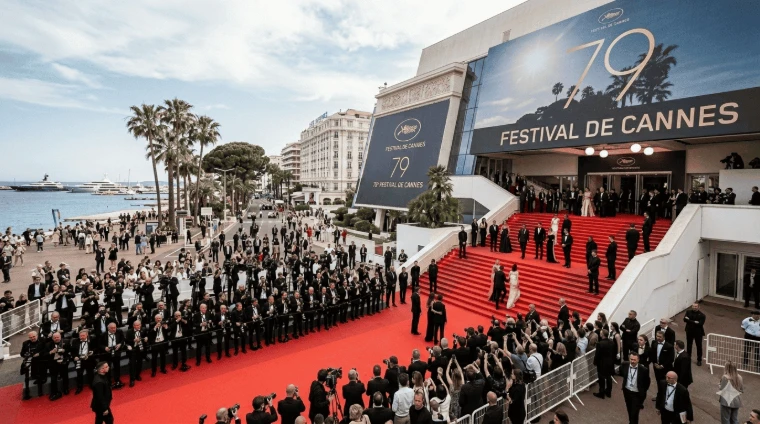
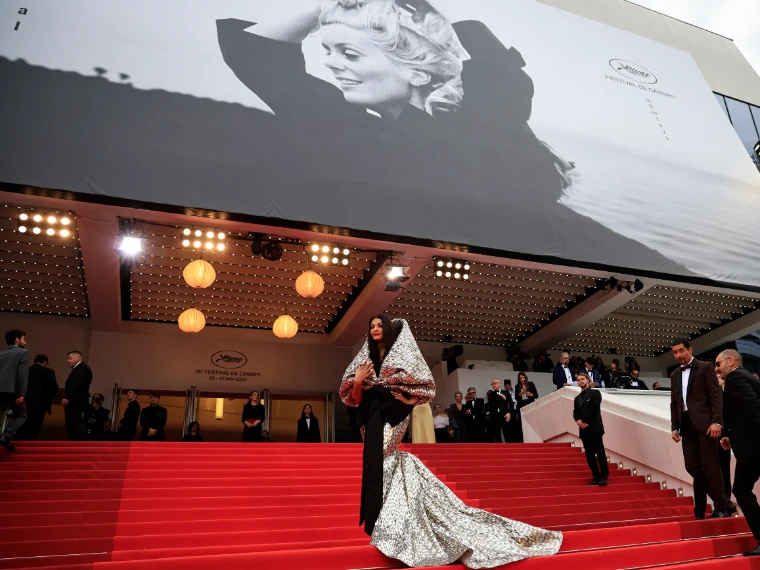
The Cannes Film Festival is twelve days in May at the Palais des Festivals, on the Croisette. Some twenty films compete for the Palme d’Or, and each evening the guests of a gala screening climb twenty-four red steps past a wall of photographers.
It is closed to the public. The public comes anyway, and watches from behind the barriers.
The Answer to Venice
Cannes was founded in answer to Venice.
In 1938 the jury at Venice, the oldest film festival in the world, meant to give its prize to an American film. Under pressure from Hitler the prize went instead to Olympia, Leni Riefenstahl’s film of the Berlin Games, shared with an Italian film. France, Britain and the United States withdrew.
Philippe Erlanger, a French official who had been there, thought on the train home of a festival to take its place, and the government took it up. Biarritz was chosen first, but Cannes won it, and the first festival was set for 1 to 20 September 1939, with Louis Lumière as its honorary president. On 1 September Germany invaded Poland, and it was called off.
It opened at last on 20 September 1946, in the town’s casino. Eleven films shared the grand prize, among them Brief Encounter, Rome, Open City and The Lost Weekend.
It was not held in 1948 or 1950, for want of money. A Palais was built for it on the Croisette in 1949, and from 1952 it was held in May. The film market that had gathered around it from the first year was made official in 1959.
The Palme
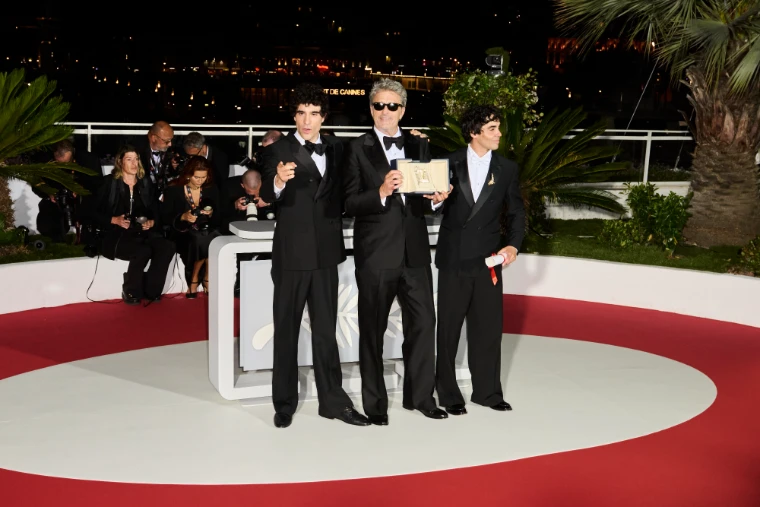
Until 1955 the prize was a Grand Prix. That year it became a palm of gold, after the palm on the town’s coat of arms. Lucienne Lazon, a Paris jeweller, made it from a sketch by Jean Cocteau, and the first went to Marty.
From 1964 to 1974 the Grand Prix came back, and in 1975 the palm returned for good. Since 1998 Chopard has made it: eighteen-carat gold, on a cushion of cut crystal.
In 1968 nobody won it. France was on strike, and on 18 May Truffaut, Godard and others occupied the Palais. Members of the jury resigned, and Carlos Saura held the curtains shut against the screening of his own film. The next day the festival was stopped.
In 2026 the Palme went to Cristian Mungiu, for Fjord. It was his second.
The Steps
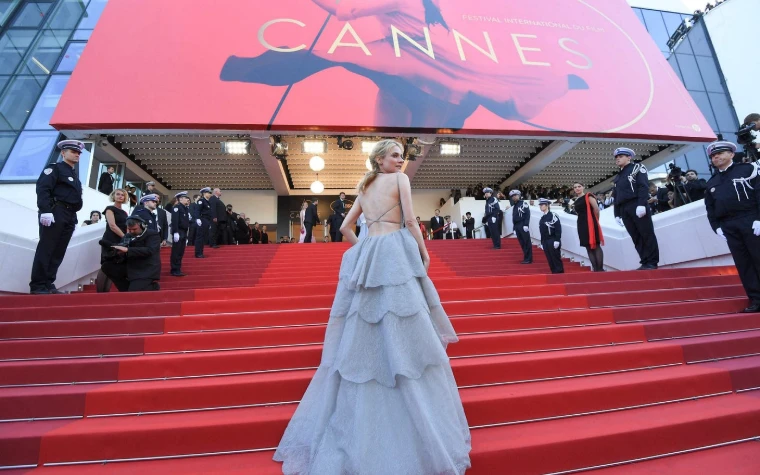
The Palais the festival uses now was finished in 1983, at the end of the Croisette by the old port. The climb up its steps is the festival’s ceremony, and the festival receives each film’s team at the top.
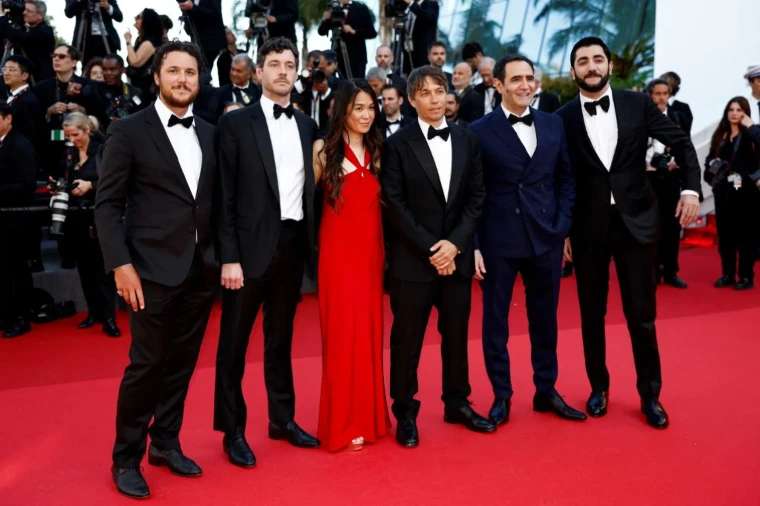
The dress for the evening screenings in the Grand Théâtre Lumière is set by the festival, and kept at the foot of the steps: evening dress, and no trainers. In 2015 women in flat shoes were turned away from a premiere, and the festival said its rules had never asked for heels. They now allow shoes with or without one.
Selfies on the steps were banned in 2018. In 2025 the festival banned nudity on the carpet, and trains too long for the traffic.
What to Know
It runs from a Tuesday to the Saturday of the following week, and the Palme d’Or is given on the last night.
The festival is for the trade. Admission is by accreditation, and the evening screenings are by invitation. Its tickets are free, and selling them is forbidden.
Black tie in the evening.
The public has the Croisette, and the films on the beach: Cinéma de la Plage, on Macé beach opposite the Majestic, at half past nine each evening, free to anyone.
The hotels on the Croisette are taken for the whole twelve days, and rooms are best settled in the winter.
The mistake is to spend the festival on the Croisette. The crowd there is waiting for the steps, and the steps can be watched from anywhere.
The Court
The Cannes Film Festival is not the Court’s own, and the Court will not pretend it can send a member up the steps of the Palais. The invitations are given by the festival and by the films’ own teams, and they are not for sale. For a member who is asked, the Court arranges the whole of the stay: getting there, where to stay on a coast that is full, and the table afterward.
How one becomes a member is set out under Admission.
Set down September MMXXVI