

THE QUADRILLE BALL
Early February · The Plaza, New York · An Evening · Since 1961
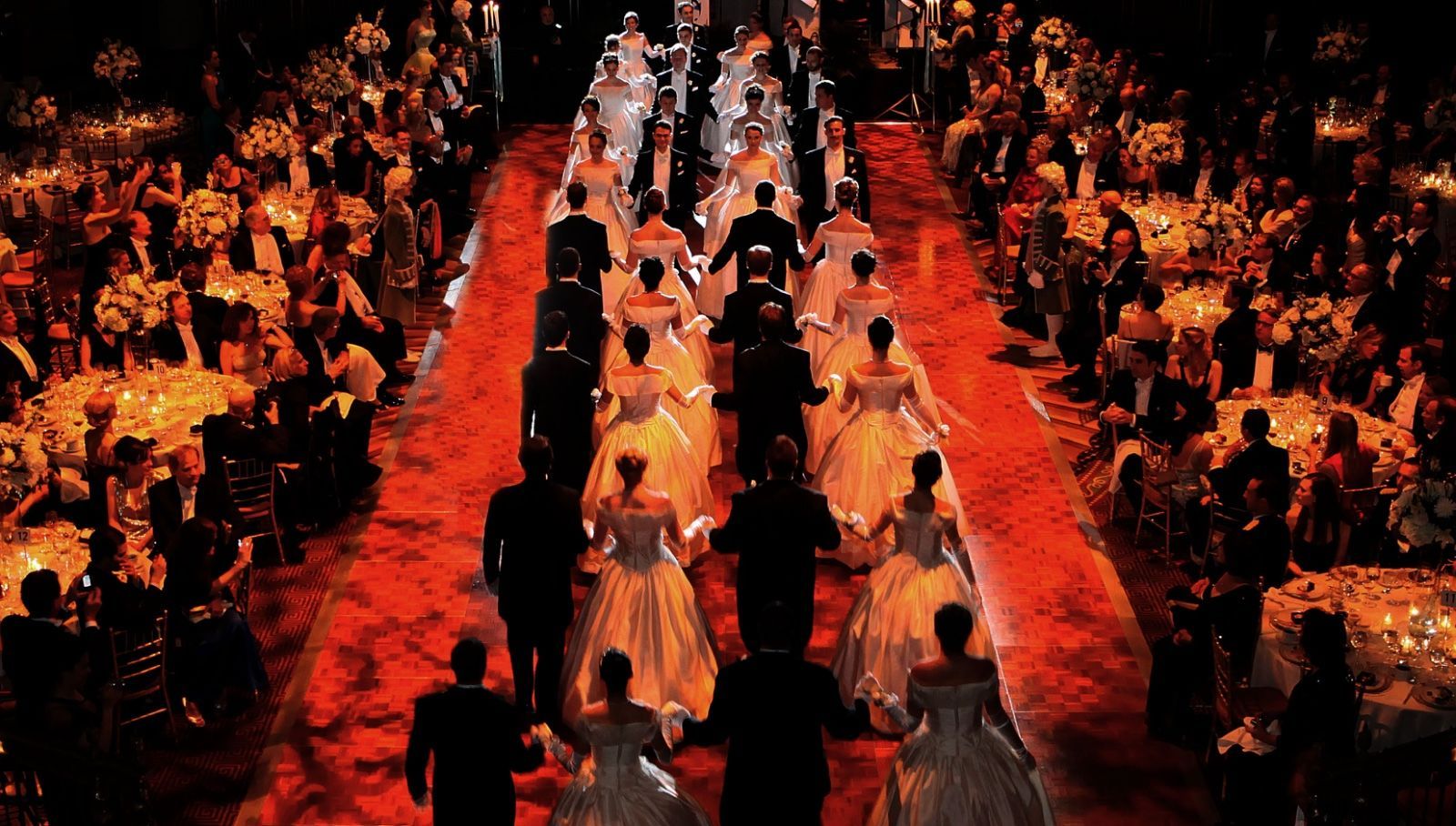
The Quadrille Ball is a white tie evening at the Plaza in early February, given for German-American friendship and paid out in scholarships. Some two dozen students go to university on the proceeds each year.
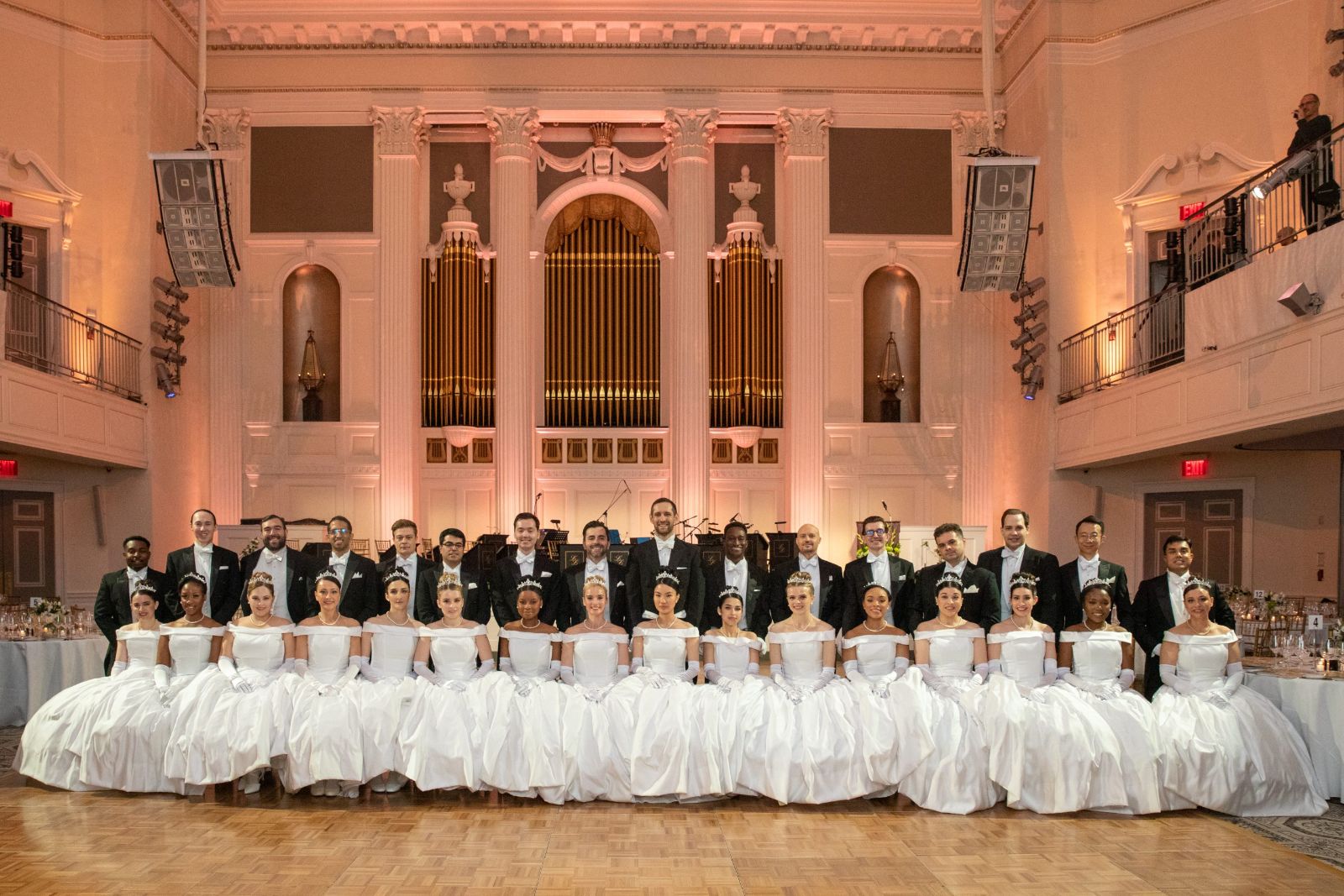
The dance it is named for is performed by volunteers in their twenties who have rehearsed for months.
The Interruptions
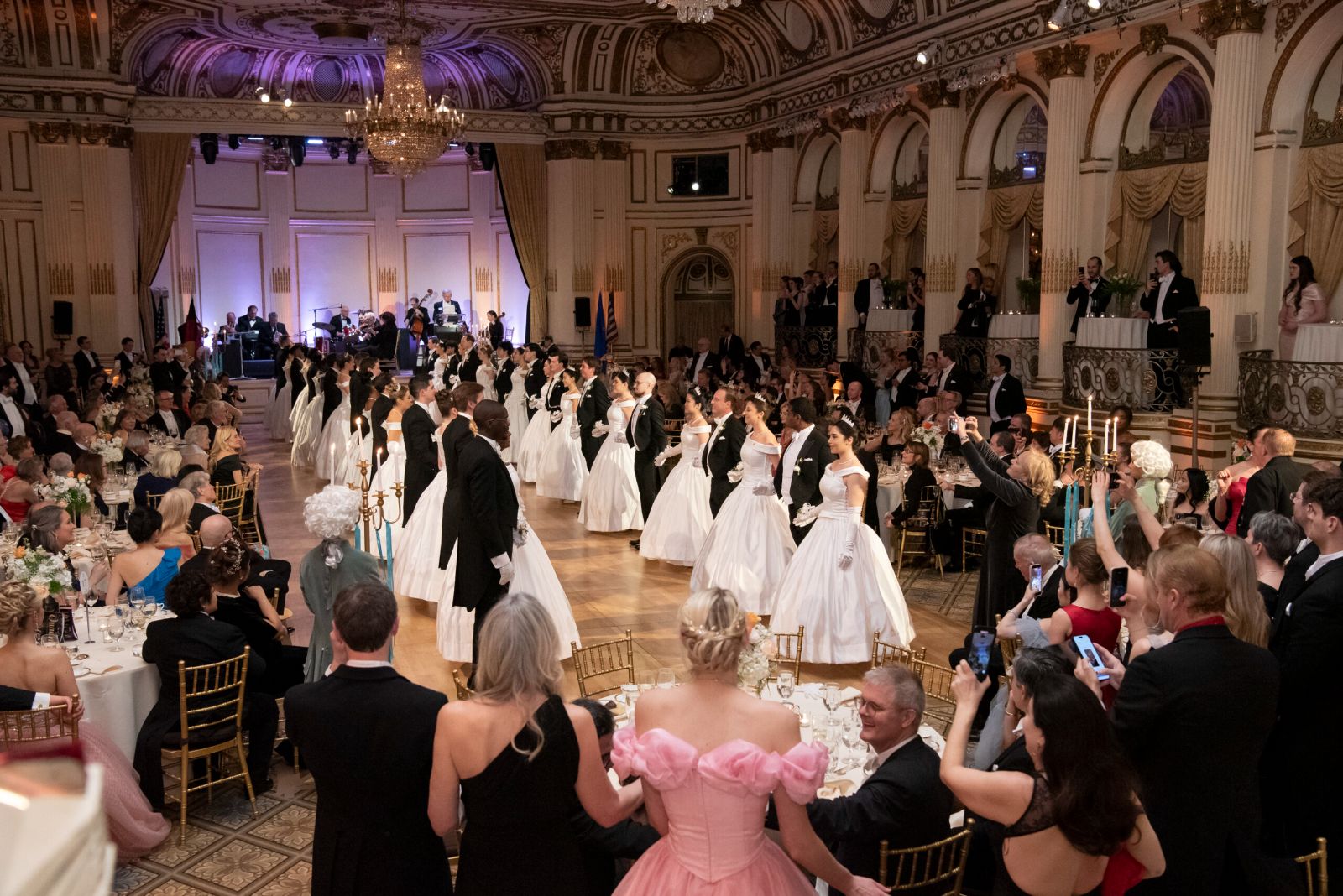
German charity balls were a fixture of the New York season for most of the nineteenth century, held first at the Academy of Music and then at the Metropolitan Opera House, where the first was given in February 1890. They moved on to the Waldorf, and then to the Astor.
They stopped in 1917, when the two countries went to war.
They resumed in the thirties as the Snow Balls, given for Lenox Hill Hospital, which had been the German Hospital until the name became difficult. Then the second war stopped them again.
In 1960 five people met in a lawyer’s office and decided to start it once more. The first Quadrille Ball was held in January 1961. Its honorary chairman was General Lucius Clay, who had commanded the American occupation of Germany and organised the Berlin airlift. Its guest of honour was Louis Ferdinand of Prussia, grandson of the last Kaiser.
A ball twice stopped by war between two countries, restarted by the American general who had governed one of them and the heir to the throne of the other. There is nothing else like it on this calendar.
The Dance
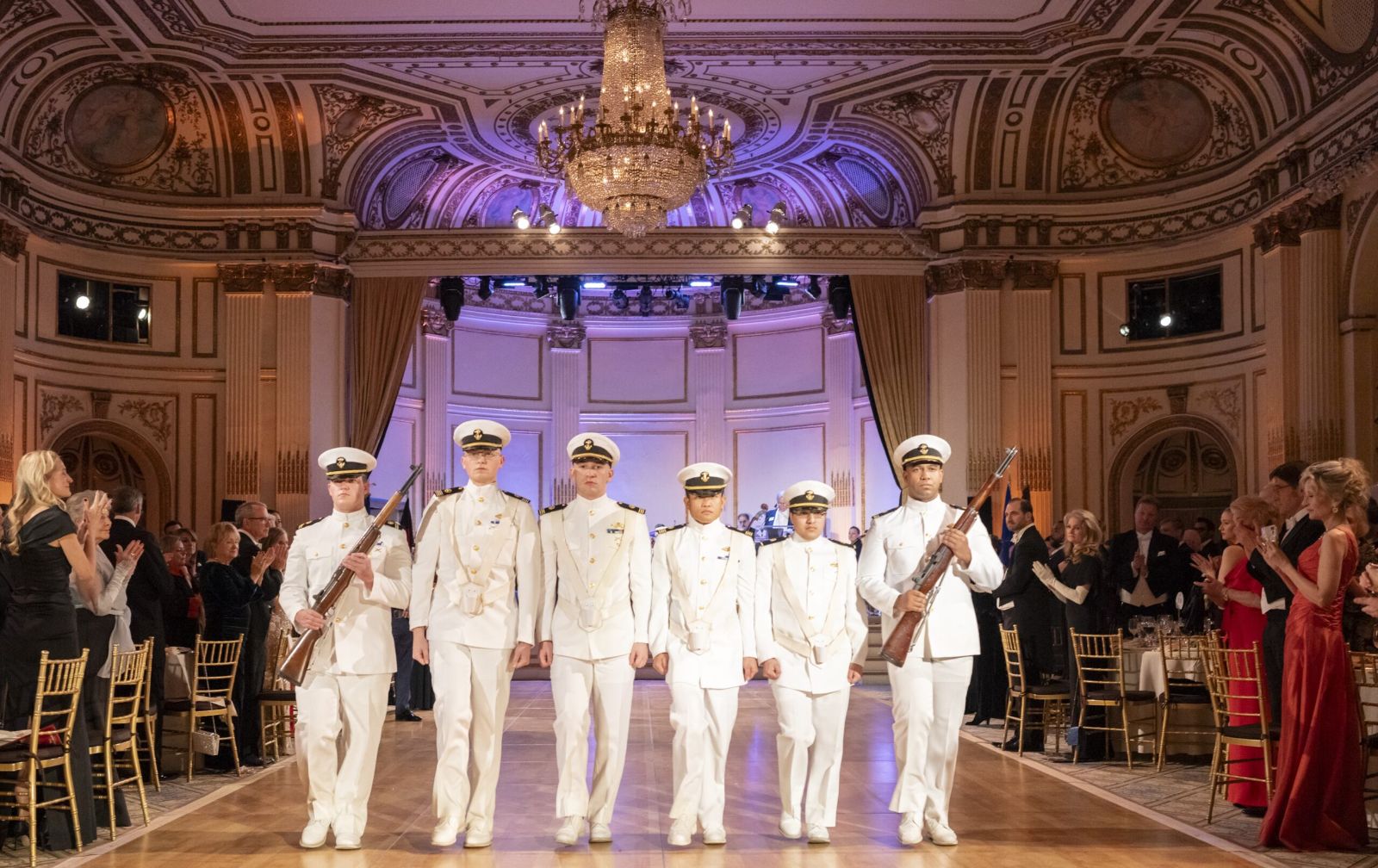
The quadrille is a square dance for four couples. It came out of the French court into the ballrooms of Europe in the early nineteenth century, and went out of fashion everywhere except here.
It is danced by volunteers, generally in their twenties, paired as couples and rehearsed for months beforehand. They are not debutantes in the usual sense. There is no presentation and nobody is walked across a floor by a father. The dance is the point rather than the people performing it.
What to Know
White tie. It is stated plainly and it is meant.
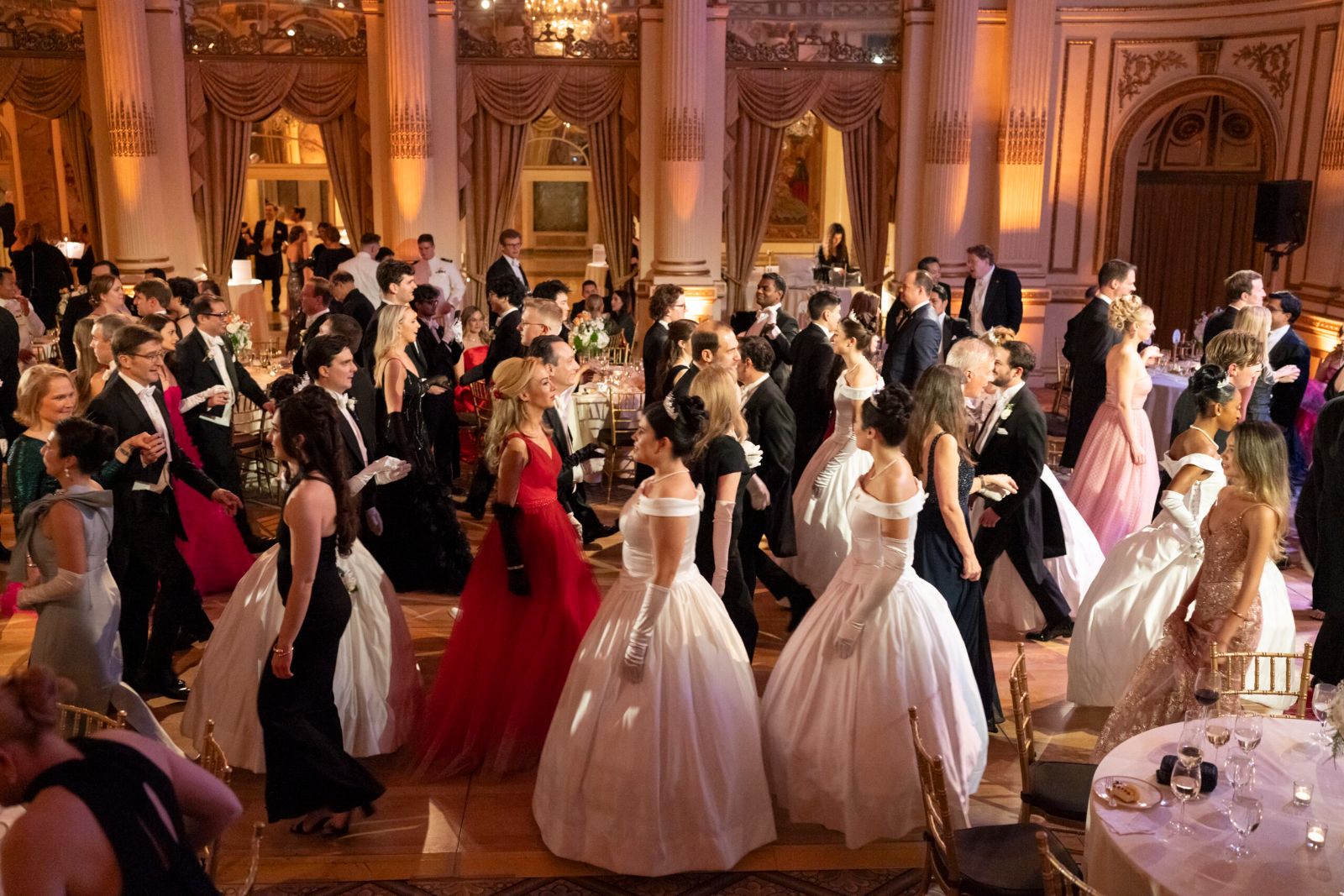
The evening runs to a form: cocktails in the Terrace Room, dinner in the Grand Ballroom, the quadrille, dancing to a live orchestra, and a late supper elsewhere for those still standing.
You need not be German or American. The room runs to diplomats, bankers, and people who studied on the scholarships and came back.
Places are taken by table and by patronage, and the levels are published in advance.
The mistake is arriving for the dinner. The quadrille is the reason the thing exists, and anyone who comes late has missed it.
The Court
The Quadrille Ball is not the Court’s own. Tables, patronage and seating are sought on a member’s behalf, and the Court arranges the whole of the evening: getting there, where to stay, and the table afterward.
