
THE VENICE BIENNALE
April or May, in Alternate Years · Giardini and Arsenale · Spring to Autumn · Since 1895
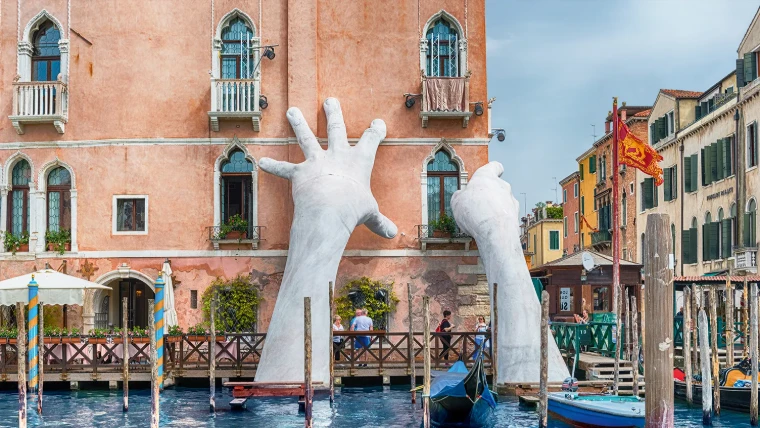
The Venice Biennale is the oldest international exhibition of contemporary art, and the one the rest are measured against. It runs from spring to autumn in alternate years, in the public gardens at the eastern end of the city and in the old naval shipyard beside them.
Countries send artists to it the way they once sent ambassadors.
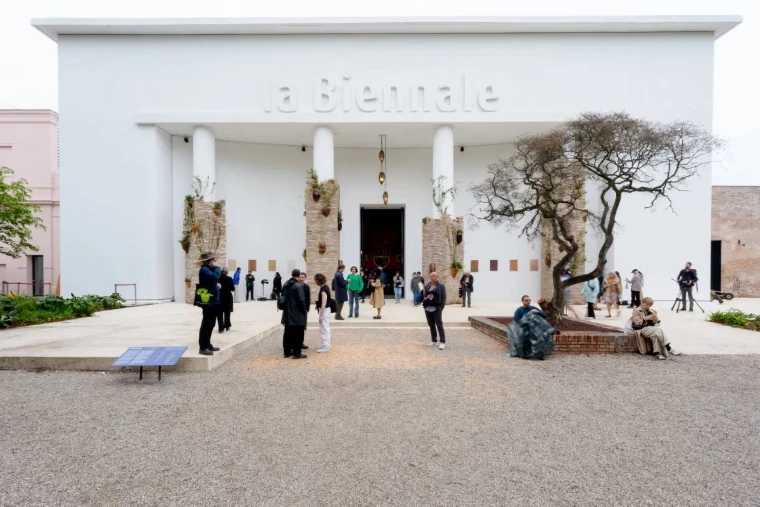
The Gardens
It began in a café. Riccardo Selvatico, a poet who became mayor of Venice, wanted to turn the evenings artists spent arguing at the Caffè Florian into an exhibition the world would come to. The city council voted for one in 1893, to mark the silver wedding of King Umberto and Queen Margherita, and it opened, a year behind schedule, in April 1895, in the presence of the King and Queen. More than two hundred thousand people came.
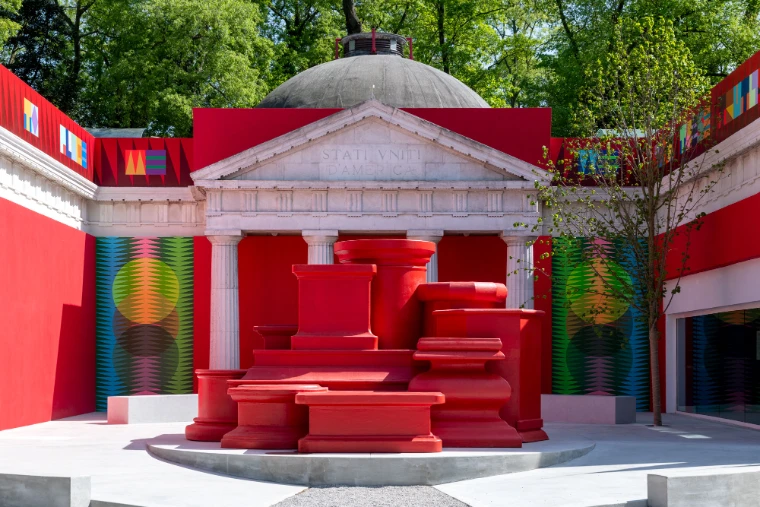
It was held in the Giardini, the public gardens laid out on Napoleon’s orders at the end of the city. In 1907 Belgium built a pavilion there of its own, and within a few years Hungary, Germany, Britain and France had followed. Each nation owns its building, keeps it up, and chooses who shows in it, and the choice has always been read as a statement about the country as much as the art.
The pavilions are a history of architecture in themselves. Josef Hoffmann built Austria’s, Gerrit Rietveld the Netherlands’, Alvar Aalto Finland’s.
In 1964 Robert Rauschenberg became the first American to win the Biennale’s Grand Prize for painting, and the art world took it as the moment its capital moved from Paris to New York.
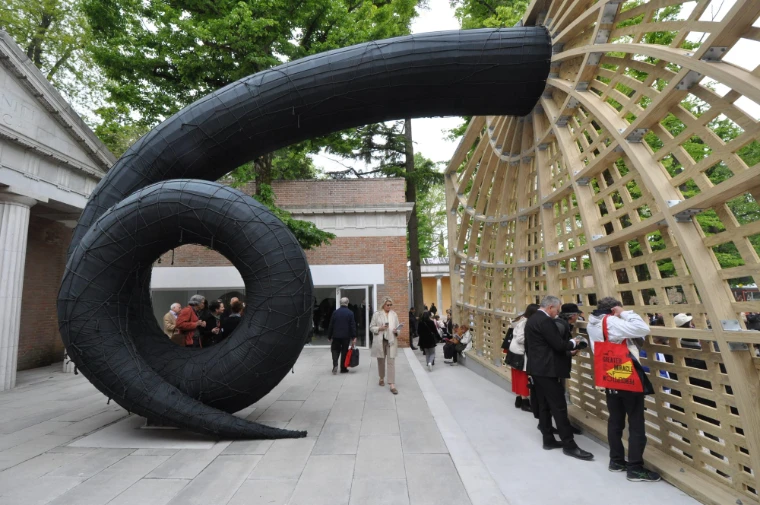
The Arsenale
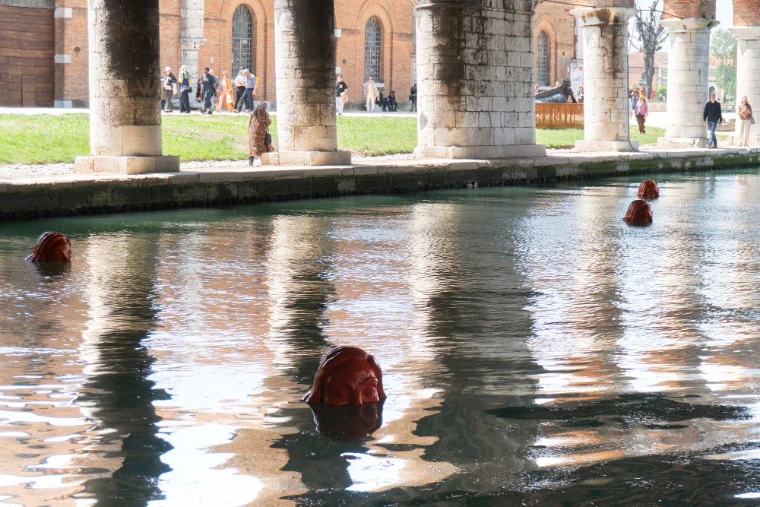
The Arsenale was the shipyard that made Venice a power: a walled industrial city inside the city, where galleys were fitted out in sequence along its canals centuries before anyone had a word for the assembly line. Dante saw the caulkers there boiling pitch through the winter and put the scene in hell.
The Biennale first used it in 1980. The Corderie, where the navy’s rope was spun, is a single hall more than three hundred metres long. The international exhibition, chosen each time by a different curator, begins in the Central Pavilion in the gardens and runs the length of it.
Beyond the two sites, the city exhibits too. Countries without a pavilion in the gardens take palazzi and churches, and collateral exhibitions fill most of what remains.
What to Know
The days before it opens to the public, when the pavilions are shown to the art world, are the ones that matter to those in it. The city fills for them, and the Golden Lions are given at the end of them.
In the years between, the same grounds hold the Architecture Biennale.
It is a great deal of walking, and Venice has no other way. The gardens and the Arsenale take two days to see properly, and the city’s share takes longer.
The Save Venice Ball, in New York the same spring, raises money for the city’s restoration.
The Court
The Venice Biennale is not the Court’s own. Passes for the days before it opens, and invitations to the pavilions’ receptions and the palazzo dinners that go with them, are sought on a member’s behalf, and the Court arranges the whole of the visit: getting there, where to stay, a boat for the length of it, and the table afterward.
How one becomes a member is set out under Admission.
Set down September MMXXVI