

HAUTE COUTURE WEEK
Late January · Paris · Five Days · Since 1945
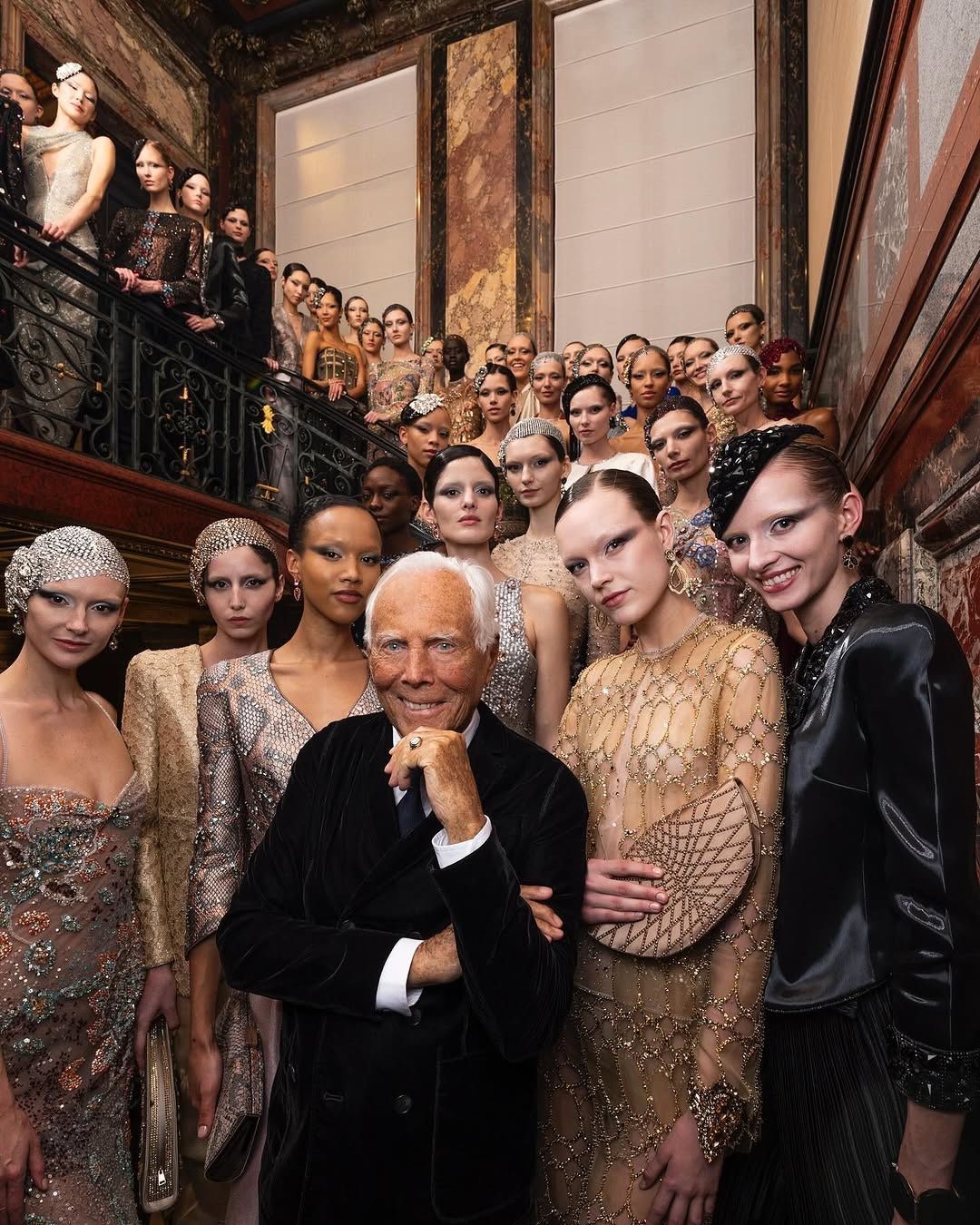
Haute Couture Week runs twice a year in Paris, in January and again in July. Around thirty houses show, and almost nobody may attend. There are no tickets. Every seat in every room is given, and the front rows are clients.
What is shown is not sold from a rail. A garment is ordered afterward, made to the body of the woman who ordered it, and delivered some months later.
The Appellation
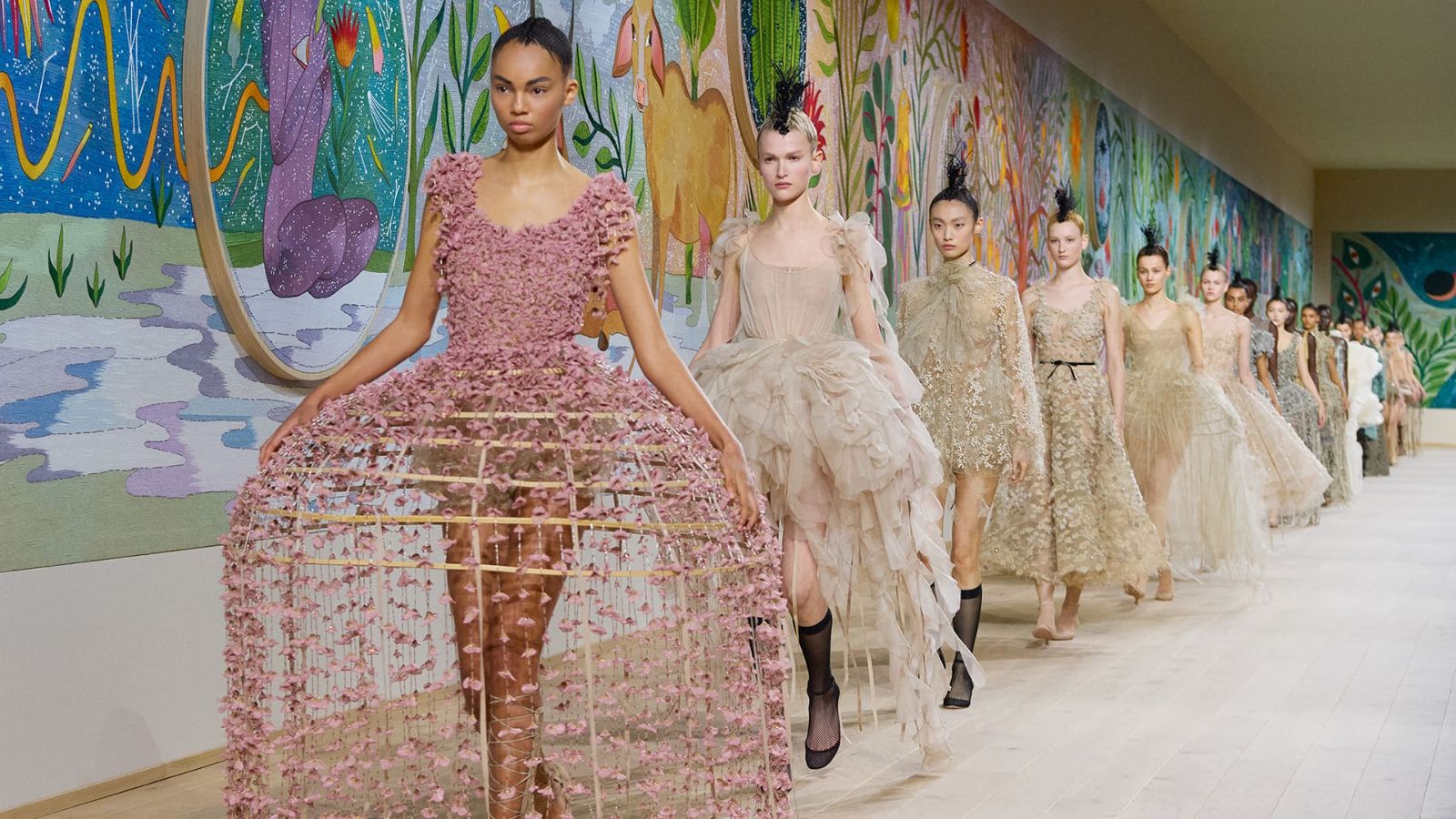
Haute couture is not a description. It is a legal term, protected in France since a ministerial decision of 23 January 1945, and it may be used only by houses on a list drawn up each year by a commission sitting at the Ministry for Industry.
The list is redrawn annually. A house that held the appellation last year must apply again, and may lose it.
The conditions are exacting. A house must maintain an atelier in Paris employing a stated minimum of people. It must make to order for private clients, with fittings. And it must present a collection of original designs each season, thirty-five of them since the rules were eased in 2001, and fifty before that.
The effect is that no house outside this list may call its clothes haute couture in France, whatever it charges for them.
The Houses
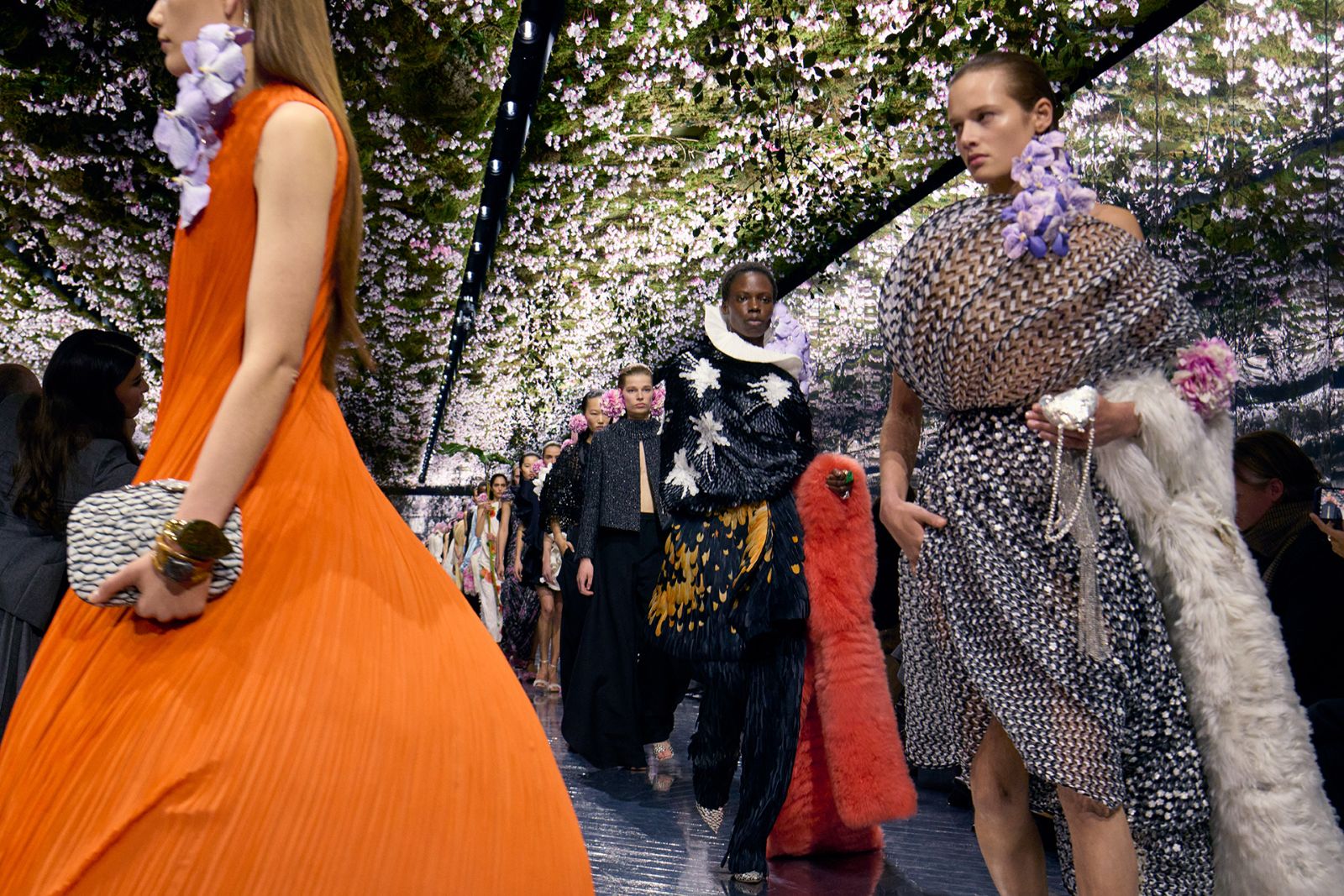
There were a hundred and six approved houses in 1946. Sixty by 1952. Nineteen by 1970. Today the permanent members number around fifteen, and the calendar is filled out by two further categories.
Correspondent members are foreign houses invited to show. Guest members are newer houses invited each season, who may use the word couture but not haute couture, and who may apply for permanent standing after several years of showing.
The trade body behind all of it was founded in 1868 at the instigation of Charles Frederick Worth, an Englishman in Paris who is usually credited with inventing the fashion house as such. It runs a school as well, founded in 1927, which still trains the hands the ateliers depend on.
What to Know
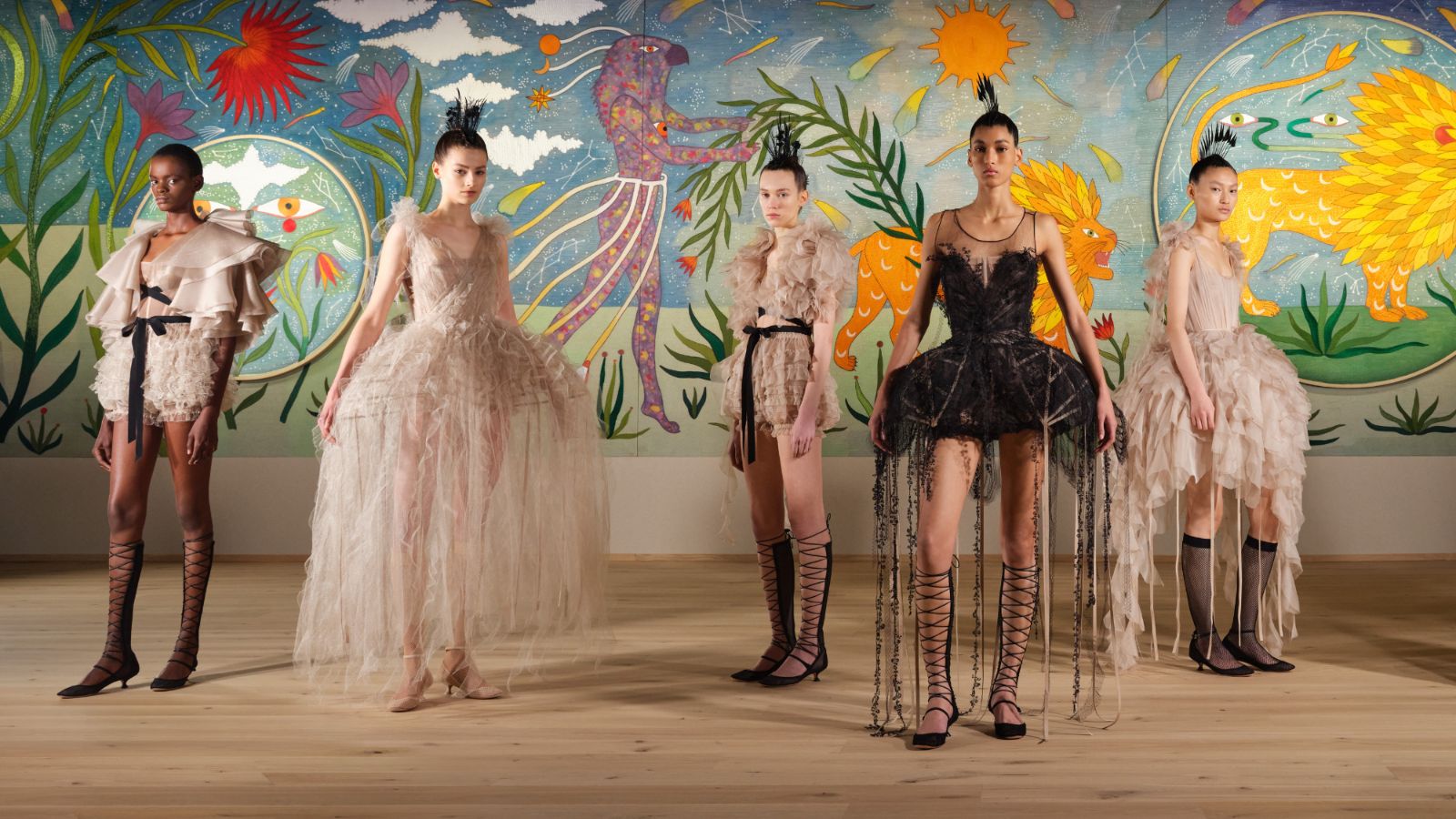
A couture client is fitted several times for a single garment. Houses keep a form made to the client’s measurements so that work can continue between visits, which means the house holds a copy of your body in a room in Paris.
The customer base is famously small. It is a business of a few thousand women worldwide, sustained by a few hundred.
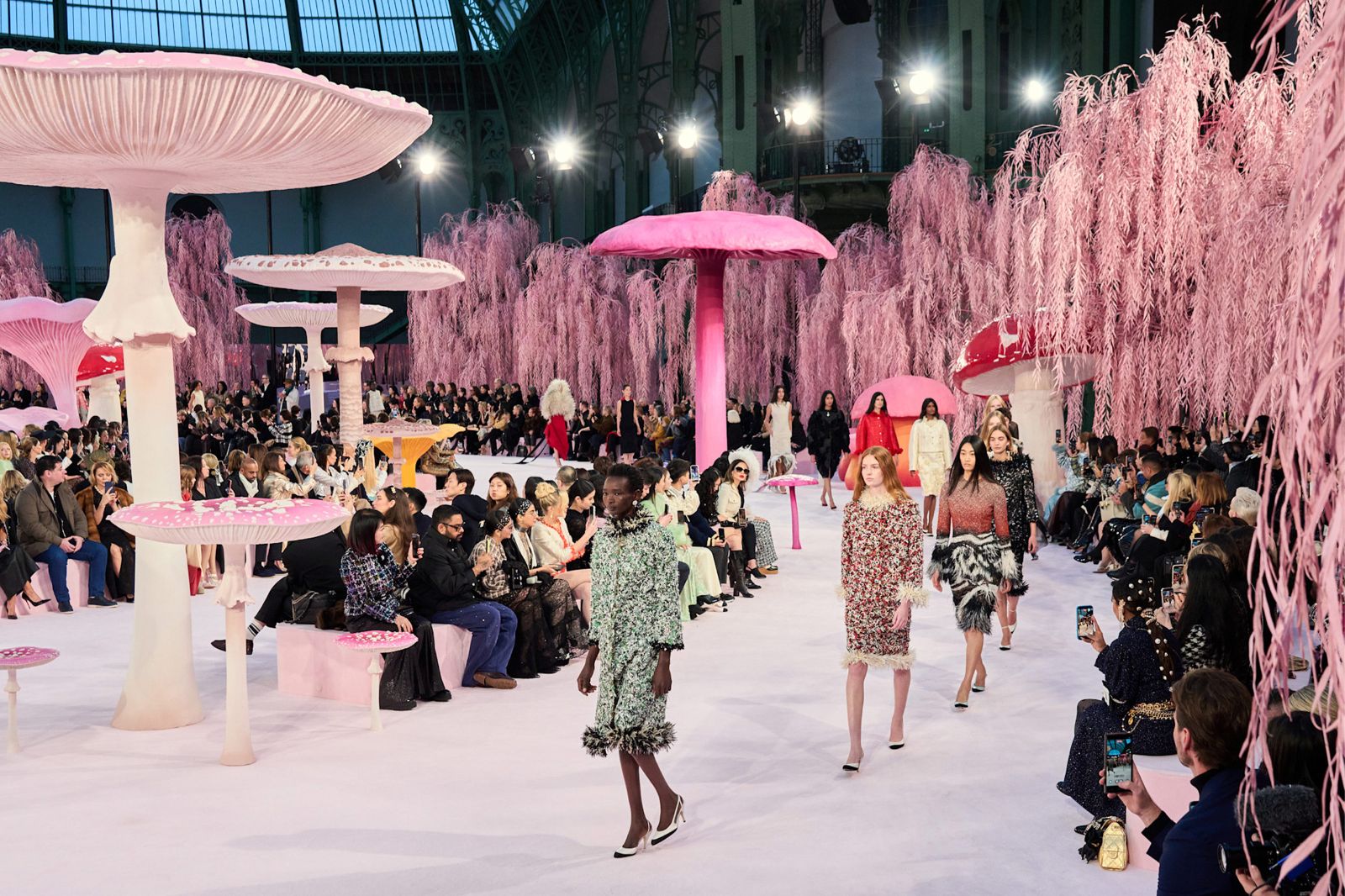
The shows themselves are short, often under fifteen minutes, and are staged in hôtels particuliers, museums and private gardens rather than in tents. The venue is usually the second thing people talk about.
January shows spring and summer. July shows autumn and winter. It is the reverse of what a newcomer expects, and it is because the clothes take months to make.
The mistake is thinking of couture as expensive clothing. It is a workshop system kept alive by the houses at a loss, because it is where the techniques are held and where the ready-to-wear gets its authority.
The Court
Haute Couture Week is not the Court’s own, and the Court will not pretend it can seat a member at a show. Those rooms belong to the houses and their clients.
What the Court arranges is the week around them: appointments at the ateliers, the exhibitions that run alongside, and the tables where the week is actually discussed. Getting there, where to stay, and the table afterward are sought on a member’s behalf as usual.
