

PARIS FASHION WEEK, MENSWEAR
Late January · Paris · Six Days · Since 1973
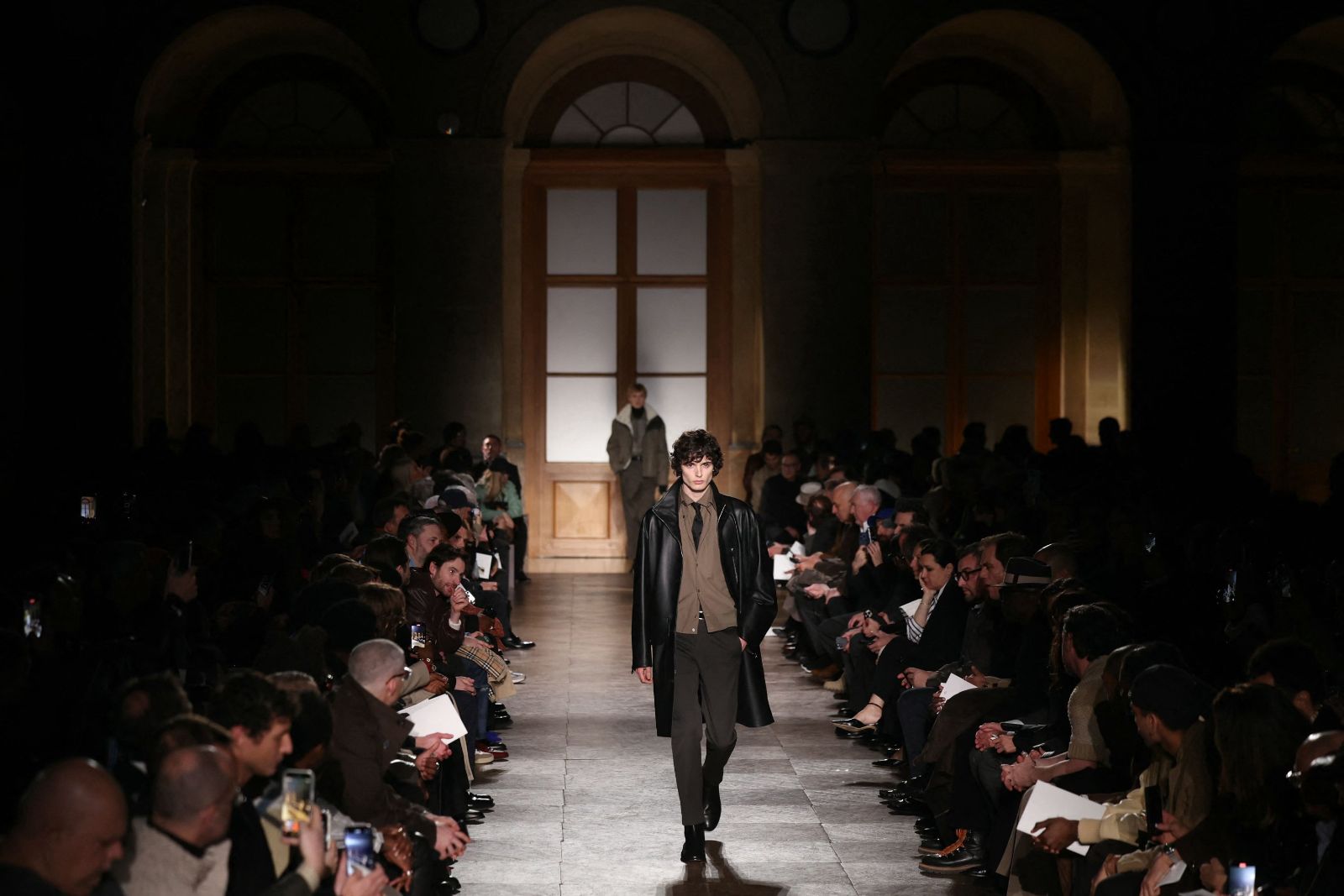
Paris Fashion Week Menswear runs for six days in the second half of January, and it opens the fashion year. Around seventy houses show, roughly half of them on a runway and the rest by presentation.
Every seat is given. There are no tickets.
The Separation
Menswear was not shown this way until recently. Before the 1970s it moved through trade fairs, where buyers examined samples on rails and nobody staged anything.
The Chambre Syndicale de la Mode Masculine was created in October 1973 and put on the first organised men’s fashion week. The presentations were formally separated from the women’s calendar in 1984, once it was clear that menswear was a business in its own right rather than an appendix to one.
The body above it traces itself to 1868, and to Charles Frederick Worth, an Englishman in Paris generally credited with inventing the fashion house.
The Position
Paris shows last, and that is deliberate. London first, then Milan, then Paris, positioned as the conclusion of the European menswear season rather than a stop within it.
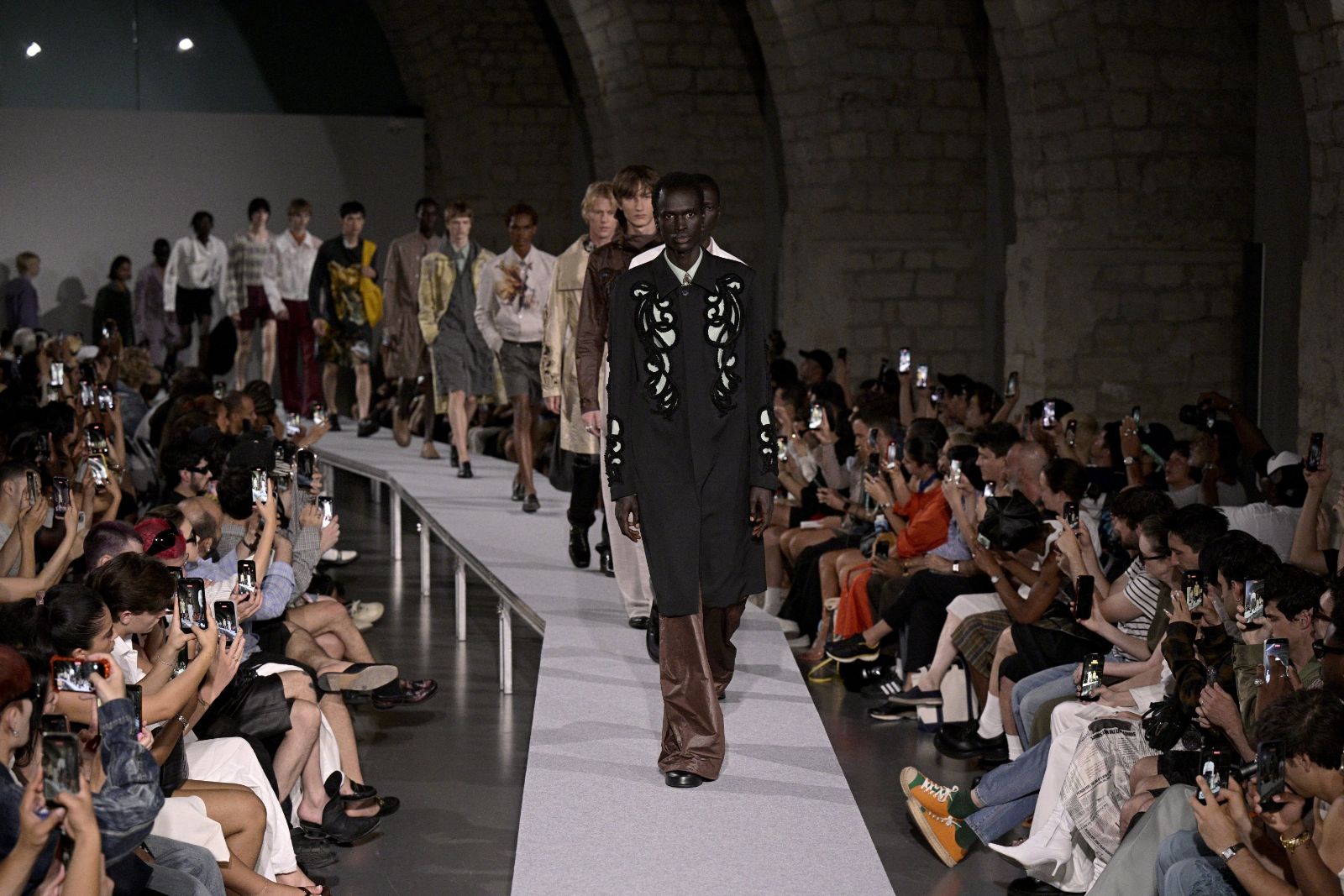
The consequence is that Paris can afford to be conceptual where the others must be commercial. Milan sells. London experiments. Paris does the thing that gets discussed for six months and copied for two years.
It is also the smaller of the Paris weeks. Fewer shows, a tighter crowd, and more attention on each of them than the womenswear editions can manage.

What to Know
Haute Couture Week follows immediately. In most years the menswear calendar closes on a Sunday and couture opens on the Monday, which means the two can be taken as a single journey. Very few people outside the industry realise this.
The official calendar is not published until two or three weeks beforehand. Nothing can be planned far ahead except the dates.
Shows are short. Twelve to fifteen minutes is usual, and the venue is frequently discussed more than the clothes.
The mistake is thinking of it as a smaller version of the September shows. It is a different audience and a different kind of collection, and several houses do their most interesting work here.
The Court
Paris Fashion Week Menswear is not the Court’s own, and the Court will not pretend it can seat a member at a show. Those rooms belong to the houses.
What the Court arranges is the week around them: appointments at the houses, the showrooms that open alongside the calendar, and the tables where the collections are actually argued about. Getting there, where to stay, and the table afterward are sought on a member’s behalf as usual.
