

LONDON FASHION WEEK
February and September · London · Five Days · Since 1983
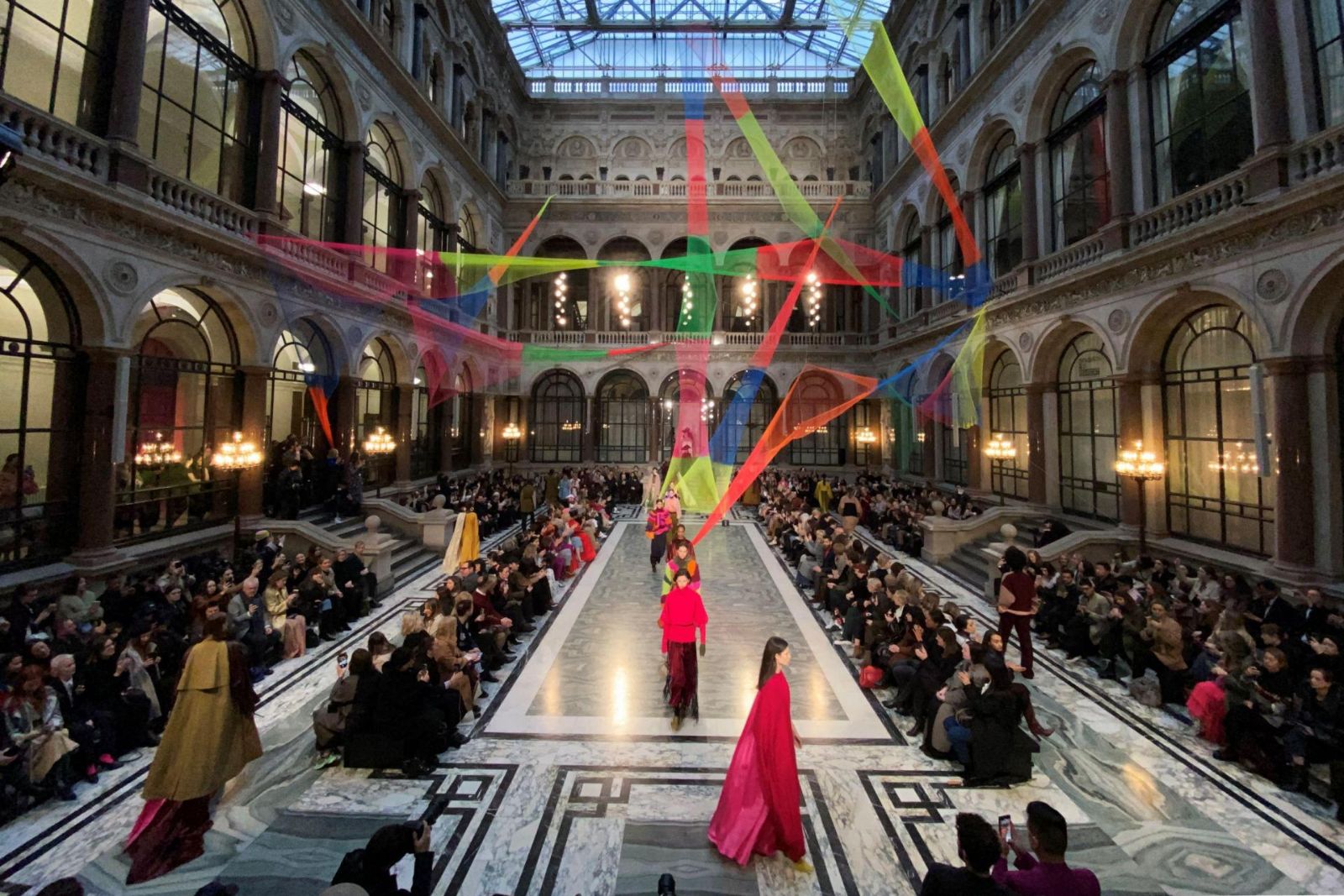
London Fashion Week shows in February and September, and it is the smallest of the four great fashion weeks. It is also the one the other three depend on.
Every seat is given. There are no tickets.
The Car Park
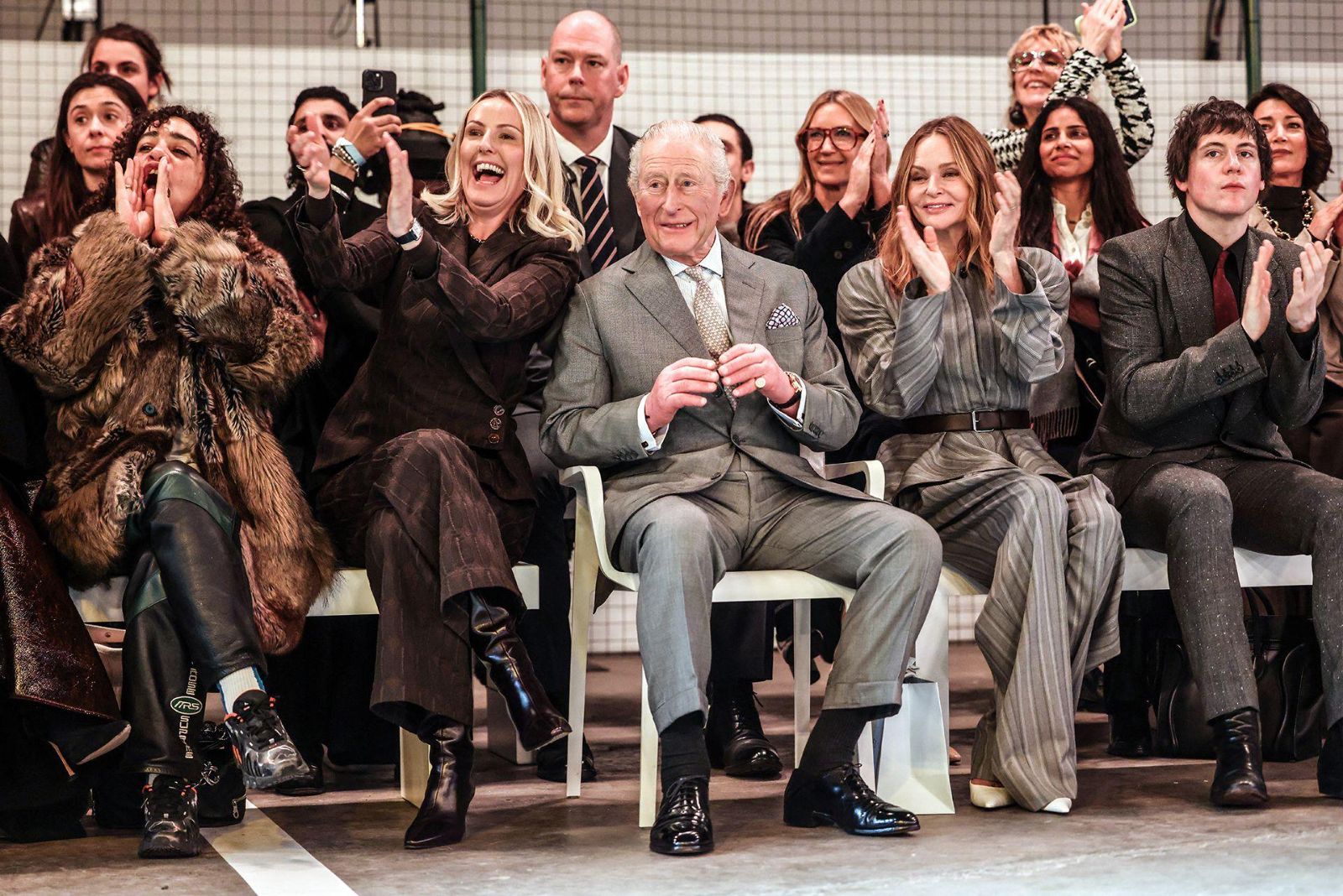
The British Fashion Council was formed in January 1983 to give British designers a stage, and the first London Fashion Week followed. Fifteen catwalk shows, held in the car park of the Commonwealth Institute in Kensington.
Vivienne Westwood showed. So did Betty Jackson and Ghost. A recent graduate of Central Saint Martins named John Galliano put out his degree collection.
The recession at the end of that decade nearly finished it. Government funding was cut, the number of shows collapsed, and by the early nineties London was in danger of ceasing to matter.
What saved it was a scheme called New Generation, begun in 1993 to give young designers somewhere to show. One of the first to take it was a twenty-three-year-old from the East End named Lee McQueen, who presented a collection at the Ritz that a biographer later called a ramshackle circus, and which introduced a pair of trousers cut so low they changed the decade.

The Pipeline
London’s position among the four is not commercial. Paris and Milan sell more in a morning than London sells in a week.
What London has is Central Saint Martins, a few streets from King’s Cross, and the pipeline running out of it. McQueen. Galliano. Stella McCartney. Sarah Burton. Phoebe Philo. Christopher Kane. Grace Wales Bonner. Kim Jones.
Nearly every creative director sitting in a French or Italian house learned the work in London and then left. That is the trade London makes: it produces the talent and the others employ it, and the week exists to show what is coming rather than what is selling.
The NEWGEN scheme still runs, and still puts unknown names on a schedule beside Burberry.
What to Know
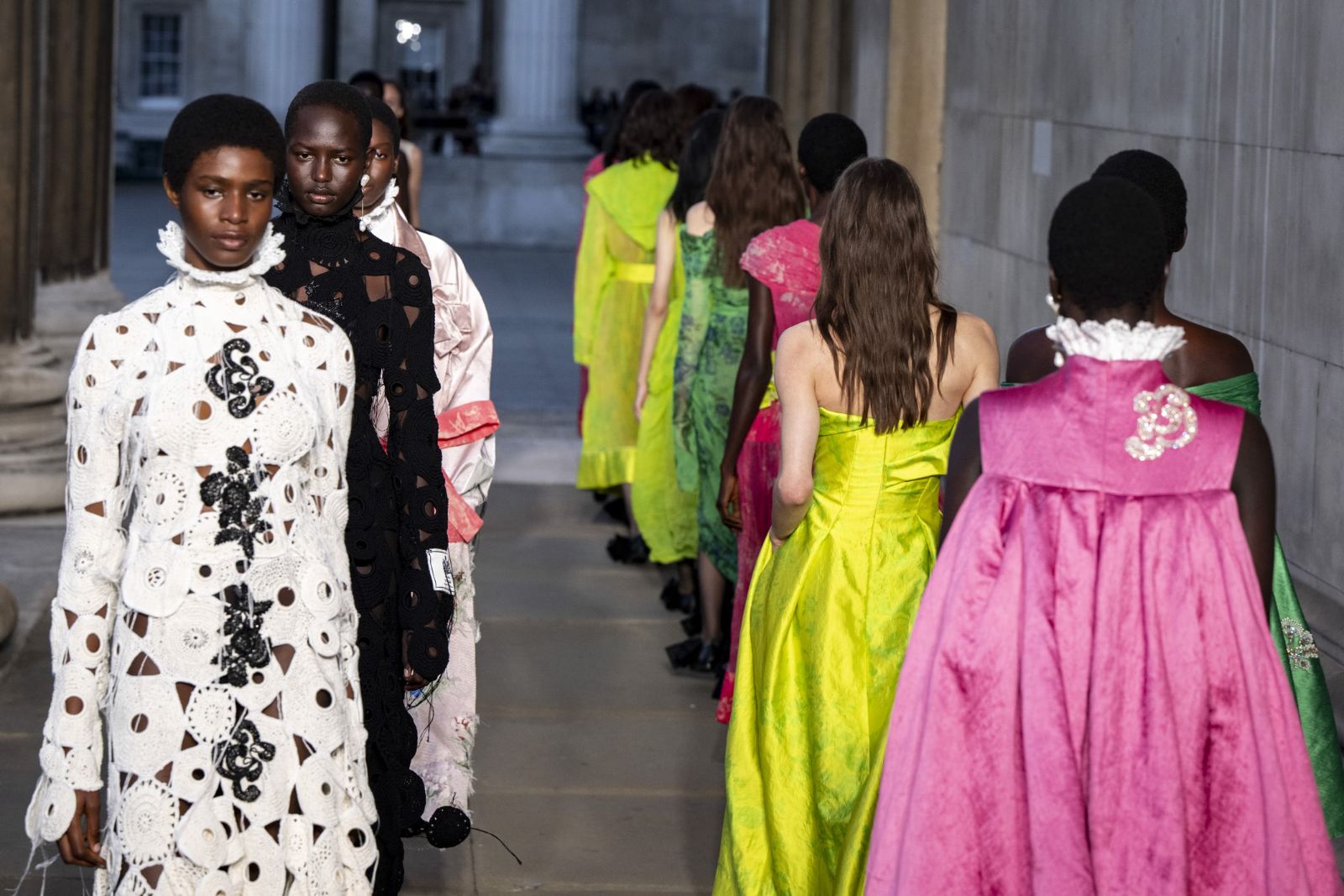
London has no permanent home. It has shown in a car park, at Olympia, at the Natural History Museum, at Somerset House, in a Soho car park and at 180 the Strand, and since 2020 it has had no official venue at all.
February shows autumn and winter. September shows spring and summer.
There is no longer a separate London menswear week. The Council folded it in 2025 and moved its menswear showrooms to Paris.
A consumer festival runs for several days after the week itself, with tickets that can simply be bought. It is not the same thing and nobody in the industry pretends it is.
The mistake is going for the big houses. Burberry and JW Anderson can be watched from anywhere. The reason to be in London is the NEWGEN schedule, where you will see three collections by people nobody has heard of, one of whom will be running a French house in fifteen years.
The Court
London Fashion Week is not the Court’s own, and the Court will not pretend it can seat a member at a show. Those rooms belong to the houses.
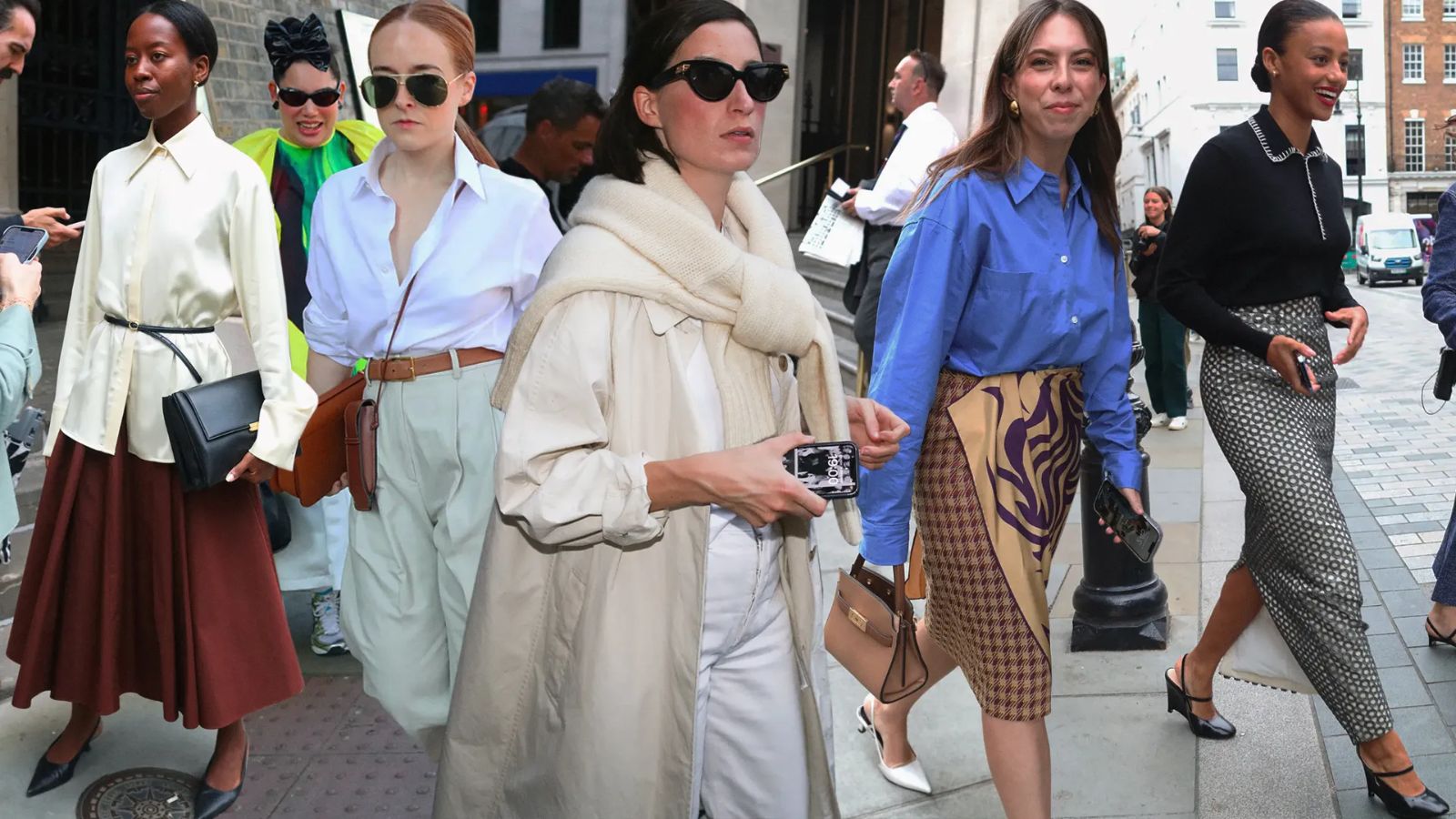
What the Court arranges is the week around them: showroom appointments, the presentations that welcome guests, and the tables where the collections are argued over. Getting there, where to stay, and the table afterward are sought on a member’s behalf as usual.
