
MILAN FASHION WEEK
February and September · Milan · Six Days · Since 1958
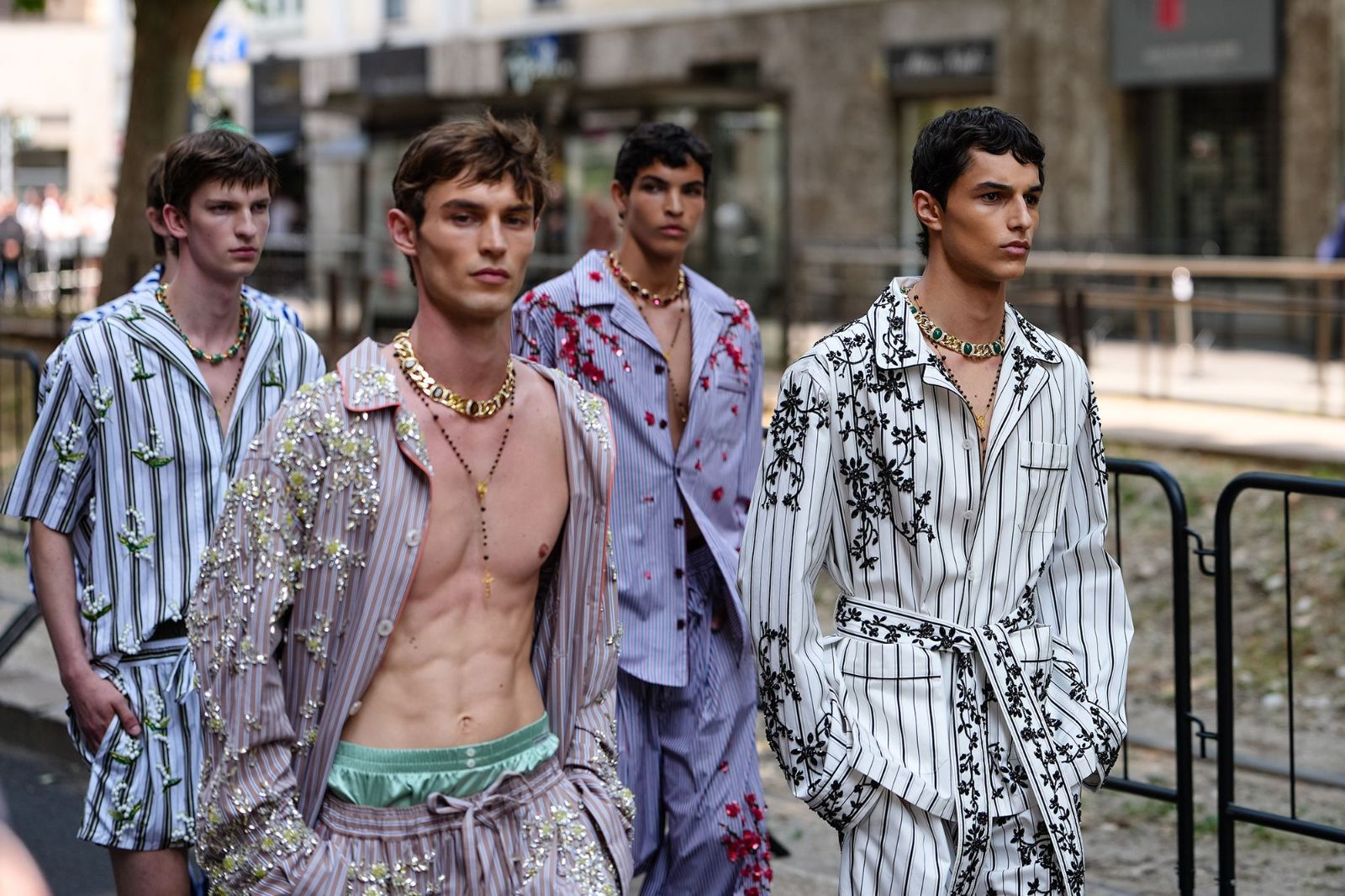
Milan Fashion Week shows in February and September, third in the order after New York and London and immediately before Paris. Six days.
It is the fashion week of an industry rather than of an idea. Almost everything shown here is Italian, and almost all of it will be manufactured within two hundred miles of the city.
The Move from Florence
Italian fashion was born in Florence, in a private house, on the twelfth of February 1951.
Giovanni Battista Giorgini was a Tuscan businessman who sold Italian goods to American department stores, and who understood that the buyers who crossed to Paris every season might be persuaded to come further south. He invited them to Villa Torrigiani and put ten Italian designers in front of them, the Fontana sisters and Emilio Pucci among them.
It worked. The following year the shows moved into the Sala Bianca of the Palazzo Pitti, where buyers from Saks and Bergdorf sat in a Medici palace and placed orders.
Florence should have kept it. What happened instead is that the business changed underneath it.
The Mills
Couture is made by hand for one woman. Ready-to-wear is made in a factory for thousands, and Italy’s factories were in the north.
The silk came from Como, the wool from Biella, the cloth from Prato. The money was in Milan and so was the editorial trade, and Vogue opened an office there in 1960. A trade body was formed in the city in June 1958 to organise showings, and through the sixties and seventies the industry drifted north to meet its own supply chain.
Florence kept the high fashion. Milan took the clothes people actually wore. Walter Albini, Krizia and Missoni showed first, then Armani, Versace, Ferré and Dolce & Gabbana, and by the end of the seventies the argument was settled.
What to Know
Every seat is given. There are no tickets.
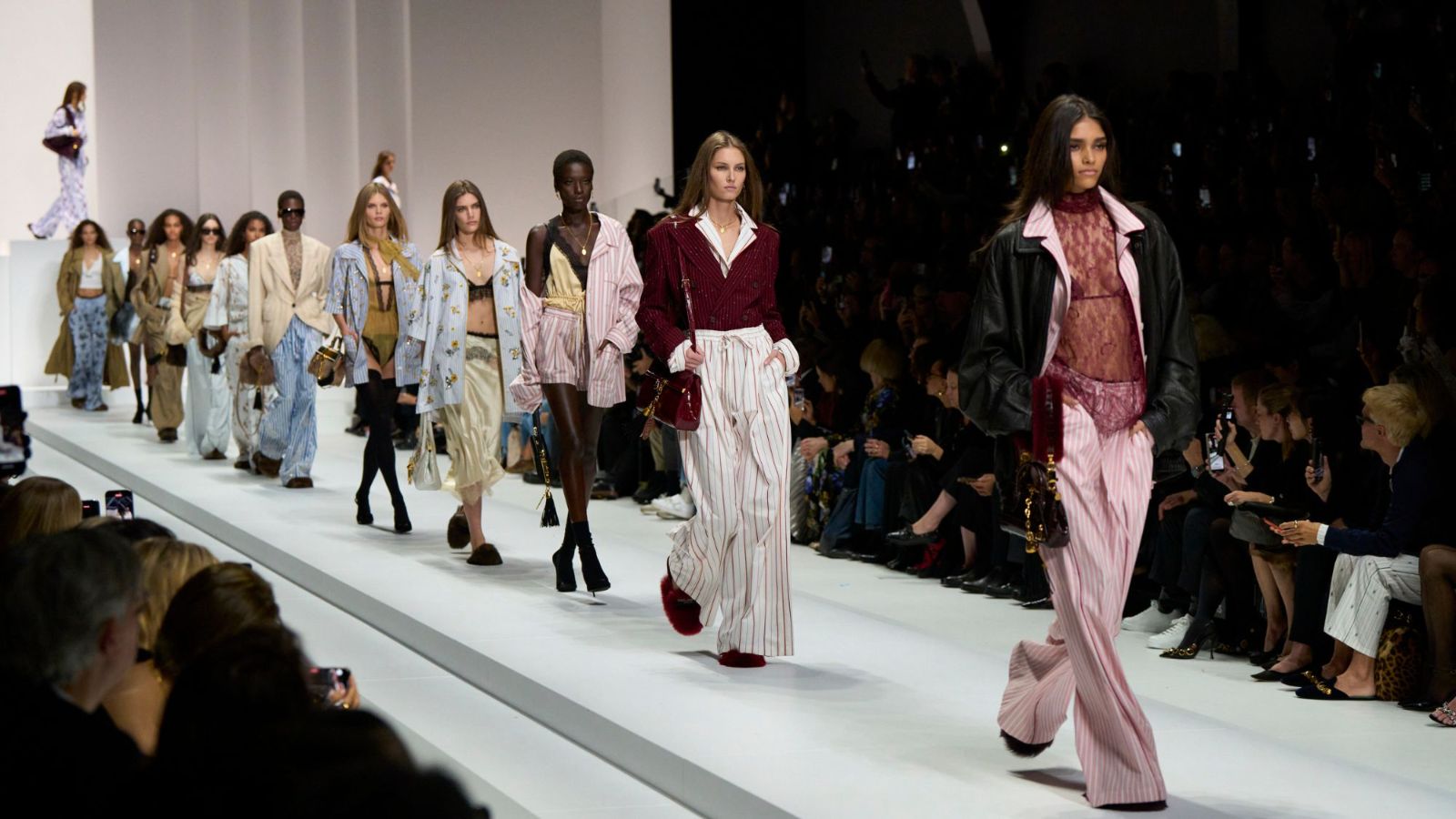
Milan is the only one of the four that shows mainly its own. Paris, London and New York all fill their schedules with foreign houses. Milan is Italian, and it is Italian on purpose.
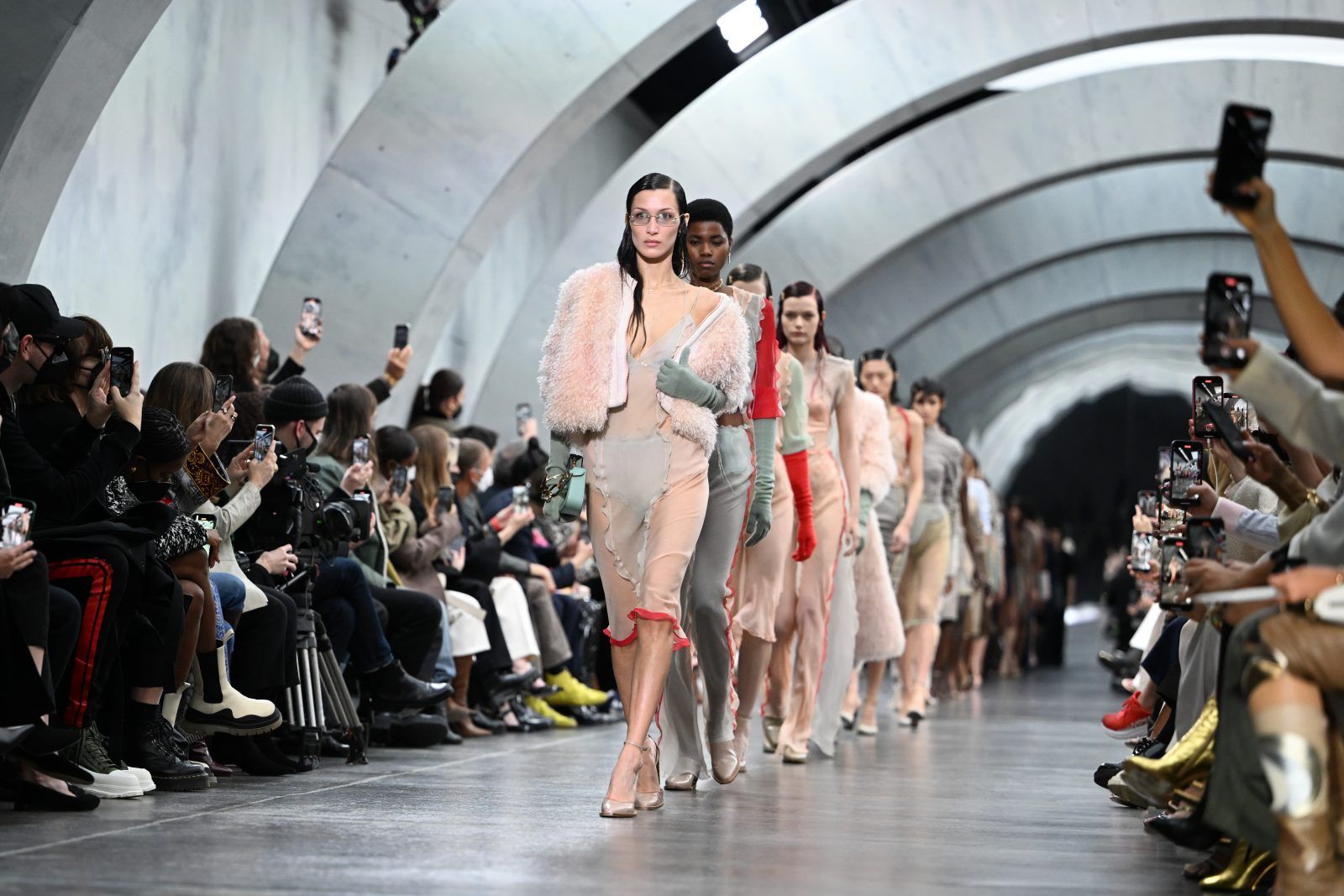
The shows are staged in palaces and industrial buildings rather than tents: the Sala delle Cariatidi at the Palazzo Reale, a hall inside the science museum, the old lofts on Via Tortona.
The Quadrilatero, the four streets between Montenapoleone and Corso Venezia, is where the money is spent for the rest of the year.
February shows autumn and winter. September shows spring and summer.
The mistake is comparing it with Paris. Paris shows what fashion could be. Milan shows what will be in the shops, made beautifully, by people whose grandparents made it too.
The Court
Milan Fashion Week is not the Court’s own, and the Court will not pretend it can seat a member at a show. Those rooms belong to the houses.
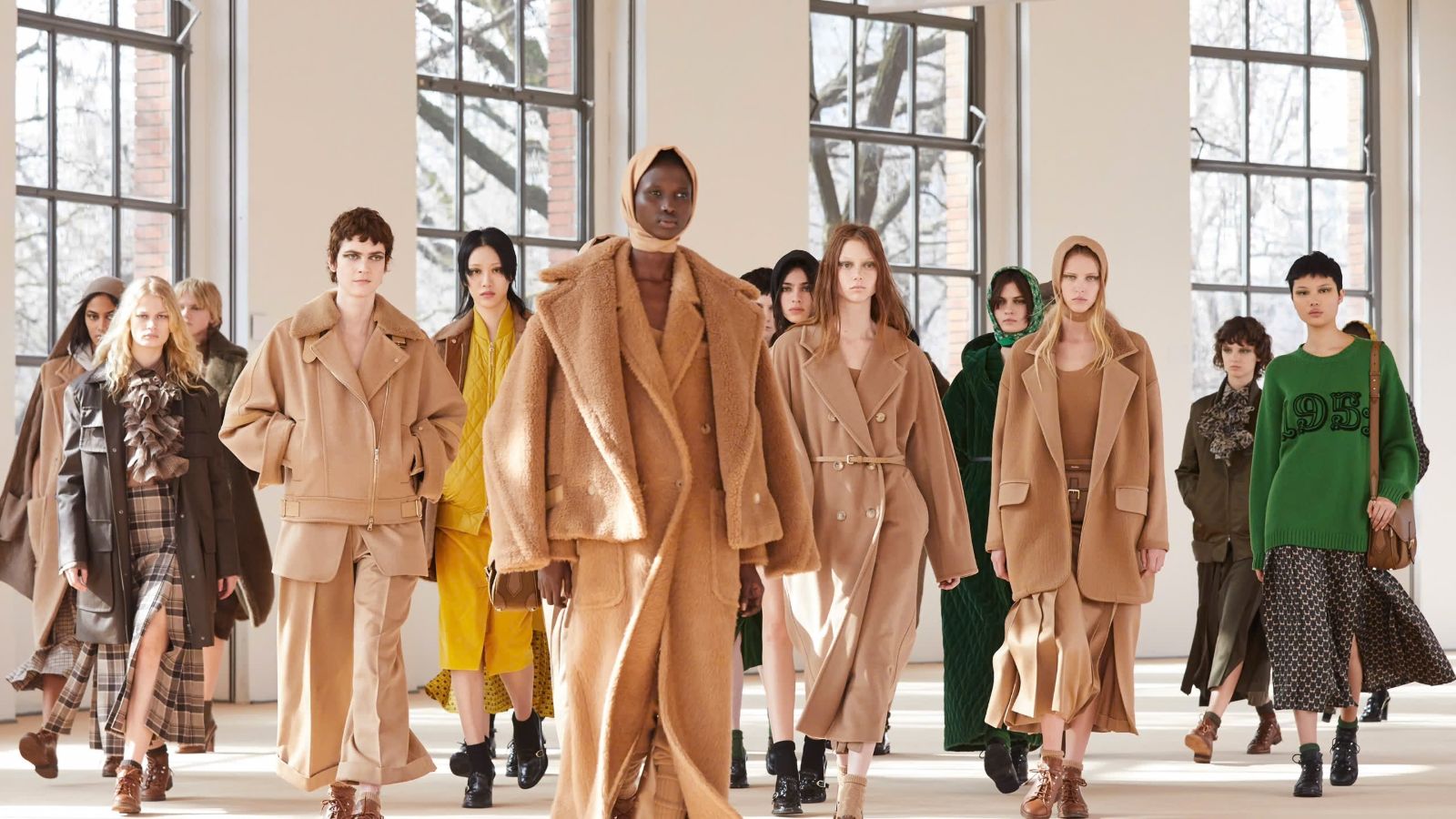
What the Court arranges is the week around them: showroom appointments, the presentations that welcome guests, visits to the mills and workshops where the cloth is made, and the tables where the collections are argued over. Getting there, where to stay, and the table afterward are sought on a member’s behalf as usual.
