
SALONE DEL MOBILE
April · Milan · Six Days · Since 1961
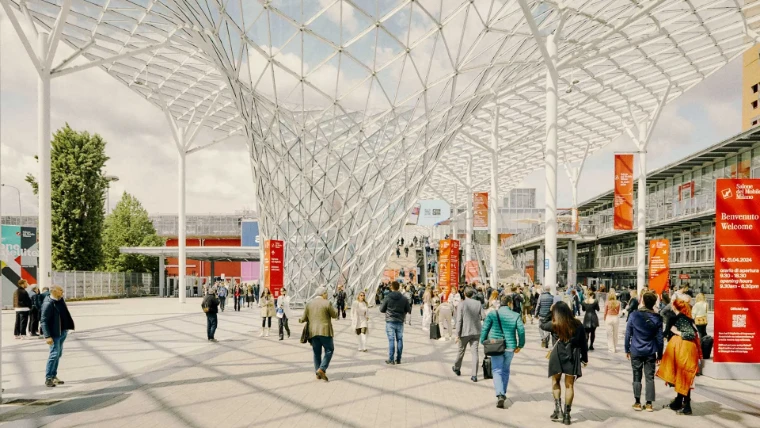
Salone del Mobile is the furniture fair of the world: six days in April at the fairground outside Milan, and six days of the whole city behaving as though it were a fair.
The design world keeps one week a year, and this is it.
The Export Fair
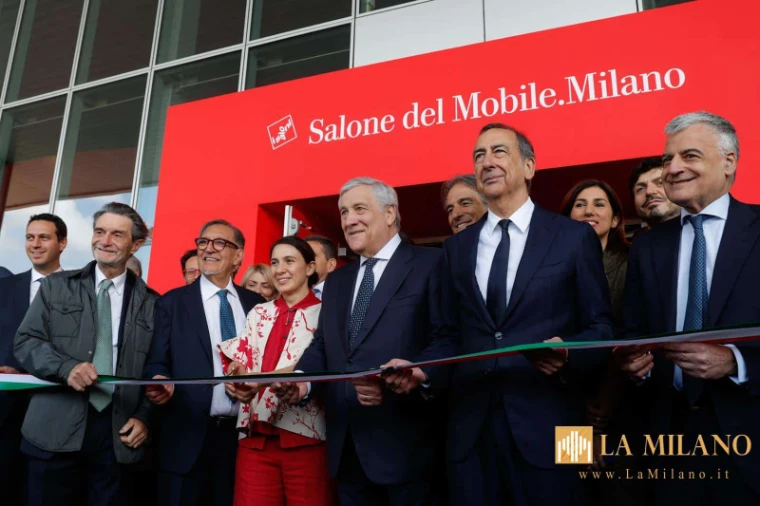
The Salone was founded in 1961 by a group of Italian furniture makers who wanted to sell abroad. The industry was small and mostly family-owned, and a single fair in Milan was the cheapest way to bring foreign buyers to all of them at once. The first, that September, had 328 exhibitors and some twelve thousand visitors.
It worked better than they had reason to expect. Over the decades that followed, Italian furniture became the standard others measured themselves against, and Milan became where the world came to see it first.
For its early decades the Salone was held in September. It later moved to April, and then out of the city altogether, to a fairground at Rho designed by Massimiliano Fuksas, where the halls are joined by a glass canopy that runs for more than a kilometre.
The City
The most famous thing ever shown during the Salone was not shown at the Salone.
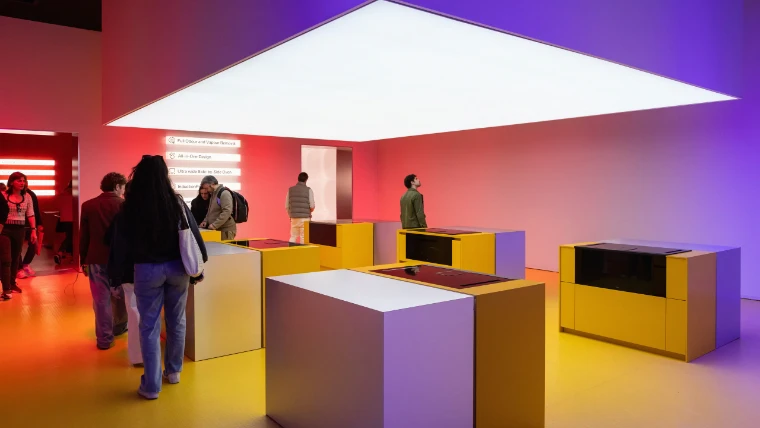
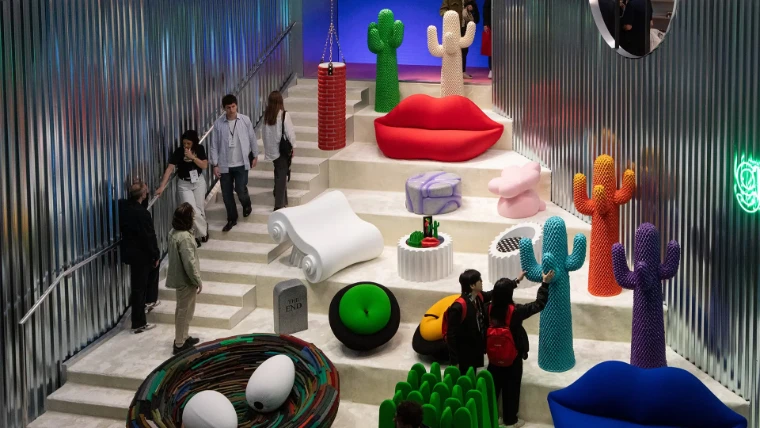
In September 1981, while the fair was on, Ettore Sottsass and a group of young designers put their first furniture under the name Memphis into a gallery in the city: bookcases like totems, laminate in colours nobody had used for furniture. So many people came that they filled the street. The fair showed what the industry made. Memphis showed what else was possible, and it did so across town.
It is as good a date as any for the start of the Fuorisalone, which means “outside the Salone” and has no founder. Companies began opening their showrooms during the week, then taking over warehouses in Tortona, then the courtyards of palazzi in Brera that are closed to the public the rest of the year. The week now belongs as much to the city as to the fairground, and many who come never go out to Rho at all.
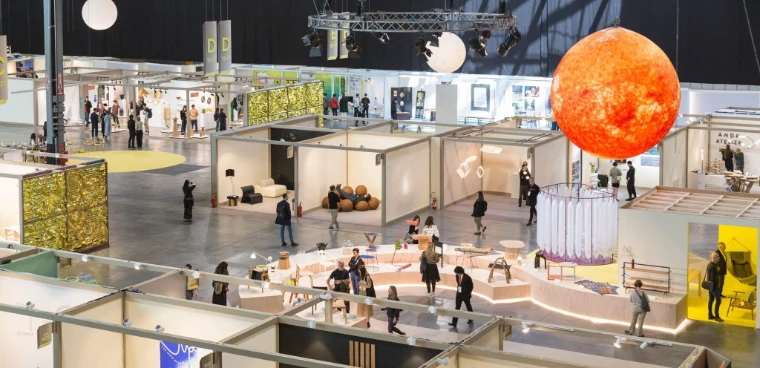
The young have their own hall. SaloneSatellite, begun in 1998 by Marva Griffin Wilshire, gives space in the fair to designers under thirty-five, and a good part of each new generation was first seen there.
What to Know
Euroluce, the lighting exhibition, runs in the odd-numbered years, and EuroCucina, for kitchens, in the even ones.
The fairground is at Rho, at the end of a metro line, and it is built for buyers. The city is for everyone, and much of it is free.
It is a week on foot. Brera, Tortona and the courtyards are best walked, and the best evenings are the ones companies give in houses that are not otherwise open.
Milan fills. Rooms for the week are taken a year ahead.
The city dresses for it, and notices who has not.
The Court
Salone del Mobile is not the Court’s own. Passes for the fair and invitations to the evenings companies give in the city are sought on a member’s behalf, and the Court arranges the whole of the six days: getting there, where to stay, and the table afterward. Rooms in Milan go a year ahead, and so does the Court’s asking.
How one becomes a member is set out under Admission.
Set down September MMXXVI