

SNOW POLO WORLD CUP
Late January · St. Moritz, Engadin · Three Days · Since 1985
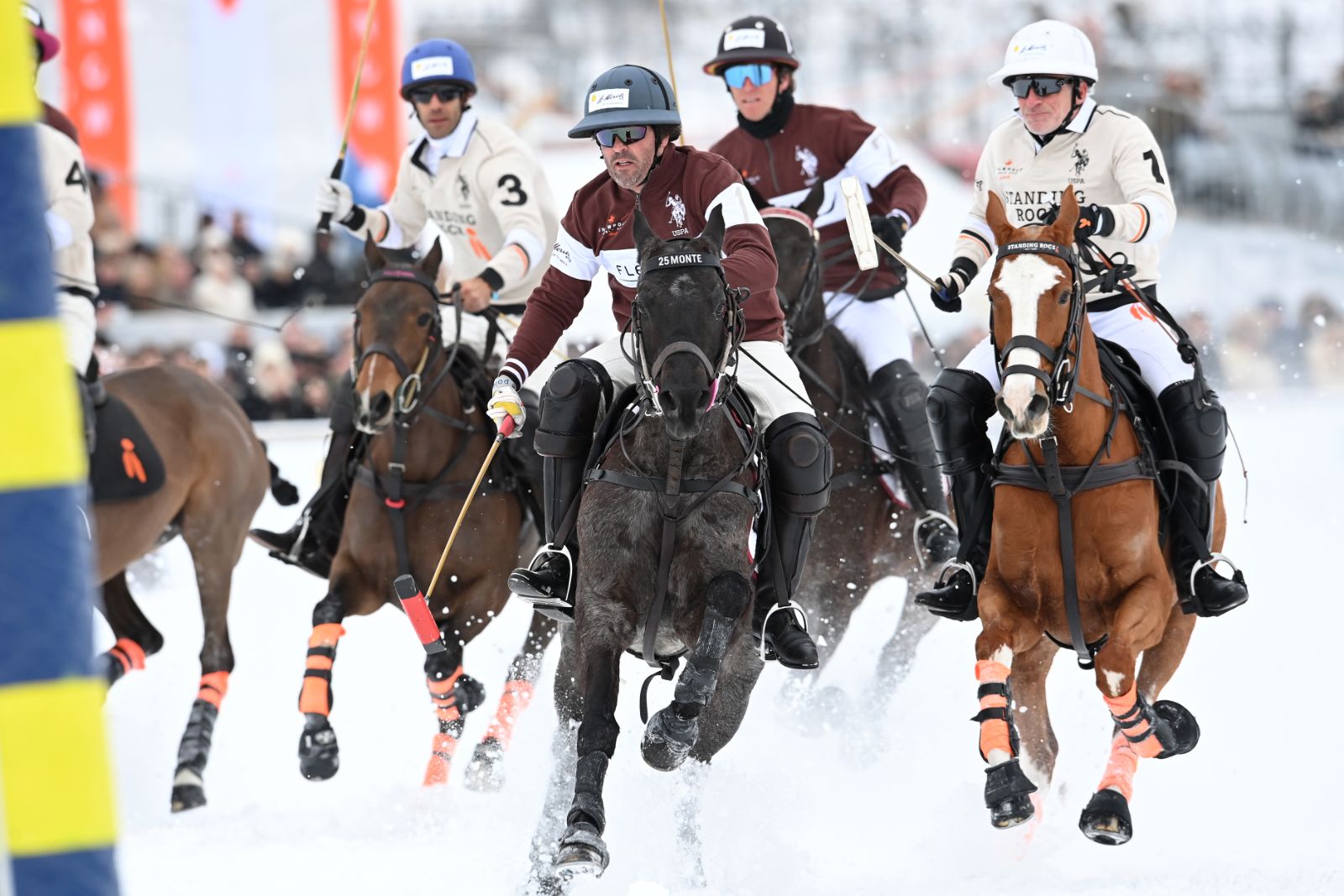
The Snow Polo World Cup is three days of high-goal polo played on the frozen surface of Lake St. Moritz in the last week of January. Six teams of four. Twenty-five thousand people standing on the ice.
It is the only high-goal tournament in the world played on snow, and it was the first tournament of any kind to be played on it.
The Lake
Polo arrived in St. Moritz in 1899, on a field laid out for English soldiers stationed nearby who wanted something to do with their afternoons. The polo club proper was founded in 1959.
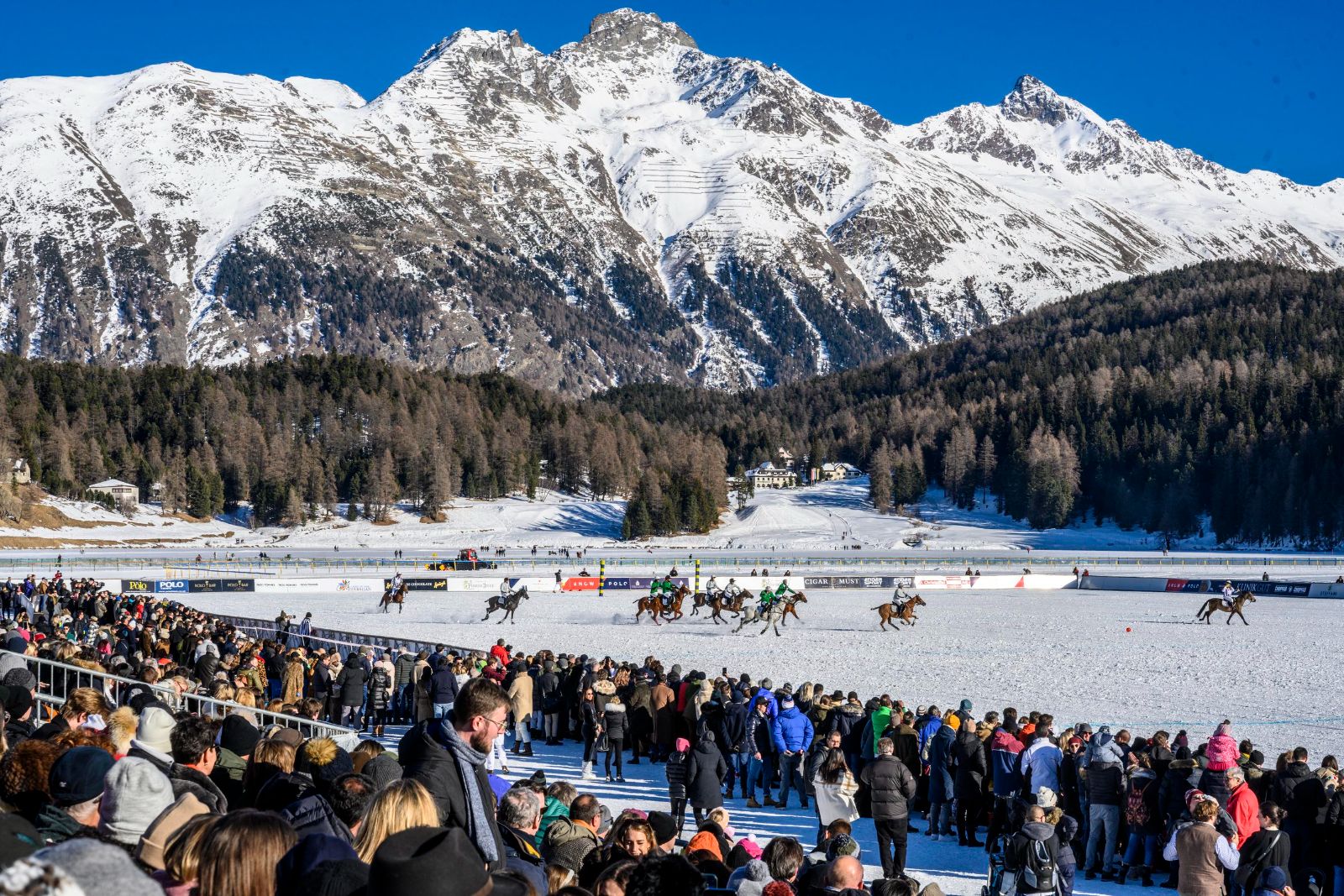
In 1985 a hotelier named Reto Gaudenzi, who had put together Switzerland’s first polo team seven years before, proposed playing on the frozen lake. Nobody had done it. The tournament that followed invented snow polo, and there are now versions of it at Aspen, Cortina and Kitzbühel. The original still holds the money and the standard.
The lake freezes deep enough to carry horses, and a field is built on top of it out of compacted snow. It is taken up every February and built again the following January.
The Game
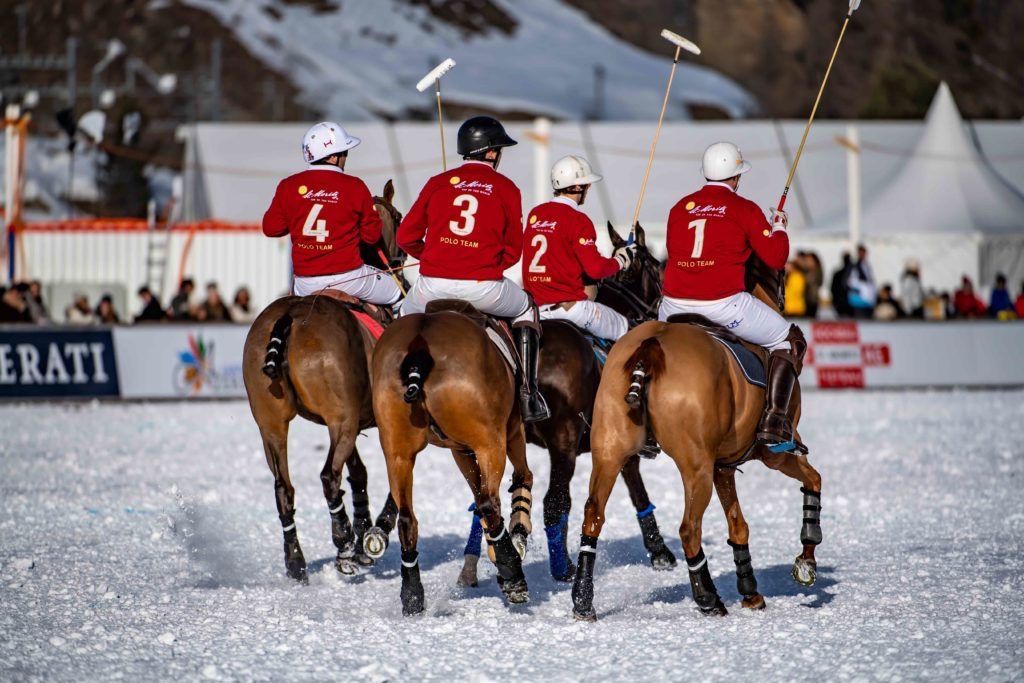
Four chukkas of seven and a half minutes. A pony may play two of them, and never consecutively.
The ball is bright red, larger and lighter than a grass ball, because a white ball on white ground cannot be seen and a heavy one will not travel on snow.
The surface changes everything. Ponies are shod with studs. The ball skids rather than rolls. Play is quicker over short distances and slower over long ones, and all of it happens against a wall of mountains that makes distance hard to judge from the stands.
What to Know
Watching is free. The games are open to anyone who walks out onto the lake, as are the stalls alongside the field. What costs money is the grandstand, the tent, and the evenings in the town afterward.
That is worth knowing, because most people assume the reverse.
Sunday is the final and the day people come to be seen. Friday and Saturday are better polo in front of a thinner crowd.
The same lake takes horse racing three Sundays later, which is worth knowing if you are choosing between the two.
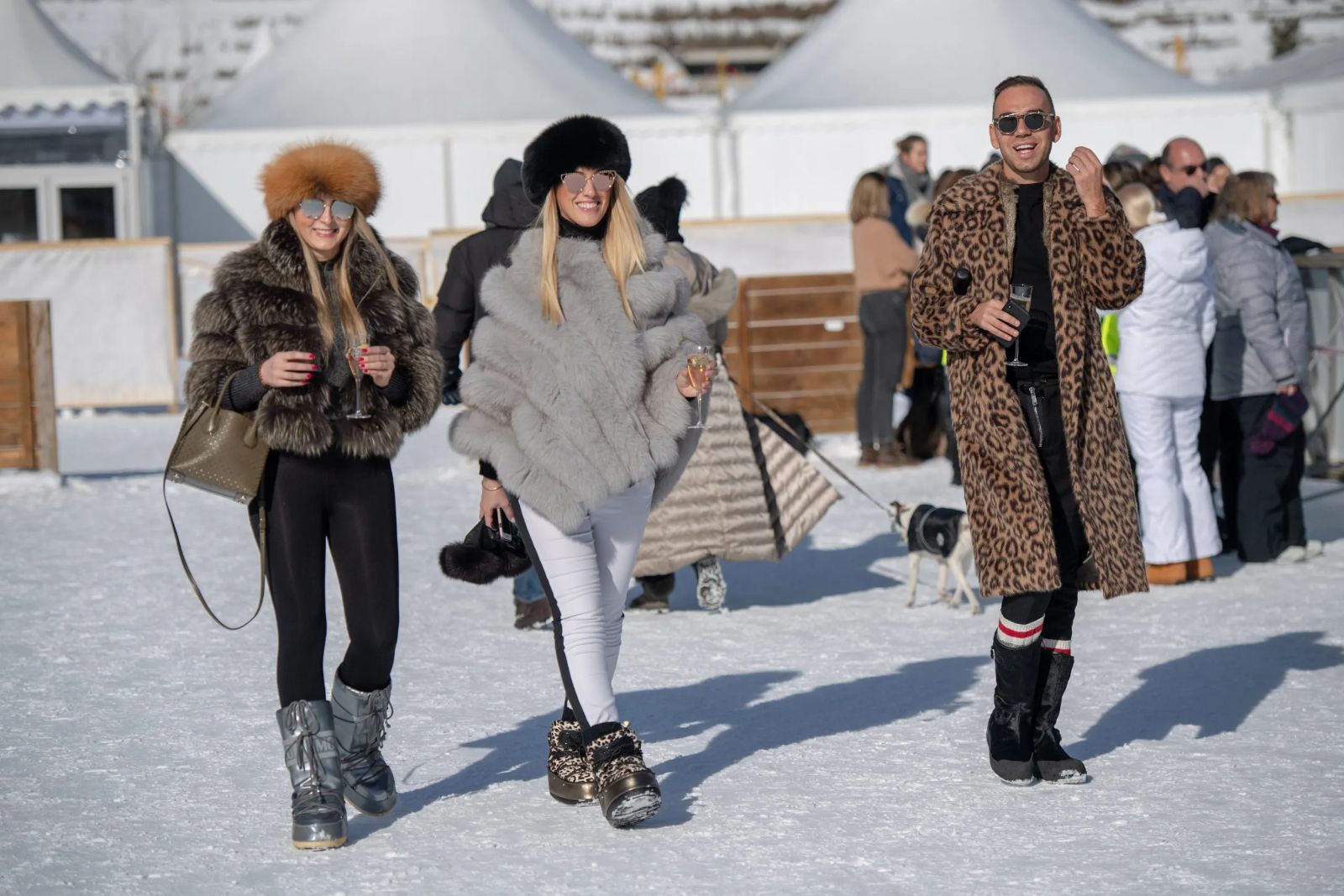
Dress for standing on ice for four hours. Country attire holds up. Thin soles do not.
The mistake is treating it as polo with snow added. It is a different game, and the people who know it are watching for different things.

The Court
The Snow Polo World Cup is not the Court’s own. Places in the grandstand and the tent, and the evenings that follow in the town, are sought on a member’s behalf, and the Court arranges the whole of the day: getting there, where to stay, and the table afterward. Rooms in St. Moritz that week are the difficult part.
