

THE HAHNENKAMM RACES
Late January · Kitzbühel, Tyrol · Three Days · Since 1931
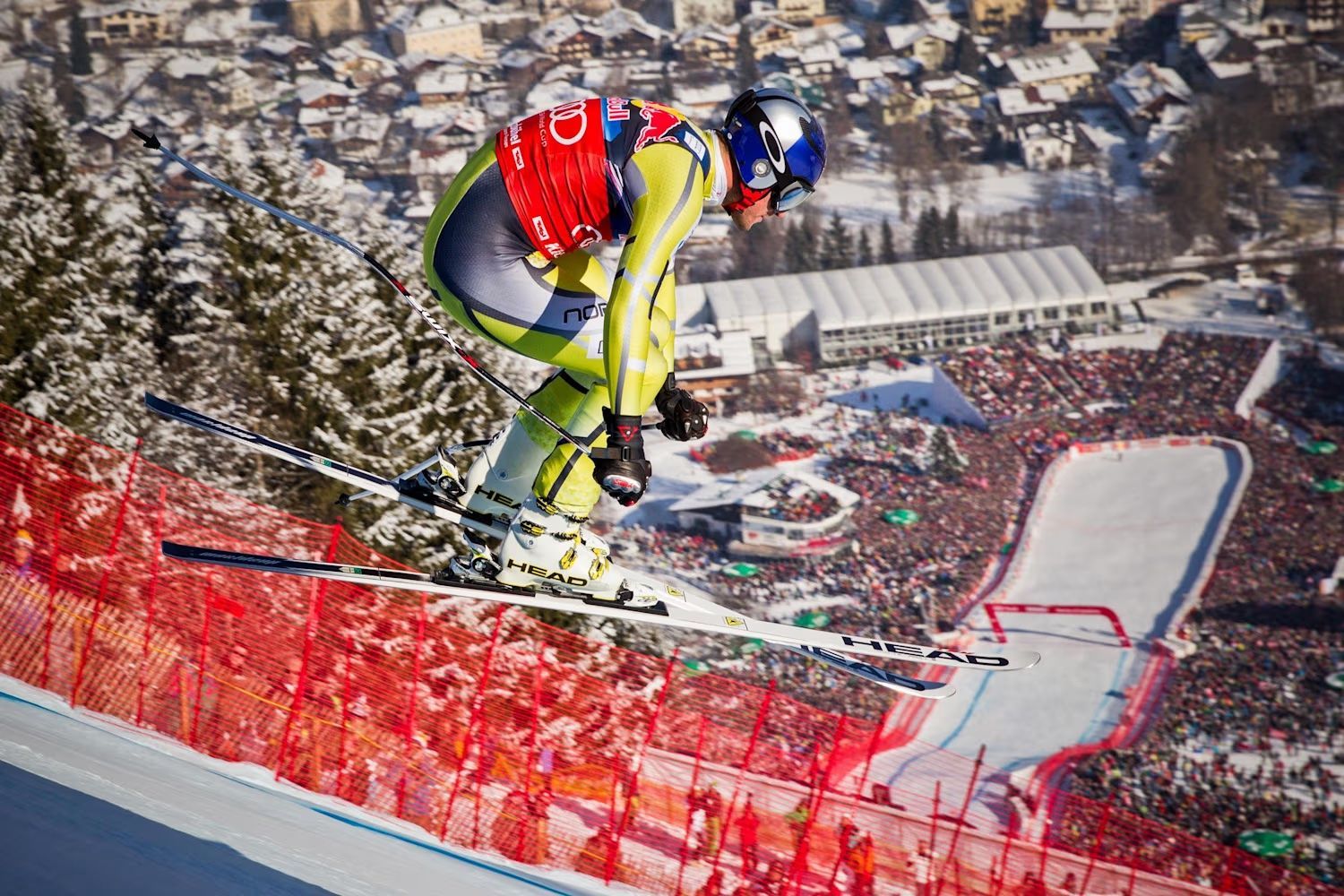
The Hahnenkamm is three days of ski racing at the end of January and the hardest downhill in the world. The Super-G is run on the Friday, the downhill on the Saturday, the slalom on the Sunday. Tens of thousands stand on the mountain for each of them.
The town beneath it is medieval and walled, and for one weekend a year it holds a great many more people than it was built for.
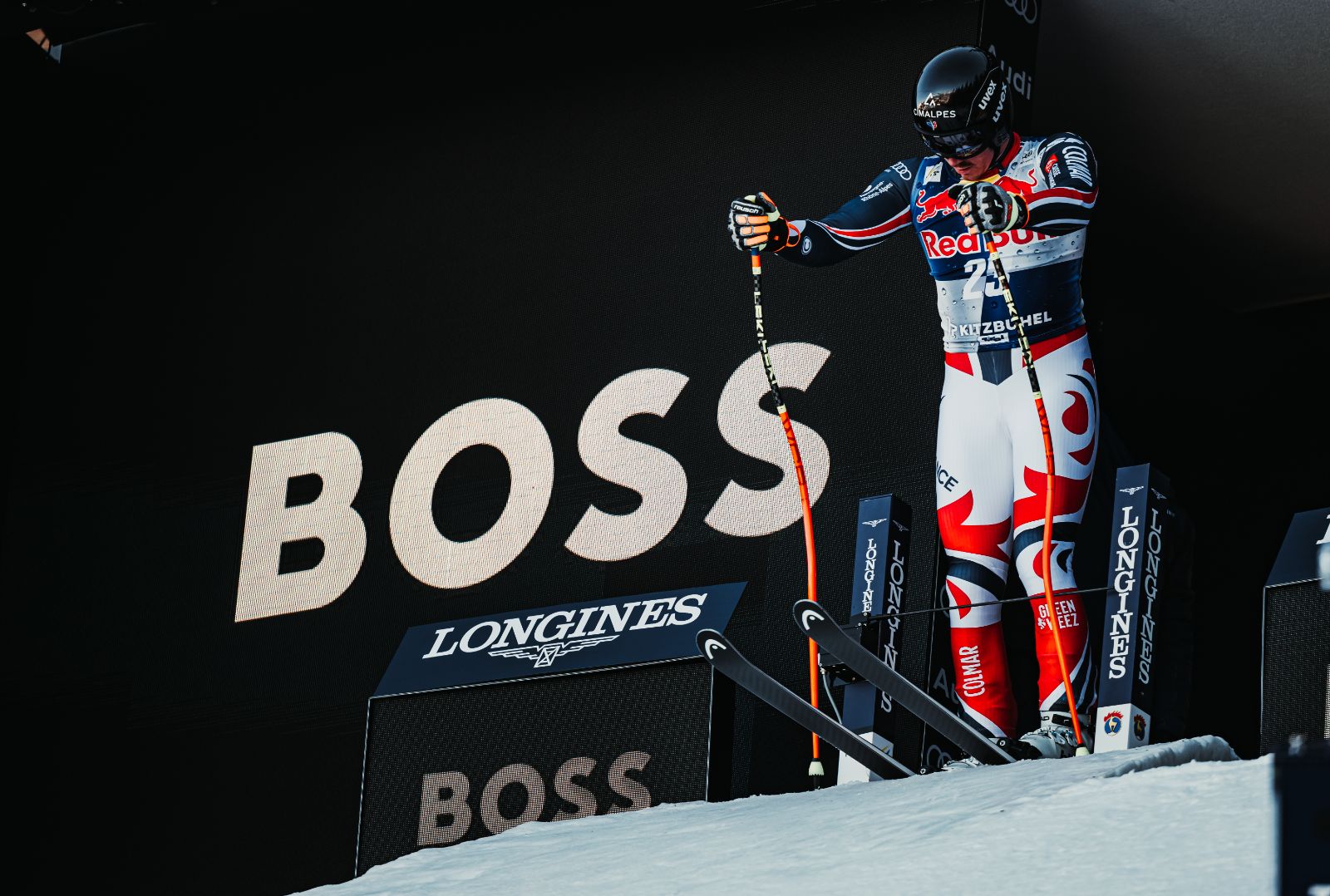
The Streif
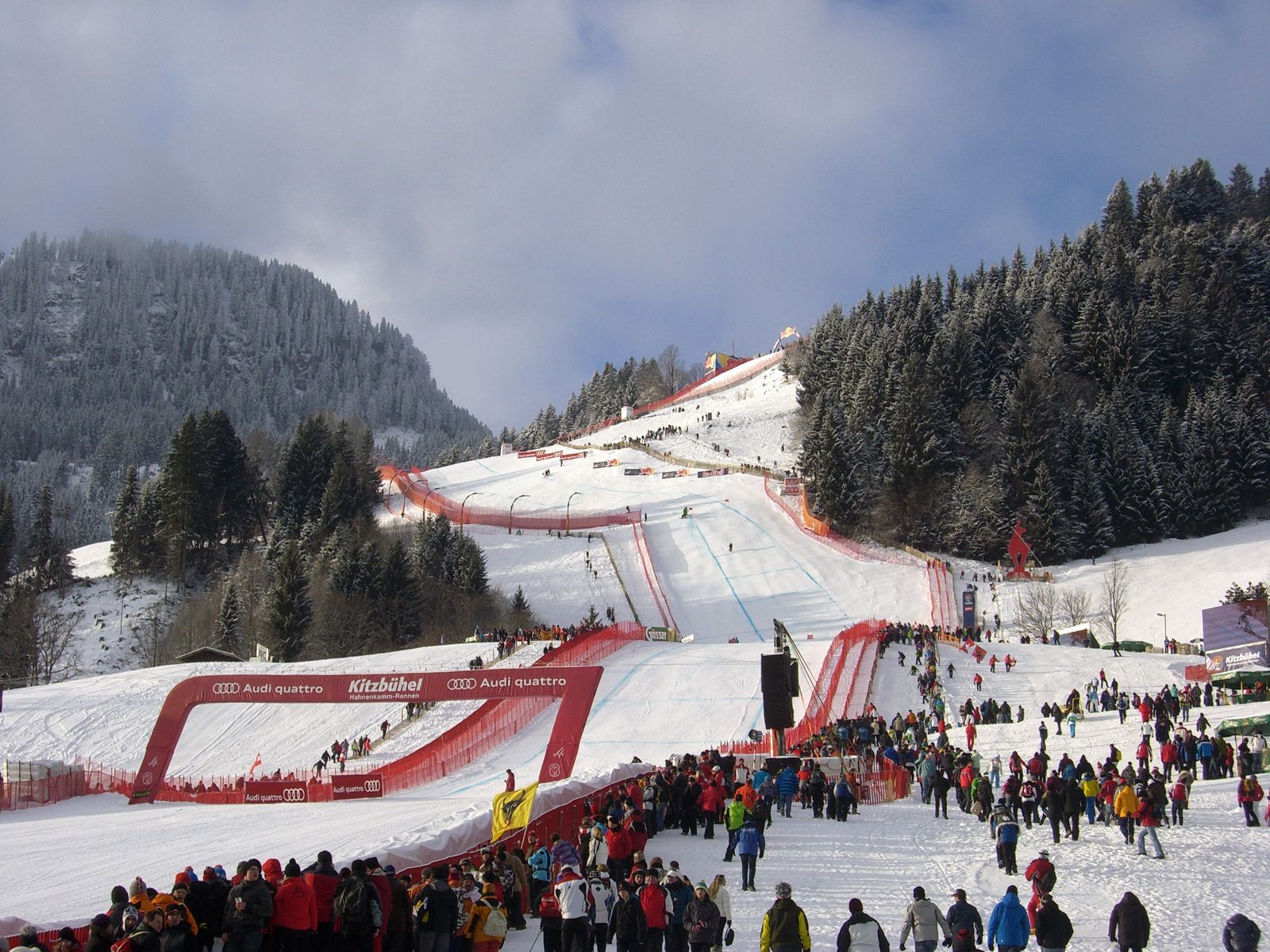
The course is the reason anyone comes. It runs three thousand three hundred metres from a start house at 1,665 metres down to a finish at 805, dropping 860 metres in under two minutes. The name is an old German word for a streak.
Seconds out of the gate comes the Mausefalle, the mousetrap. The gradient there reaches eighty-five per cent and a racer leaves the ground for up to eighty metres before landing on it. Then the Steilhang, where the race is usually won or lost, the Brückenschuss, the Seidlalmsprung, the Hausbergkante, and a traverse into the finish jump. Every section has a name and every name is known.
Speeds pass 140 kilometres an hour. Fritz Strobl went down it in 1997 in a minute and 51.58 seconds, and nobody has beaten it since.
Weather often takes the top of the course away. Across one decade the full Streif was run in only four of ten years, which means the Mausefalle, the thing everyone came for, is not guaranteed.
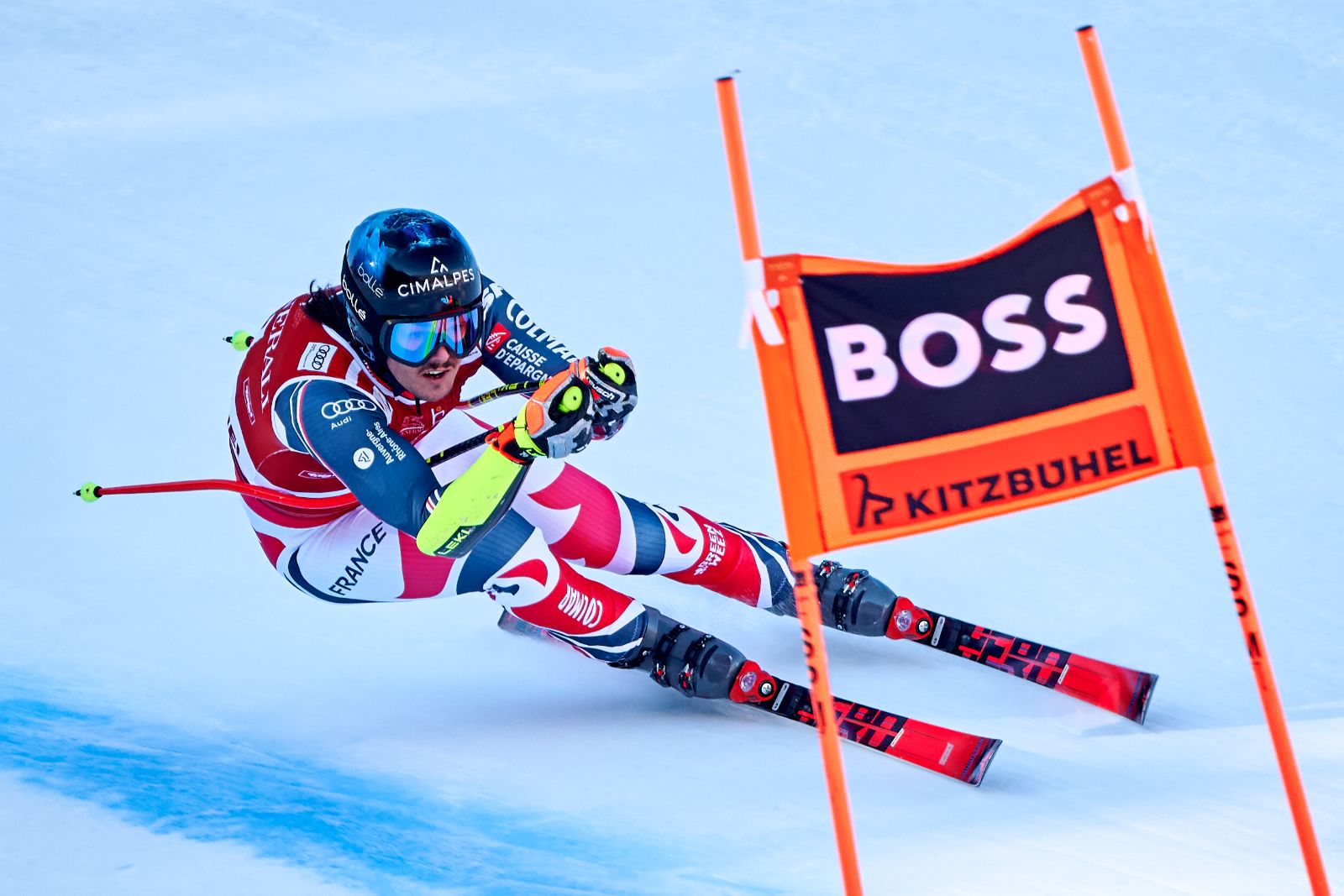
The Races
Kitzbühel has raced since 1906. The first Hahnenkamm was run in 1931 on a different slope, and the first on the Streif in 1937, which took the winner three minutes and fifty-three seconds.
Anderl Molterer, a local, won nine times across the disciplines and has been Mister Hahnenkamm ever since. Toni Sailer won five and went on to sing and act. Didier Cuche holds the downhill record with five, three of them consecutive, the last of them at thirty-seven.
The course has broken people too. Helicopters stand by, and they are used.
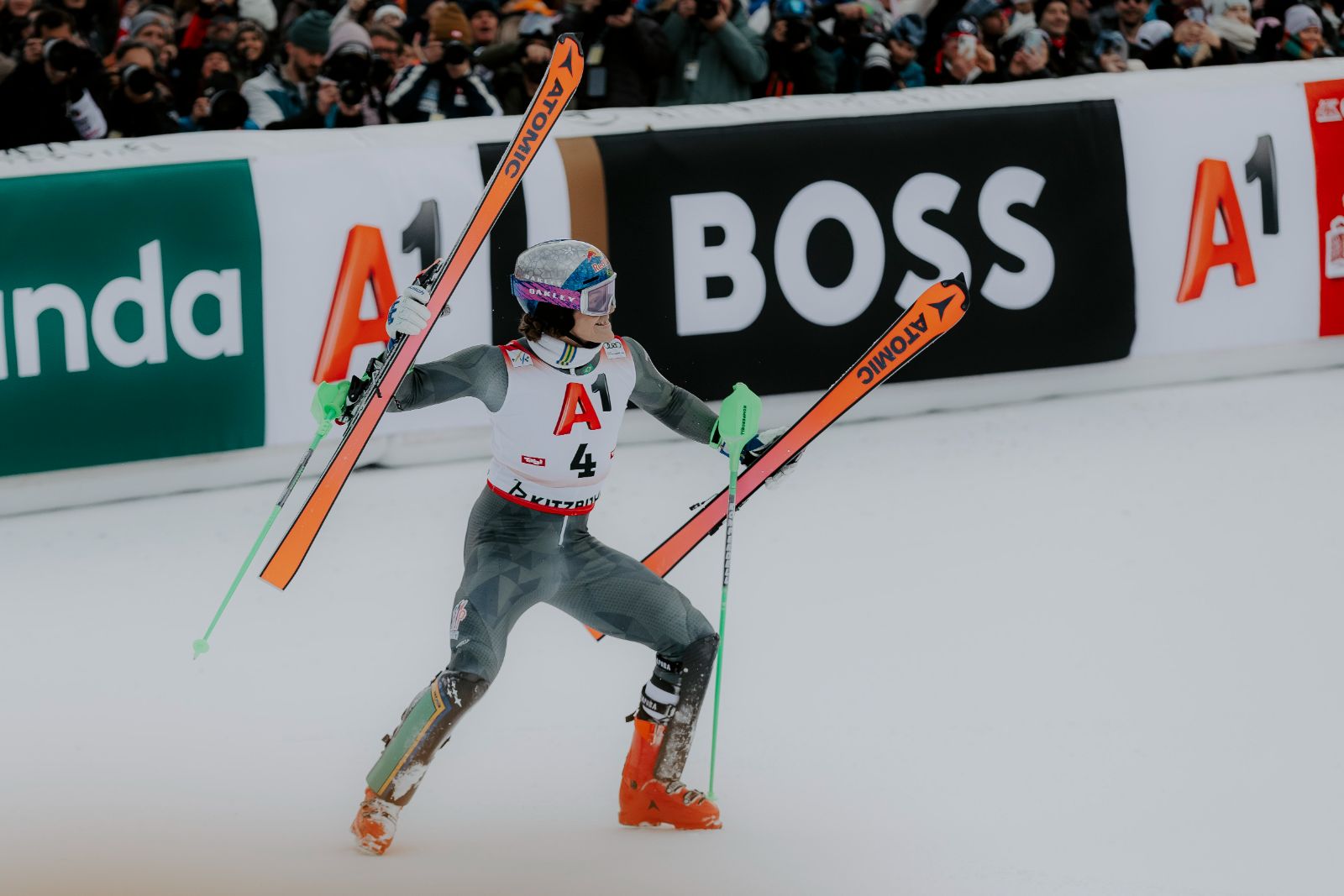
What to Know
Saturday is the downhill and the day. Friday’s Super-G is quieter and you will see more of it.
The finish area is a stadium and its tickets go early. The better view is up the mountain. Walk to the Steilhang and watch them come through it from a few metres away.
Kitzbühel is a town of eight thousand that takes tens of thousands for the weekend. Rooms are held a year ahead, and the ones that are not are priced accordingly.
A great deal of party attaches to the racing, some of it very good and some of it a Munich nightclub relocated to the Alps. Choose carefully.
The mistake is watching it on the screens in the finish area. You can do that at home. Go and stand somewhere the course is steep enough to frighten you.
The Court
The Hahnenkamm is not the Court’s own. Tickets, a place in the finish stadium and rooms in the town are sought on a member’s behalf, and the Court arranges the whole of the day: getting there, where to stay, and the table afterward. The rooms are the difficult part, and they are taken early.
