
THE SAUDI CUP
Late February · King Abdulaziz Racecourse, Riyadh · Two Days · Since 2020
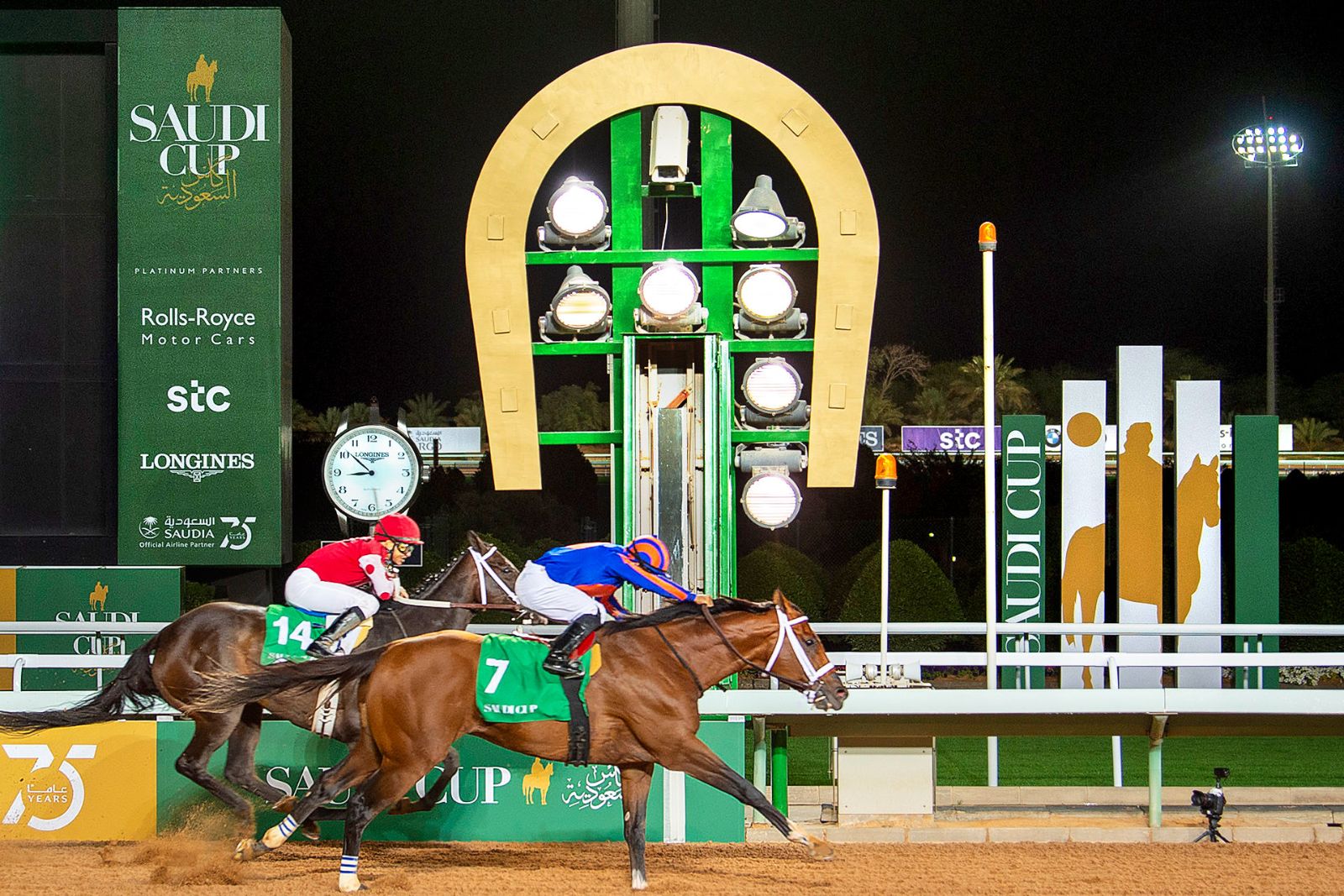
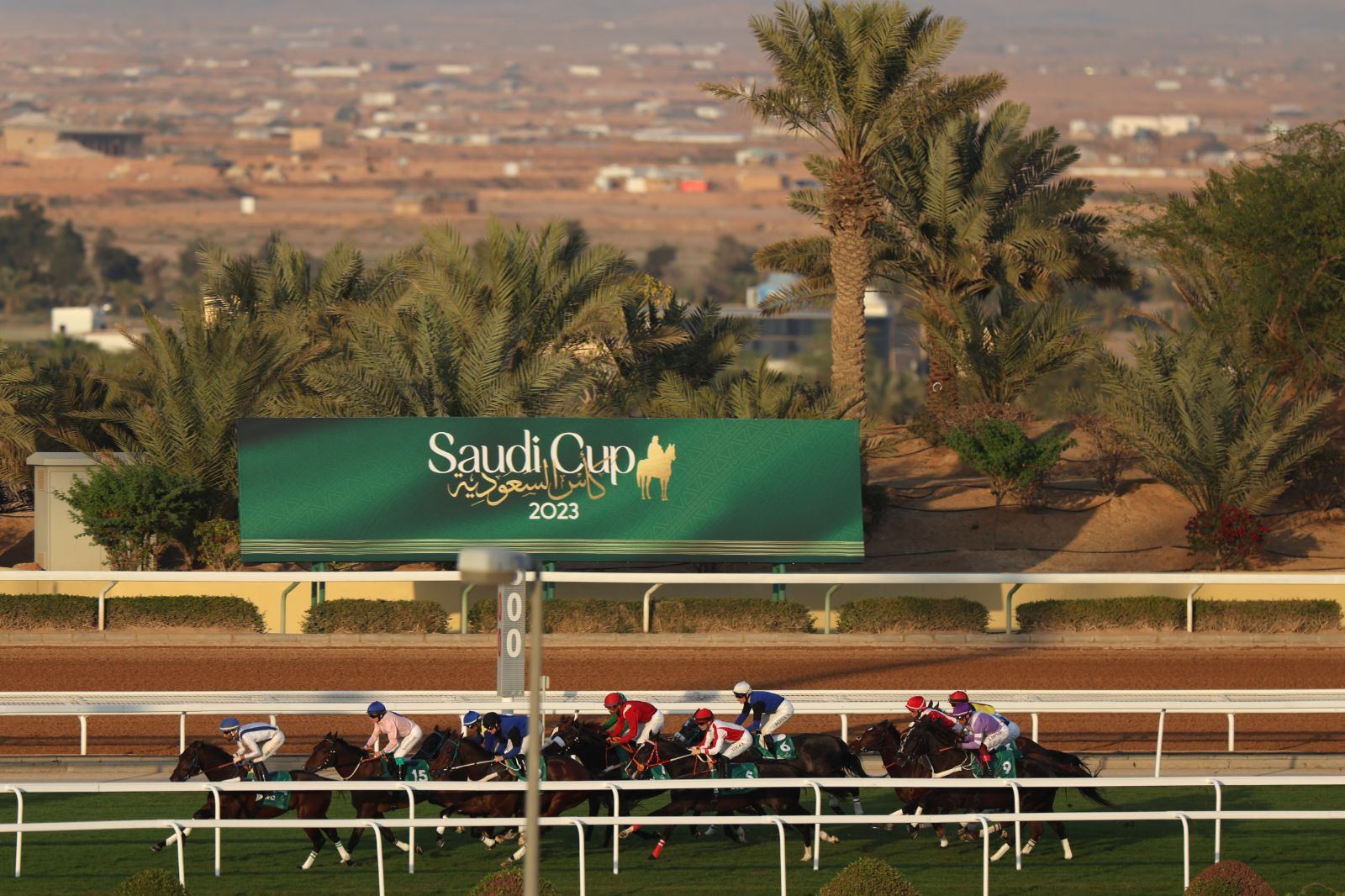
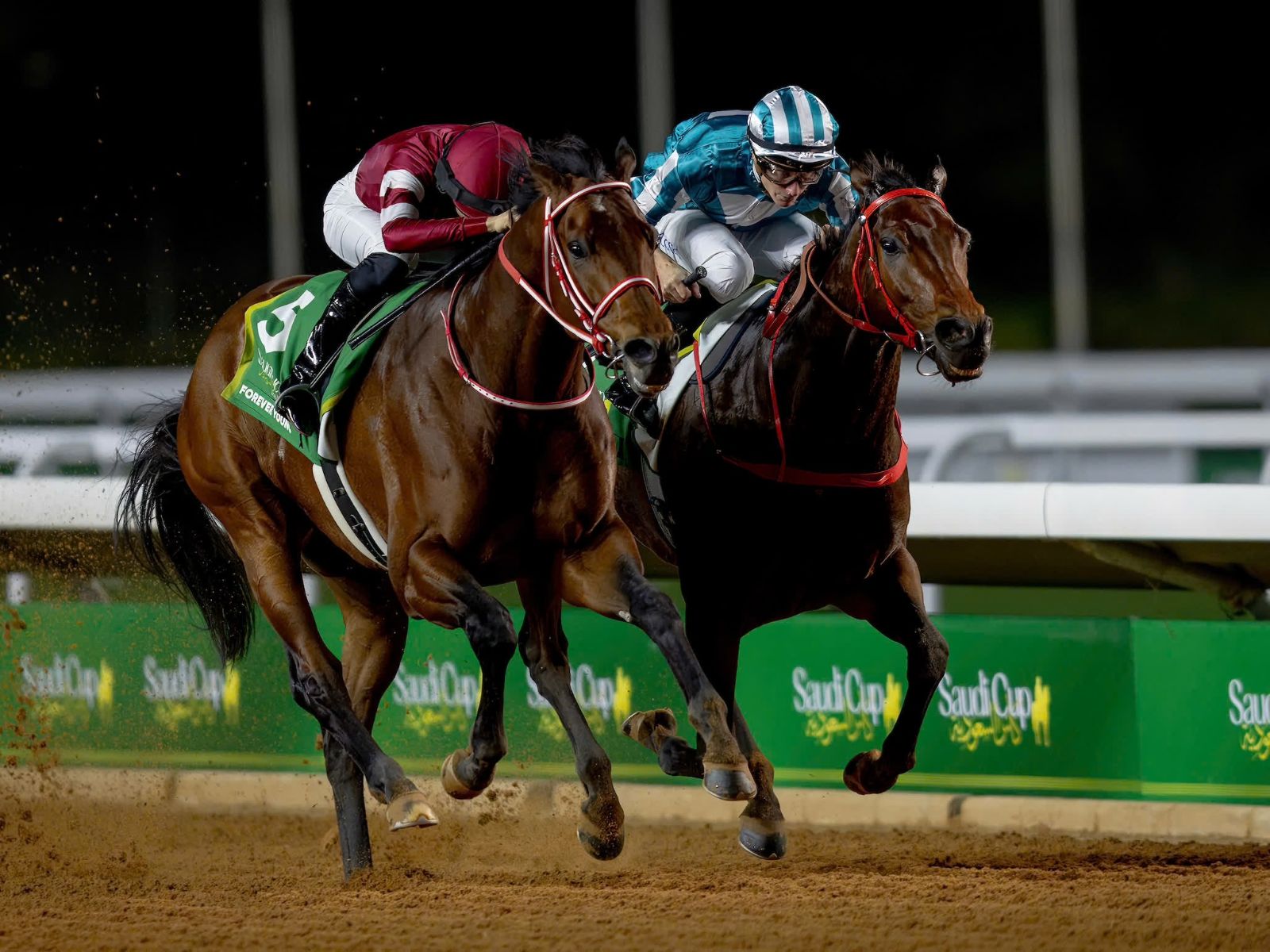
The Saudi Cup is the richest horse race in the world. Twenty million dollars for a mile and an eighth on dirt at Riyadh, ten of them to the winner, run on the last Saturday of February.
Around it sits a meeting worth some fifteen million more, which makes it the richest day’s racing held anywhere.
The Design
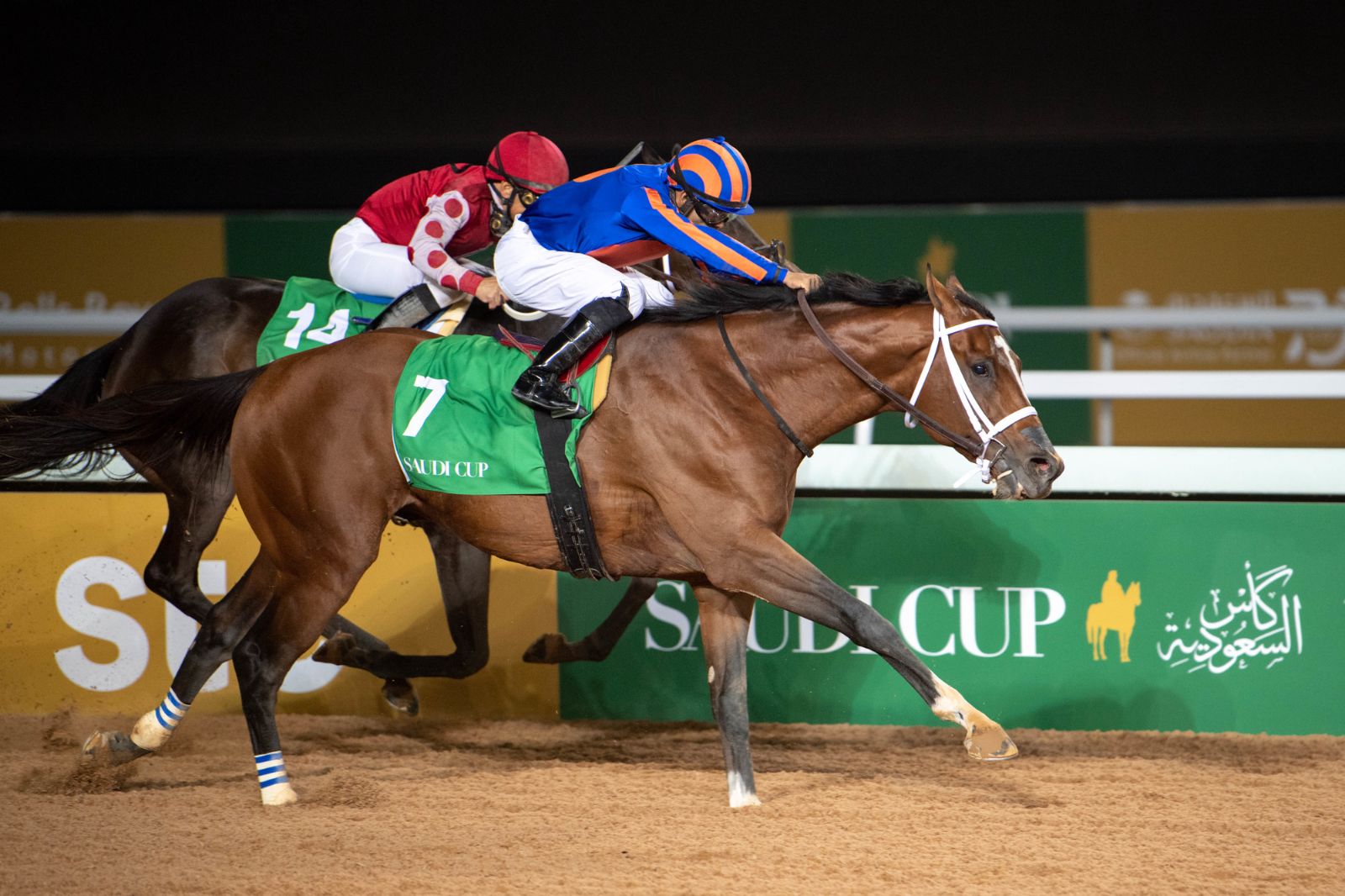
The race was built rather than grown. It was announced in 2019 and first run on the twenty-ninth of February 2020.
The gap it was designed to fill was a real one. The Pegasus World Cup runs at the end of January in Florida and the Dubai World Cup at the end of March, and there was nothing of consequence between them. Riyadh placed itself in the middle and outpriced both. Horses finishing in the first three at the Pegasus receive an automatic invitation here.
The terms are unusual. The race is free to enter and free to run. The Jockey Club of Saudi Arabia pays for stabling, feed, the veterinarian and the farrier, and for the flights and the rooms of everyone who travels with the horse. Prize money is paid down to tenth place.
A turf course was laid for the meeting, the first in the country, because Britain and Europe race on grass and would not otherwise have come.
The first running went badly. Maximum Security passed the post in front, his trainer was indicted in America the following month on charges of doping horses, the purse was withheld, and the horse was eventually disqualified with every runner behind him moved up a place. The trainer served four years.
The Arabians
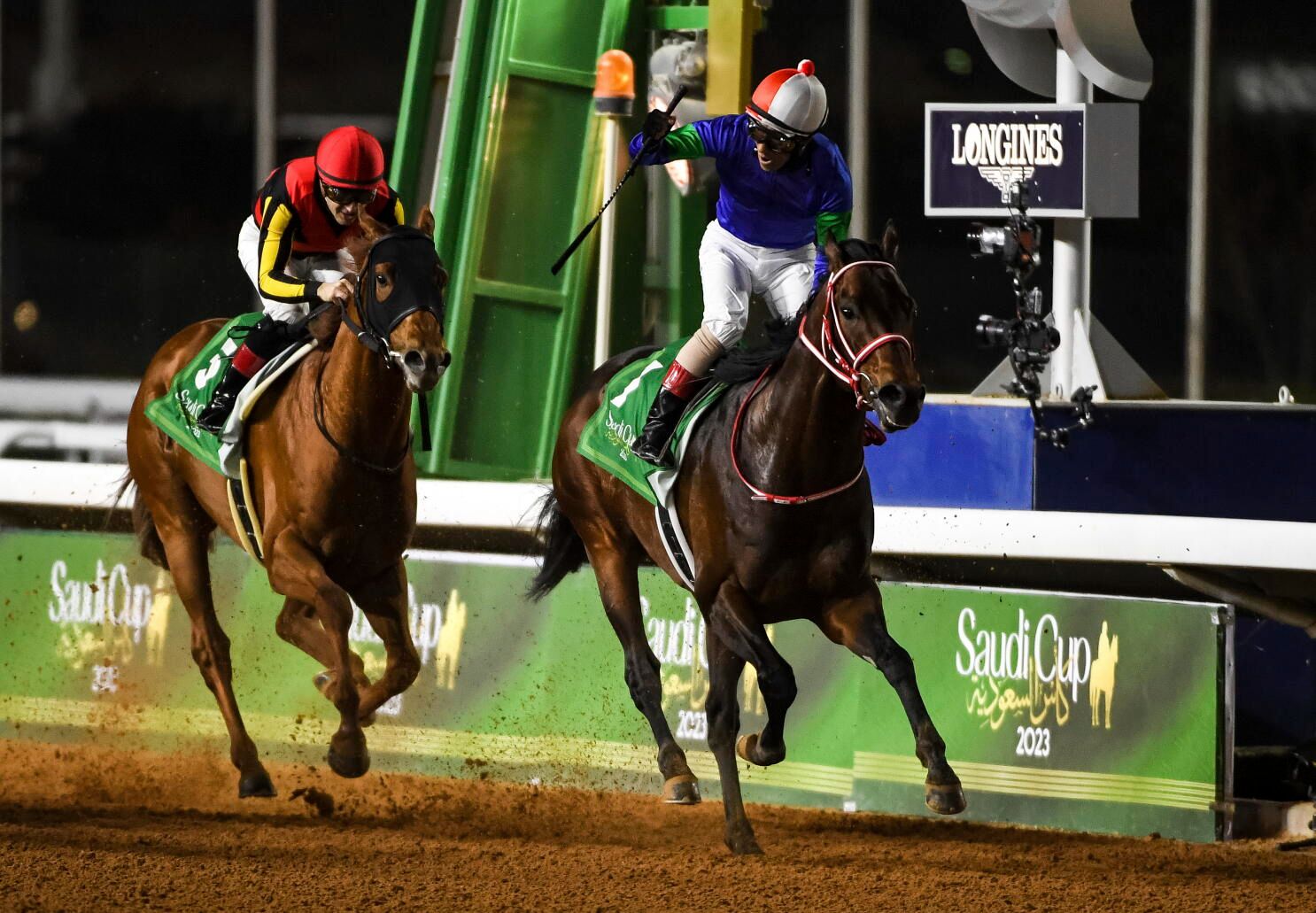
One race on the card is for purebred Arabians, and it is the one worth understanding.
Every thoroughbred alive descends in the male line from three Arabian stallions taken to England around three hundred years ago. The breed that built the sport is rarely raced at its highest level anywhere. Here it is, on the ground it came from.
Racing in the kingdom is older than the track. King Abdulaziz raced with his sons at Malez, which now lies under central Riyadh. The first official race was run in 1965 and the present course opened in 2002.
What to Know
Two days. Friday holds the International Jockey Challenge, with fourteen of the world’s riders. Saturday holds everything else.
General admission sells out, and Riyadh hotels price accordingly. Take both a long way ahead.
The course is twenty to thirty minutes from the airport.
Jockeys who have ridden it say the sand is finer than most dirt and throws back less, which is why turf horses handle it better than they ought to.
The mistake is going only for the main race. It is the last of eight, and the card in front of it is the best assembled anywhere in a single afternoon.
The Court
The Saudi Cup is not the Court’s own. Boxes, entry to the enclosures and rooms in Riyadh are sought on a member’s behalf, and the Court arranges the whole of it: getting there, where to stay, and the table afterward.
