

INDIAN WELLS
March · Indian Wells Tennis Garden · A Fortnight · Since 1974
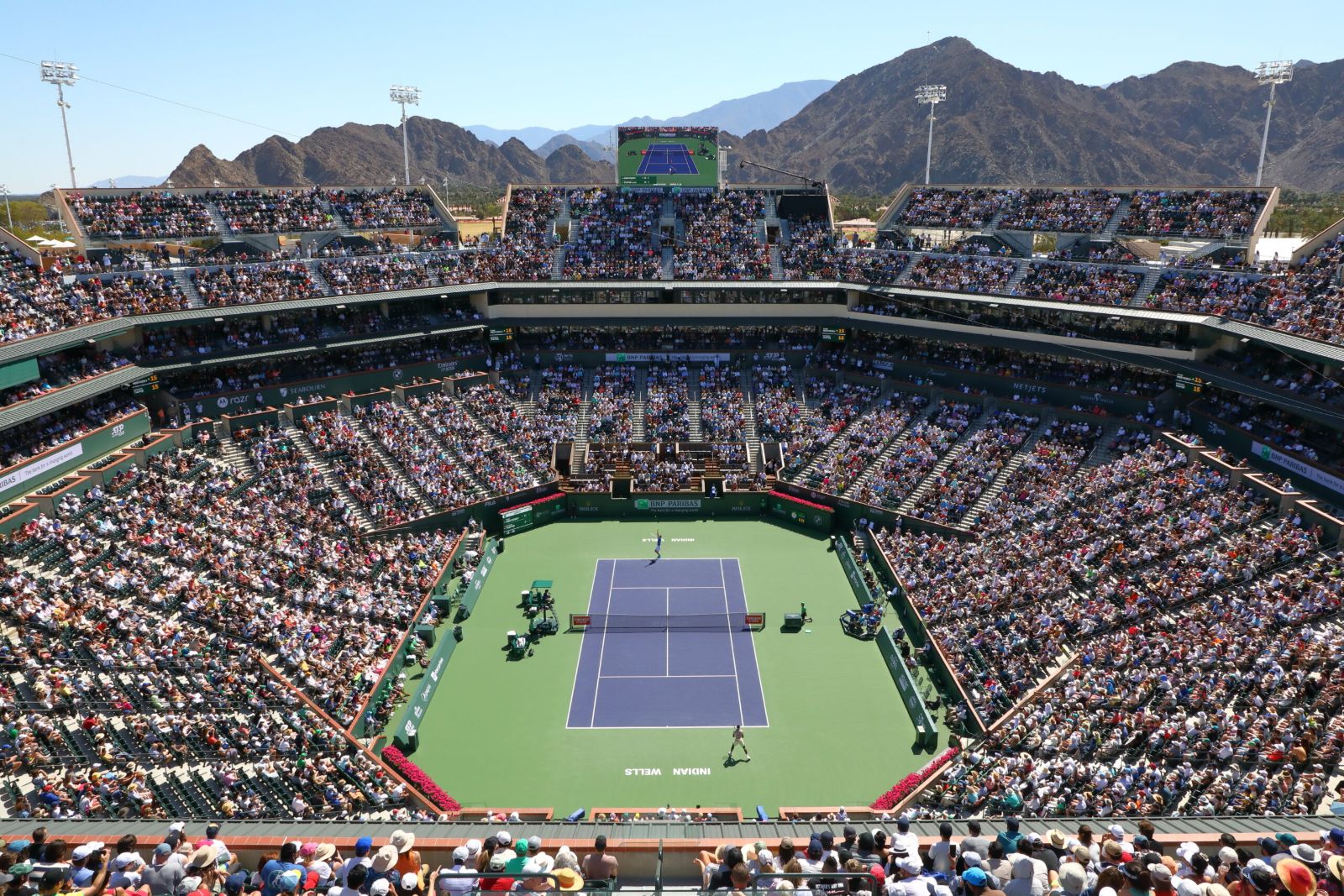
Indian Wells is a fortnight of tennis in the Californian desert in March, and the best-attended tournament in the world that is not a Grand Slam. Men and women play the same draw, at the same site, for the same money, which only a handful of tournaments in the year manage.
It is played on eighty-eight acres of what used to be sand.
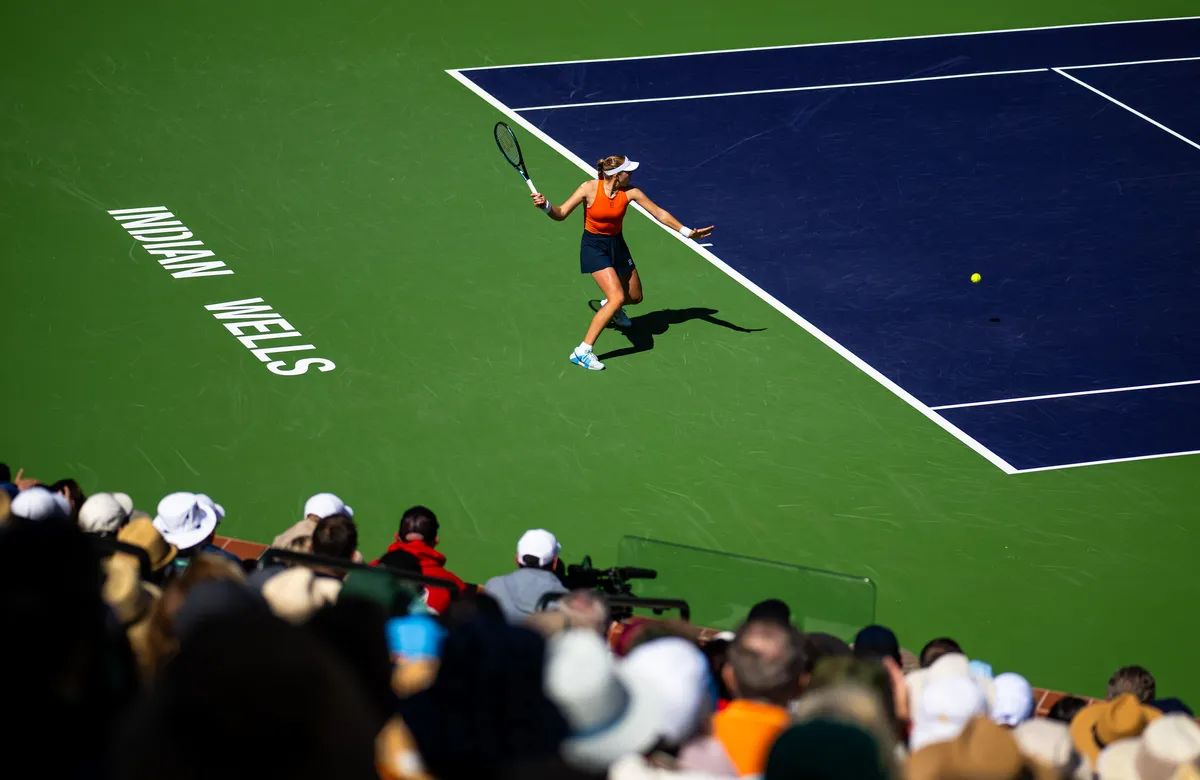
The Desert
Two former professionals started it in 1974 at a country club in Rancho Mirage. Charlie Pasarell had been the American number one and a founding member of the players’ association. Raymond Moore had come from South Africa. The prize fund was two hundred thousand dollars and Jimmy Connors won it.
Then it moved, repeatedly. A flood in 1980 forced it out, and La Quinta built a seven-thousand-seat stadium in under ten weeks to take it in. It moved again in 1987 to a resort at Indian Wells, and again in 2000 to a site the founders built for themselves.
That last move was the gamble. Every other major tournament in the world sits in a city. Paris, London, New York, Melbourne. Pasarell and Moore bought eighty-eight acres of desert between Palm Springs and nothing, and spent seventy-seven million dollars on the assumption that people would drive out to it.
They were right. The main court is now the second largest tennis stadium on earth, behind only Arthur Ashe in New York.
The Purple
The courts are violet, and the reason is optical. Purple sits opposite yellow on the colour wheel, a hundred and eighty degrees away, which makes a tennis ball easier to follow against it than against any other surface. Indian Wells was the first tournament to use it and the colour has spread since.
The same instinct runs through the place. It was the first tournament anywhere to put electronic line-calling on every match court rather than only on the show courts.
The money behind that belongs to one man. In 2009 an approach came from Qatar to buy the tournament and move it out of the desert. Pasarell would not have it. Moore knew Larry Ellison, who played tennis and had built Oracle, and put the idea to him instead. Ellison bought the tournament and the site together, and has been spending on both since.
Which makes this the rarest thing in professional sport: a major tournament owned outright by a person rather than by a federation.
What to Know
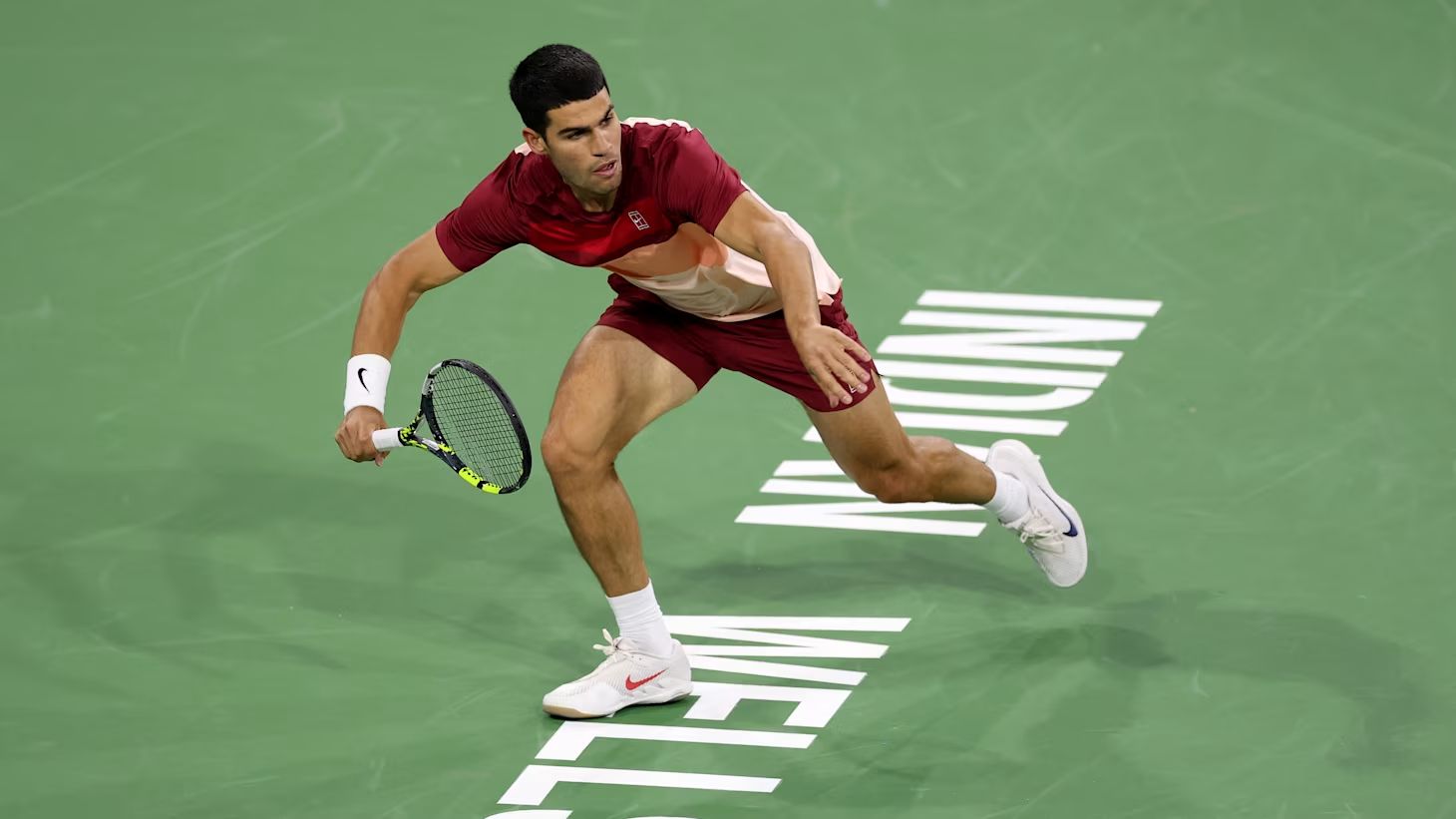
A grounds pass is the best value in tennis. Twenty-nine courts, and in the first week the top fifty are practising on all of them, a few feet from whoever is standing at the fence.
March in the Coachella Valley is eighty degrees and dry, with the Santa Rosa mountains on three sides. The evenings drop sharply and the stadium gets cold.
Both draws run together, so a single ticket buys the men’s tournament and the women’s. Very few events offer that.
The first week is the better week. Larger draws, smaller crowds, and the qualifying rounds cost nothing.
The Court
Indian Wells is not the Court’s own. Boxes, grounds passes and rooms across the valley are sought on a member’s behalf, and the Court arranges the whole of it: getting there, where to stay, and the table afterward. Palm Springs is twenty minutes away and holds most of the houses.
