
THE MONTE-CARLO MASTERS
Early April · Monte-Carlo Country Club · A Week · Since 1897
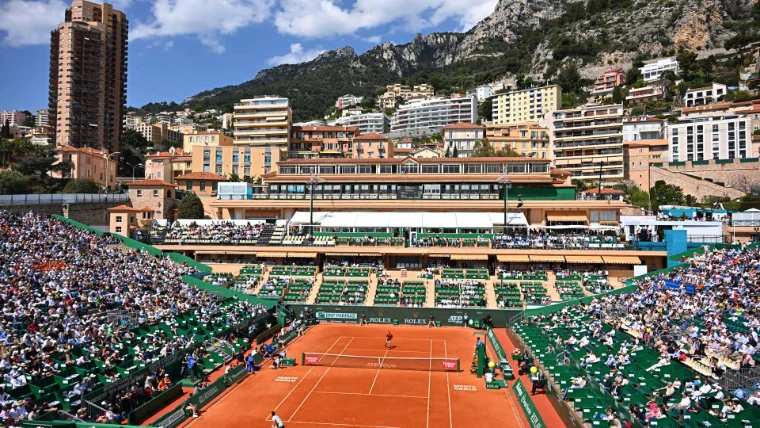
The Monte-Carlo Masters is the first of the spring’s great clay-court tournaments on the road to Paris, played on terraces cut into the slope above the Mediterranean.
It carries Monaco’s name and is played in France. The club stands just over the border, in Roquebrune-Cap-Martin.
The Jewel
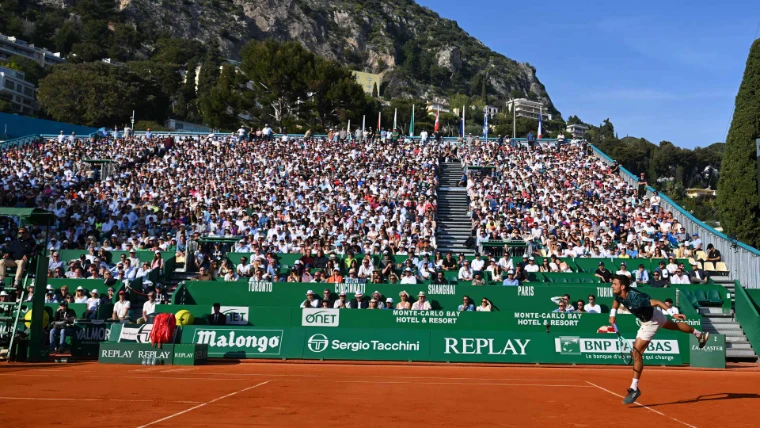
Tennis came to Monaco with the casino. The first courts were laid in 1893, on top of the cellars of the Hôtel de Paris, and the first tournament was played on them in 1897, when few competitions anywhere admitted players from abroad.
The club moved twice in the next thirty years, the second time onto the roof of a garage in Beausoleil. When Suzanne Lenglen, the greatest player in the world, came back to play there in 1925, an American admirer of hers named George Pierce Butler decided it would not do. She deserved, he said, a jewel, not the roof of a garage.
There was no room for a jewel in Monaco. The Société des Bains de Mer, which ran the casino, bought land on the slope just across the French border, and the architect Charles Letrosne cut it into terraces: two or three courts to each, divided by flowerbeds and cypresses, joined by walks shaded beneath arches. Prince Louis II opened it in February 1928, with the King of Sweden, a devoted player, among the guests.
The war left it damaged. Butler’s daughter Georgia, a player herself, paid for much of the repair.
The Clay
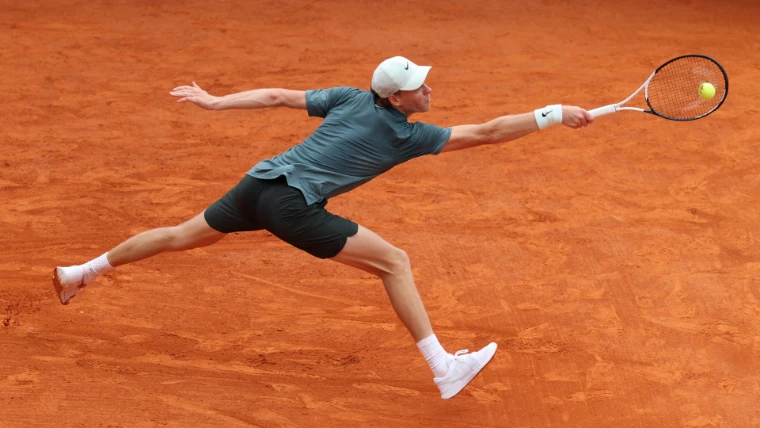
A clay court is crushed brick laid over stone. The ball grips it, slows and kicks up, and a point that would be over in three shots on grass goes to fifteen. Players slide into their shots, and the one who can wait usually wins.
The European season on clay runs from here to Roland Garros in Paris, and Monte-Carlo is the first of its great tournaments. Form here is read as a forecast.
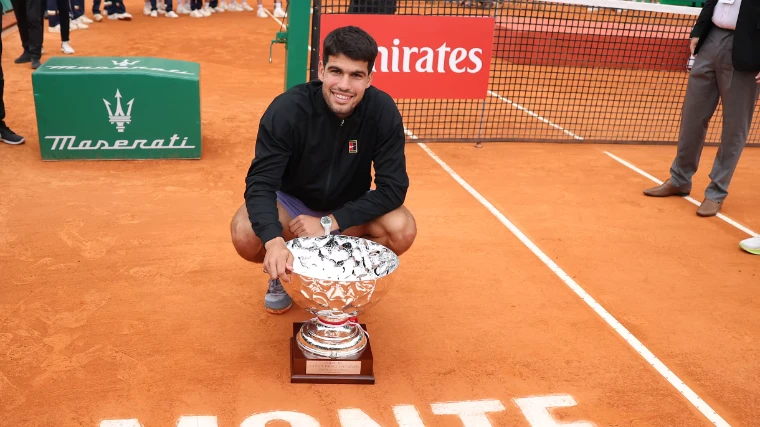
Rafael Nadal won it eleven times, eight of them in succession.
Many of the players live a few minutes away in Monaco and train at the club the rest of the year. It is one of the few tournaments they can sleep at home for.
What to Know
The main court is Court Rainier III, set so that the players have the sea behind them. It is small by the standards of the game, and the outer courts on the terraces below are close enough to hear the players talking to themselves.
The first days are the ones to wander. The draw is full, the outer courts are busy, and the best players in the world can be watched from a few feet away. The final weekend belongs to the centre court.
April on the Riviera is warm in the sun and cool in the shade of the terraces, and the wind can come up off the sea by afternoon.
It falls between Le Bal de la Rose in March and the Grand Prix in June, and a member so inclined can take all three.

The Court
The Monte-Carlo Masters is not the Court’s own. Seats on Court Rainier III and a box for the final weekend are sought on a member’s behalf, and the Court arranges the whole of the week: getting there, where to stay, in Monaco or along the coast, and the table afterward.
How one becomes a member is set out under Admission.
Set down September MMXXVI