

THE AUSTRALIAN OPEN
Mid to Late January · Melbourne Park · A Fortnight · Since 1905
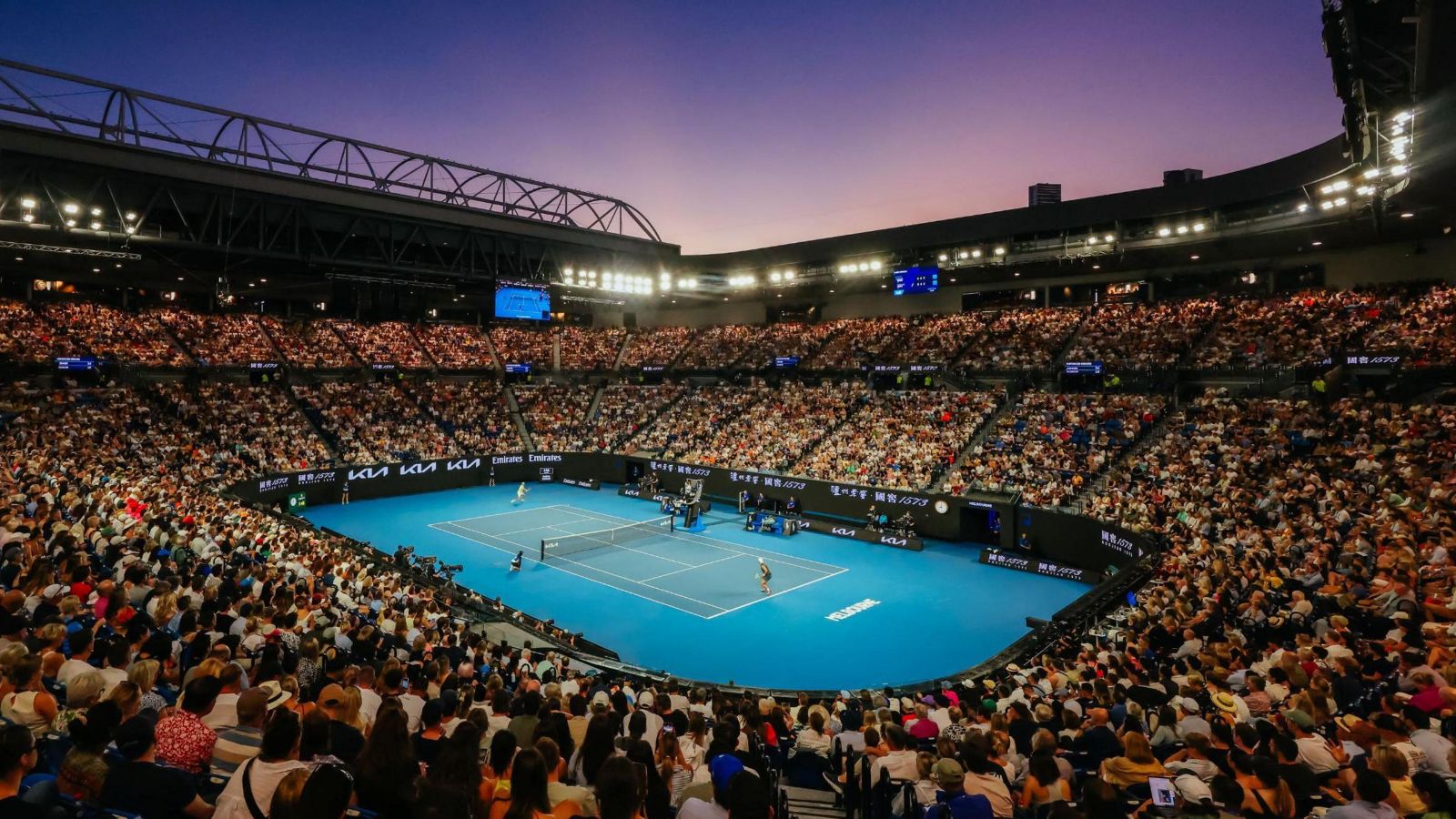
The Australian Open is the first of the four majors and the least formal of them. A fortnight of tennis in Melbourne in the middle of the southern summer, played on hard courts under three roofs, in front of some eight hundred thousand people.
It is called the Happy Slam, and the name is descriptive rather than promotional. Nobody here is wearing morning dress.

The History
The first was played in 1905 at a cricket ground in Melbourne, and for most of a century it was the major nobody came to. In the 1920s the boat from Europe took forty-five days each way, which meant a European player surrendered three months of his life to enter it. Most did not.
It moved constantly in those years: Melbourne, Sydney, Adelaide, Brisbane, Perth, and twice across to New Zealand. In 1909 it was played at Perth Zoo.
Kooyong took it permanently in 1972, on grass, and by the 1980s the tournament was drifting toward irrelevance. The last grass final was played there in 1987 in front of a record crowd, and the following January the whole thing moved to a purpose-built hard-court site beside the river. Attendance rose ninety per cent in a year.
The Heat
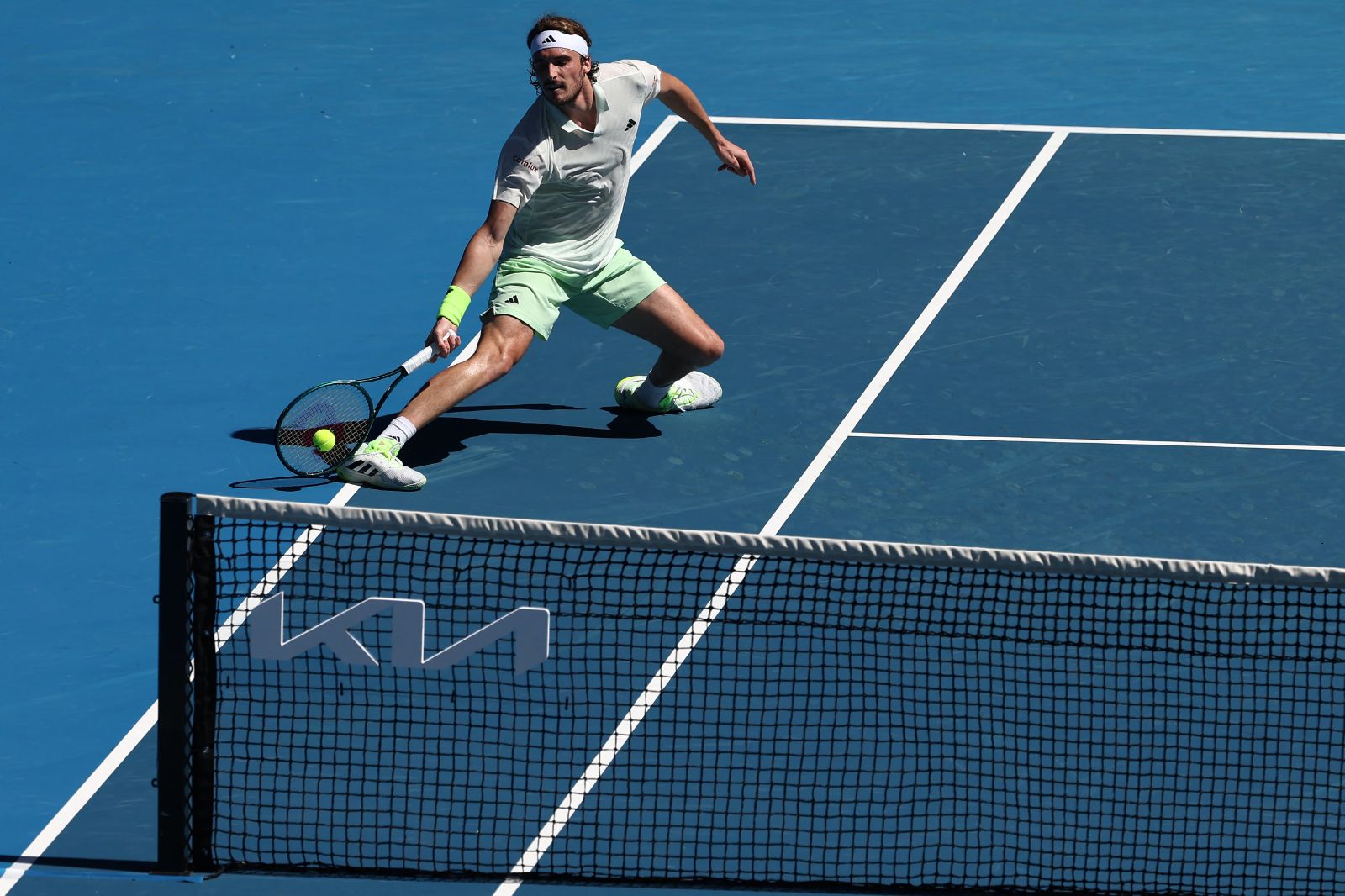
January in Melbourne reaches forty degrees, and the tournament has an extreme heat policy that suspends play when it does.
It was the first major to roof its centre court, and there are three roofs now. Which makes the Australian Open the only one of the four that cannot be rained off, and the only one where a final is certain to be played on the day it was scheduled.
The trade is that a roof changes the game. Indoors the ball moves faster and the conditions stop varying, so a match that starts outdoors in the sun can finish under lights as a different contest between the same two people.
What to Know
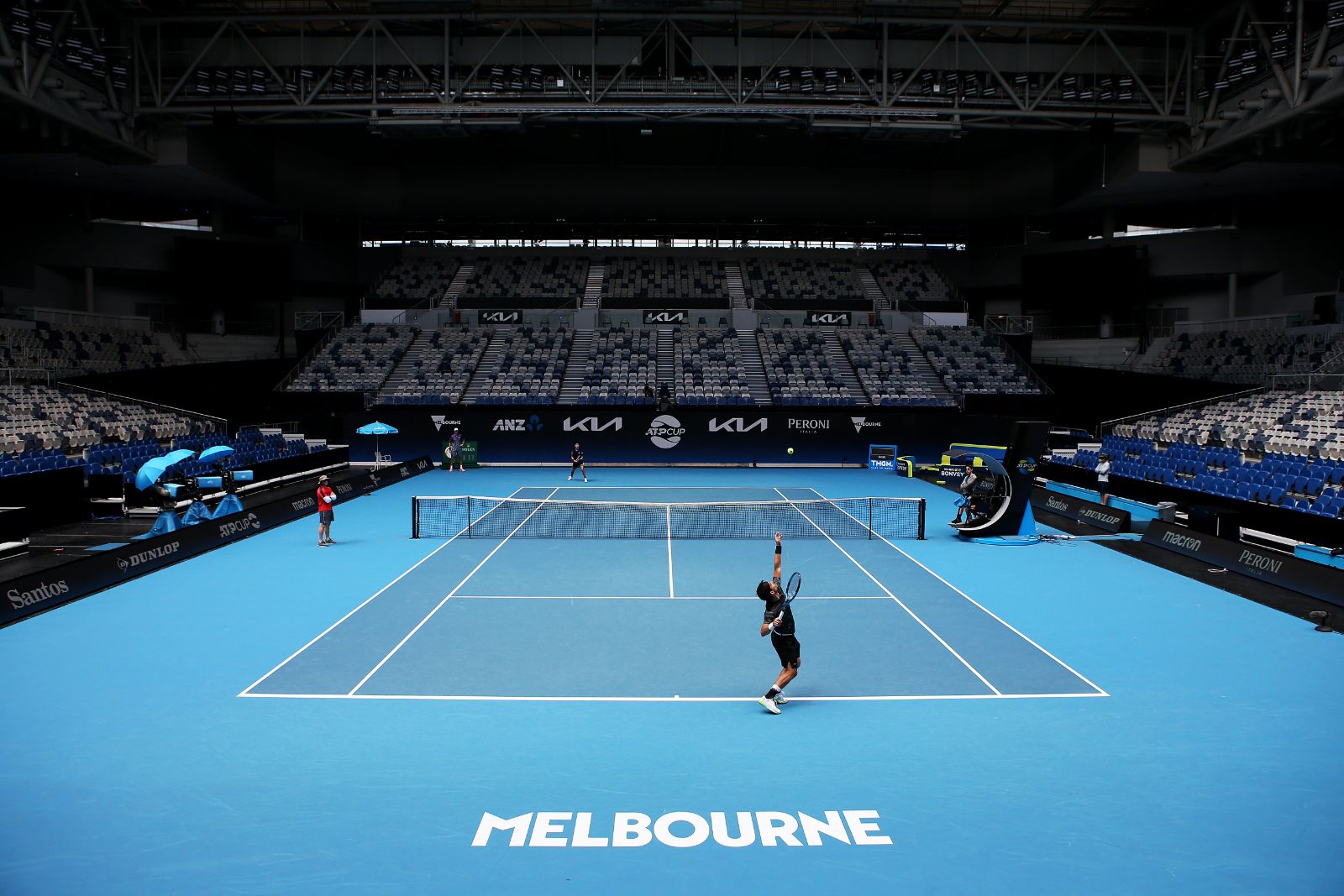
A ground pass admits you everywhere except the three main arenas, and the outside courts in the first week are the best tennis-watching in the sport. You stand a few feet from players ranked inside the world’s top fifty.
Night sessions in Rod Laver are what people want. Day sessions are hotter, cheaper and emptier.
The first week is for the tennis. The second is for the occasion.
Dress for heat. There is no code and the sun is genuinely dangerous.
The mistake is buying a centre court seat for the first Tuesday. You will watch two one-sided matches from a hundred feet away. For the same money you could spend the day two metres from six of them.
The Court
The Australian Open is not the Court’s own. Seats in Rod Laver, ground passes and the rooms behind them are sought on a member’s behalf, and the Court arranges the whole of it: getting there, where to stay, and the table afterward. Melbourne fills for the fortnight and the rooms near the park are taken early.
