THE GLORIOUS TWELFTH
12 August · The Moors of Northern England and Scotland · One Day · Since 1831
2027: 12 August
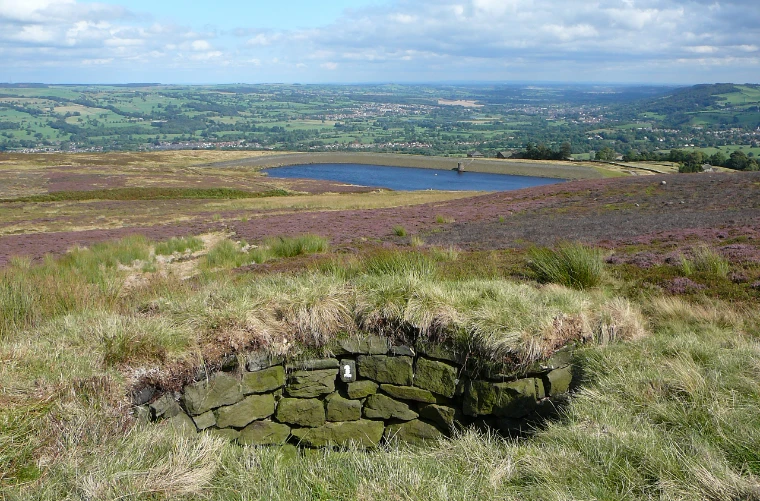
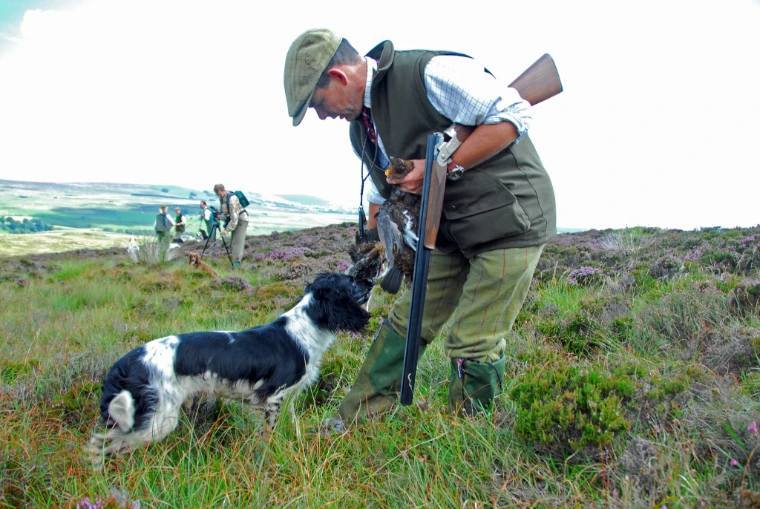
The Glorious Twelfth is 12 August, the first day of the red grouse season, when shooting opens on the heather moors of northern England and of southern and eastern Scotland: on a driven day a team of eight or nine Guns stands in a line of butts, low hides of stone or turf sunk into the hillside, while a line of beaters works a large block of moor towards them, four or five times in the day, with lunch on the hill. It is called glorious because it opens the sporting year.
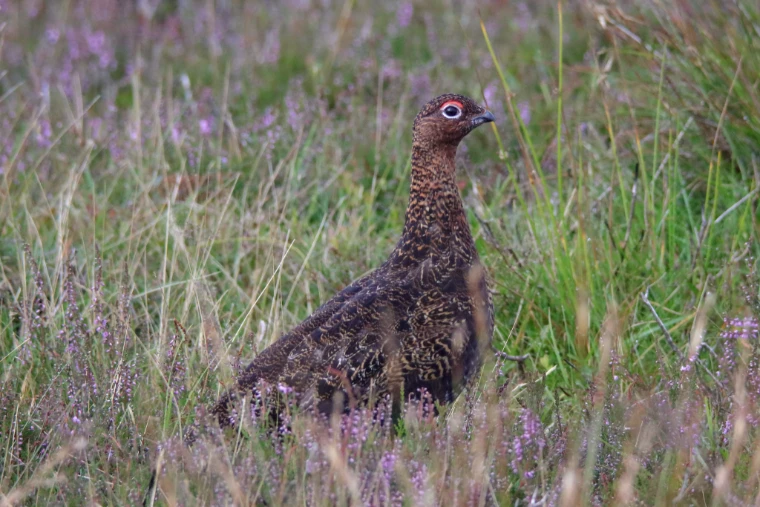
Red grouse cannot be reared and released. Every bird that crosses the butts was bred wild on the heather, and the bird is found nowhere but the British Isles.
The Act
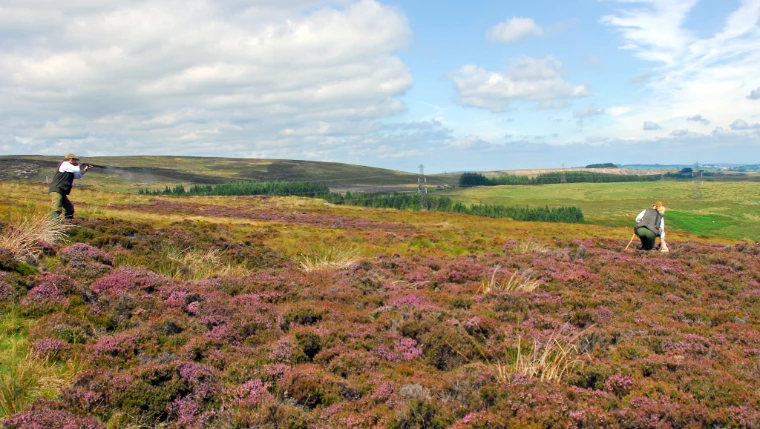
The date is older than the law that now holds it. The Game Act of 1773 forbade the sale of red grouse, “red-game”, before 12 August, effectively starting the season on that day. The Game Act of 1831 set close seasons for game birds, created game licences and gamekeepers, and opened the season for “Moor Game” on 12 August and for black grouse on the 20th, both to close on 10 December. No game may be taken under it on a Sunday or on Christmas Day.
That Act reaches England and Wales only. Scotland keeps the same season, from 12 August to 10 December, and Northern Ireland closes on 30 November under its own Order of 1985. Most other game waits until 1 September, and pheasant and woodcock until 1 October.
Driven grouse first appeared around 1850. It took hold among the rich in the late Victorian years, made possible by the railways reaching the uplands and by the breech-loading shotgun. Grouse moors now cover some 16,763 square kilometres, about eight per cent of England and Scotland together, and The Spectator called them in 2008 “the ultimate trophy asset”.
The day has its race in town. Restaurants compete to serve the first young grouse before the Twelfth is out: “The race was once run on rails, and the genuinely hungry would sit through the night at King’s Cross waiting for the sleeper down from Scotland.” In 2024 the journalist Harry Cole found no restaurant in London serving grouse that night, “ending a tradition that stretches back to the 1870s”, after a breeding season The Telegraph called “unusually cold”. Opponents of the sport call it the “inglorious 12th”, and since the 2024 season every grouse moor in Scotland has needed a licence.
The Drive
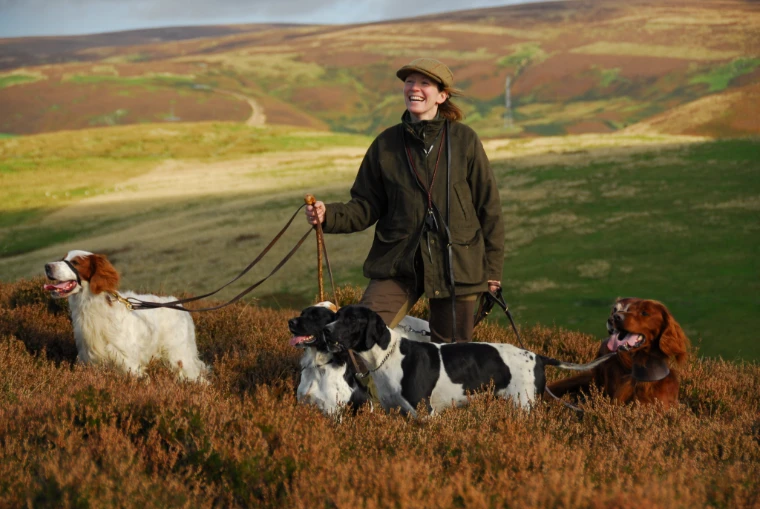
Grouse are shot in three ways. Walked-up, the Guns advance in a line and flush the birds, which is more demanding and gives a smaller bag. Over pointers, “the dog quarters the moor, finds grouse by scent and holds them on point until the Guns walk in”. Driven, the birds are brought over the butts by the beaters, and this is the Twelfth as the Court keeps it.
A drive lasts twenty to forty minutes. Sticks on each side of the butt mark the safe arc, and a loader behind the Gun allows two guns, so that “each empty gun comes off the shoulder and returns loaded”. The birds come low and fast, at up to a hundred and thirty kilometres an hour. “The first horn tells the line that the beaters are close and that all shooting in front must stop. From that point you take birds behind only.” After each drive the pickers-up and their dogs gather the birds. A day employs some fifty people as beaters, flankers, loaders and pickers-up, and every Gun goes home with a brace.
Not every moor shoots on the day: some begin on the Twelfth, others much later in the season, according to how the birds have bred. When the 12th is a Sunday, England and Wales open on the 13th, as in 2007. Scotland has no such statute, but it is not customary to shoot on a Sunday there, and in Northern Ireland it is an offence.
The Twelfth of 2026 was a Wednesday. Spring counts found breeding densities still low across northern England and Scotland after the cold of 2024, but by July many moors in the north of England showed brood averages above seven, often as high as eight and nine, and the sporting agent Mark Osborne expected “good numbers of grouse on many Pennine moors” while the Highlands would be “rather lean”. The Countryside Alliance expected a better season than either of the two before it. The Angus Glens, the Southern Uplands and the Lammermuirs expected good days, and that night the Jugged Hare, the Hawthorn, the Cinnamon Club and the Shed served grouse in London.
What to Know
It falls on 12 August every year, or on the 13th in England and Wales when the 12th is a Sunday: in 2027, on 12 August. The season runs on to 10 December, and many moors shoot later.
There are no tickets. Days are let by sporting agents and estates, a whole line of eight or nine Guns or a single place in a line, and priced by the brace shot: £190 to £220 plus VAT a brace, so that a day of a hundred brace comes to some twenty thousand pounds before gratuities, cartridges, accommodation and fuel. The opening days go first; in 2026 one Yorkshire agent’s days for the opening week were sold out.
Country attire. Nothing is published, since no one holds the day; the custom is tweed in muted, natural colours, greens and browns, breeks with gaiters, laced boots, a tweed cap and a tie. Nothing white or bright, because grouse have exceptional eyesight. Ear defenders are essential. The Court wears a tie.
The Scottish moors are reached from Edinburgh, Glasgow or Inverness, some within forty-five minutes of the airport; Yorkshire is four hours from London by road at the very best. Stay on the estate, in its lodge or house, or in a hotel near the moor.
The mistake is to swing through the line. The birds come low between the butts, and a swing that would be safe on a high pheasant can put shot down a neighbouring butt. If a shot is not certainly safe, it is left.
The Court
The Glorious Twelfth is not the Court’s own. A day’s driven grouse, or a place in a line, is sought on a member’s behalf through a sporting agent or an estate, and the Court arranges the whole of it: getting there, where to stay on the estate or near the moor, and the table afterward. The Court is at York for the Ebor later in the month.
How one becomes a member is set out under Admission.
Set down October MMXXVI